



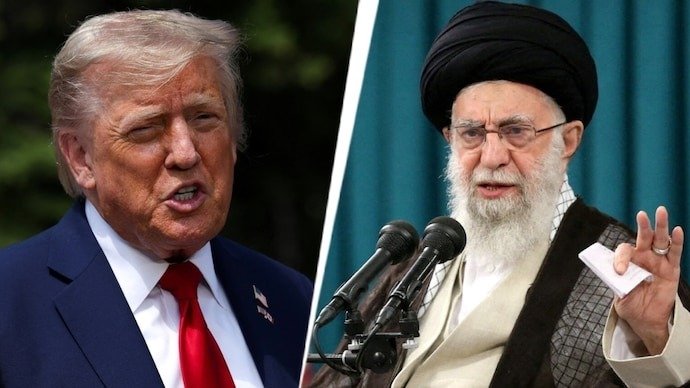
MUNICH (Feb 15, 2026) — In a major shift in diplomatic tone, U.S. Secretary of State Marco Rubio stated that President Donald Trump is willing to meet with Iran’s Supreme Leader, Ayatollah Ali Khamenei, to broker a new deal.
Speaking at the Munich Security Conference, Rubio emphasized that while the President does not agree with the Ayatollah, he believes direct interaction is the only way to “solve problems in the world.”
Key Takeaways from Rubio’s Message
-
The Iran Offer: Rubio told Bloomberg that if the Ayatollah expressed a desire to meet tomorrow, “the president would meet him.” This comes despite heightened tensions and the recent deployment of a second U.S. aircraft carrier to the Middle East.
-
A “Civilizational” Alliance: Rubio called on European leaders to return to shared Western traditions—citing everything from the Christian faith to the Rolling Stones—while warning against the “managed decline” of the West.
-
Shifting War Aims: Regarding the Russia-Ukraine conflict, Rubio suggested that Vladimir Putin’s goals have narrowed, claiming the Russian leader now primarily seeks to consolidate control over the remaining 20% of the Donetsk region.
European Reaction: Relief and Skepticism
Rubio’s speech was notably more diplomatic than Vice President JD Vance’s “combative” remarks from the previous year, though he stood by the administration’s nationalist “America First” core.
-
German Response: Chancellor Friedrich Merz noted that the transatlantic relationship must evolve but warned against a return to “great power politics.”
-
EU Caution: European Commission President Ursula von der Leyen admitted feeling some reassurance but warned that “some lines have been crossed that cannot be uncrossed.”
-
UK Perspective: Prime Minister Keir Starmer urged Europe to avoid a “warm bath of complacency” regarding its own defense.