



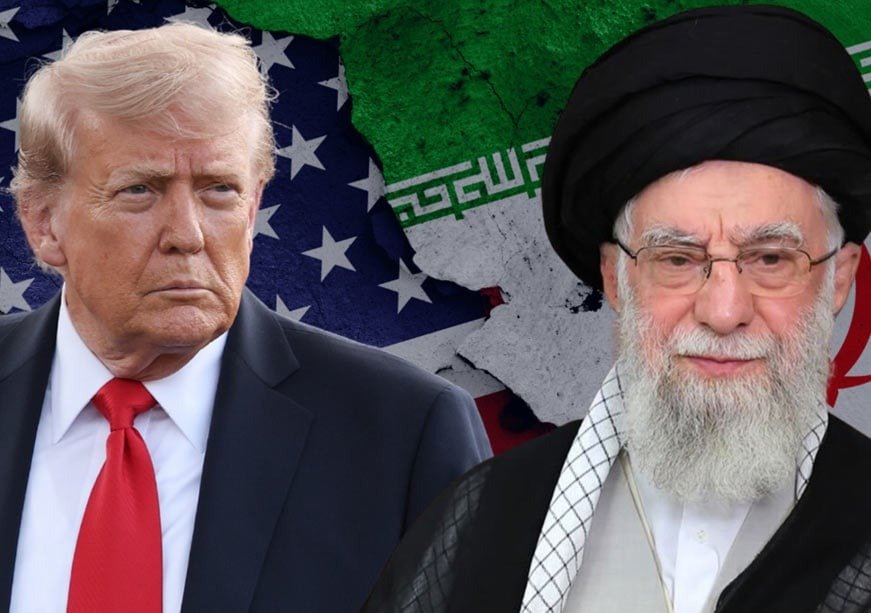
NEW DELHI (Feb 19, 2026) — The United States has assembled its most formidable concentration of air power in the Middle East since the 2003 Iraq invasion. As President Donald Trump weighs a potential strike against Tehran, a massive fleet of F-22 Raptors, F-35 Lightnings, and two aircraft carrier strike groups have moved into position, signaling that “time is running out” for a diplomatic breakthrough.
The Massive Buildup
Military analysts describe the current deployment as a “weeks-long operation” force rather than a one-off strike:
-
Stealth Dominance: Dozens of F-35 and F-22 stealth fighters have arrived at bases in Jordan and Saudi Arabia, supported by F-15s, F-16s, and advanced command-and-control aircraft like the E-3 Sentry.
-
Naval Might: The USS Abraham Lincoln is already on station, with the world’s largest carrier, the USS Gerald R. Ford, currently steaming toward the region.
-
Objective: While initially a response to Iran’s crackdown on domestic protesters, the mission has shifted toward dismantling Iran’s nuclear enrichment and ballistic missile programs.
Diplomacy on the Brink
Despite the military pressure, indirect talks continue in Geneva:
-
Status: Negotiators report “a little bit of progress” on general guiding principles, but the White House maintains that both sides remain “very far apart” on core issues like zero-enrichment.
-
The Deadline: Trump has hinted that military action could be authorized as early as this weekend if Iran fails to provide a detailed, acceptable proposal within the next fortnight.
Iran’s Response
Tehran has reacted by placing its military on “all-out war” footing:
-
Asymmetric Threats: Iran has threatened to close the Strait of Hormuz and target U.S. bases across the region if attacked.
-
Defiance: Supreme Leader Ali Khamenei recently rejected demands to halt uranium enrichment, calling the nuclear industry a “civil right.”