



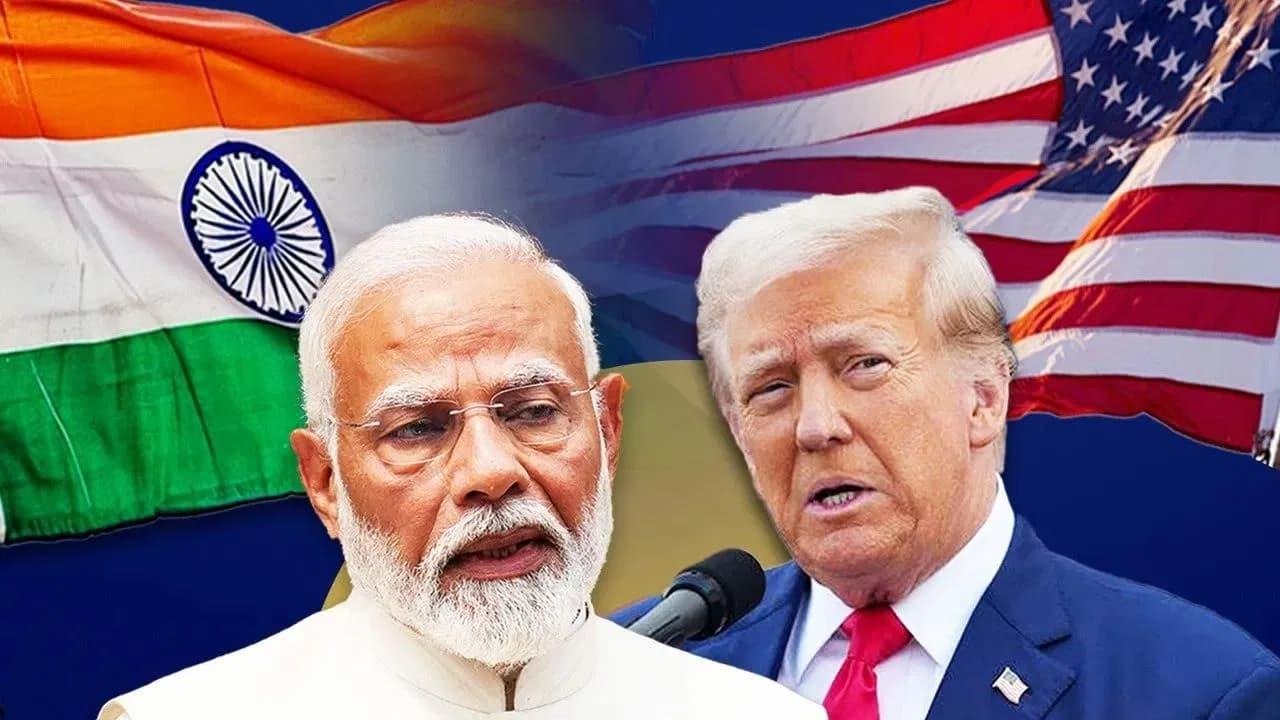
WASHINGTON D.C. (Feb 21, 2026) — In a swift pivot following a major legal defeat, U.S. President Donald Trump has signed a new executive order imposing a 10% global tariff on all imports, directly impacting Indian goods just as a specialized trade deal was being finalized.
The Supreme Court Ruling
On Friday, the U.S. Supreme Court delivered a landmark 6–3 ruling striking down the President’s previous sweeping tariffs.
-
Overstepped Authority: Chief Justice John Roberts wrote that Trump exceeded his powers by using the International Emergency Economic Powers Act (IEEPA) to levy taxes without Congressional approval.
-
Legal Blow: The decision invalidated billions in “reciprocal” tariffs, potentially forcing the U.S. government to refund up to $175 billion in collected revenue.
Trump’s “Backup Plan”
Refusing to back down, the President immediately invoked Section 122 of the Trade Act of 1974 to reinstate a baseline 10% duty.
-
The Loophole: Unlike the previous law, Section 122 allows the President to address “balance-of-payments” problems with a temporary 150-day surcharge of up to 15%.
-
Effective Date: The new 10% tariff takes effect on February 24, 2026.
Impact on the India-US Deal
The ruling has created significant confusion regarding the recently negotiated India-US interim trade agreement.
-
From 18% to 10%? Before the court ruling, an executive order was expected to lower India’s specific tariff rate from 25% to 18%. Since that order was not released before the court’s intervention, Indian exports will now fall under the new 10% global surcharge.
-
Trump’s Stance: During a White House briefing, Trump maintained that “the deal with India is on,” but insisted that India must pay.
“Prime Minister Modi is a great man, but he was ripping us off. We made a deal… we are not paying tariffs. They are paying tariffs.” — Donald Trump