



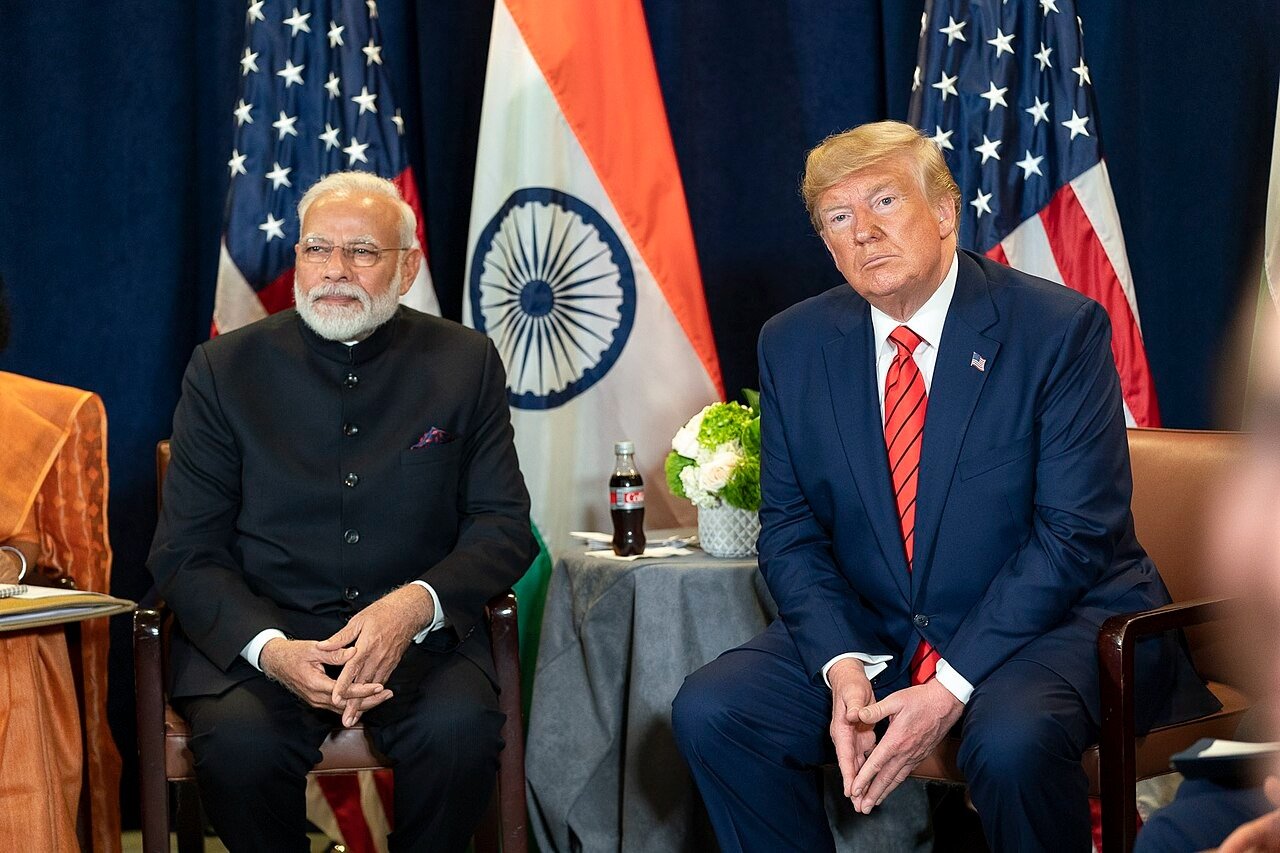
NEW DELHI — In a candid assessment of American diplomacy, former Australian Prime Minister Tony Abbott identified the “gratuitous alienation” of India as a primary failure of U.S. President Donald Trump’s foreign policy.
Speaking to NDTV, Abbott criticized the administration’s handling of New Delhi, citing three specific actions that strained the bilateral relationship before a recent trade breakthrough in February 2026.
Three Points of Friction
Abbott outlined a “triple-threat” of diplomatic missteps that he believes damaged the Indo-U.S. partnership:
-
Punitive Trade Tariffs: The imposition of 25% reciprocal tariffs and additional levies linked to India’s purchase of Russian oil.
-
Kashmir Mediation Claims: Trump’s assertions regarding “settling” the long-standing dispute between India and Pakistan, a sensitive red line for Indian sovereignty.
-
Engagement with Pakistan: Hosting Pakistani Armed Forces Chief Asim Munir at the White House, despite Pakistan’s history of sponsoring intermittent terrorism against India.
The February Reversal
While critical of previous friction, Abbott noted that a recent trade agreement has begun to thaw relations. President Trump recently reduced tariffs following a commitment from Prime Minister Narendra Modi to halt oil purchases from Moscow.
The deal aims to restore the “close personal ties” between the two leaders, though Abbott’s remarks suggest significant repair work remains for the broader strategic alliance.
Middle East Volatility and the “Defanged” Tehran
Shifting to the conflict in the Middle East, Abbott commented on the potential for regime change in Iran and the current state of its military capabilities:
-
Nuclear Setbacks: Abbott claims Iran’s nuclear program has been “set back by decades” due to recent operations.
-
Precision Strikes: He credited U.S. and Israeli forces for targeting “regime facilities” while sparing Iran’s economic and social infrastructure.
-
The Iranian Regime: Abbott cautioned against underestimating the regime’s hold on its population but suggested that any surviving government would be a “defanged Islamist theocracy” lacking its previous means of aggression.
The interview concluded as tensions remained high, with fresh reports of Iranian drone and missile attacks targeting Israel and several Gulf states hosting U.S. military bases.