



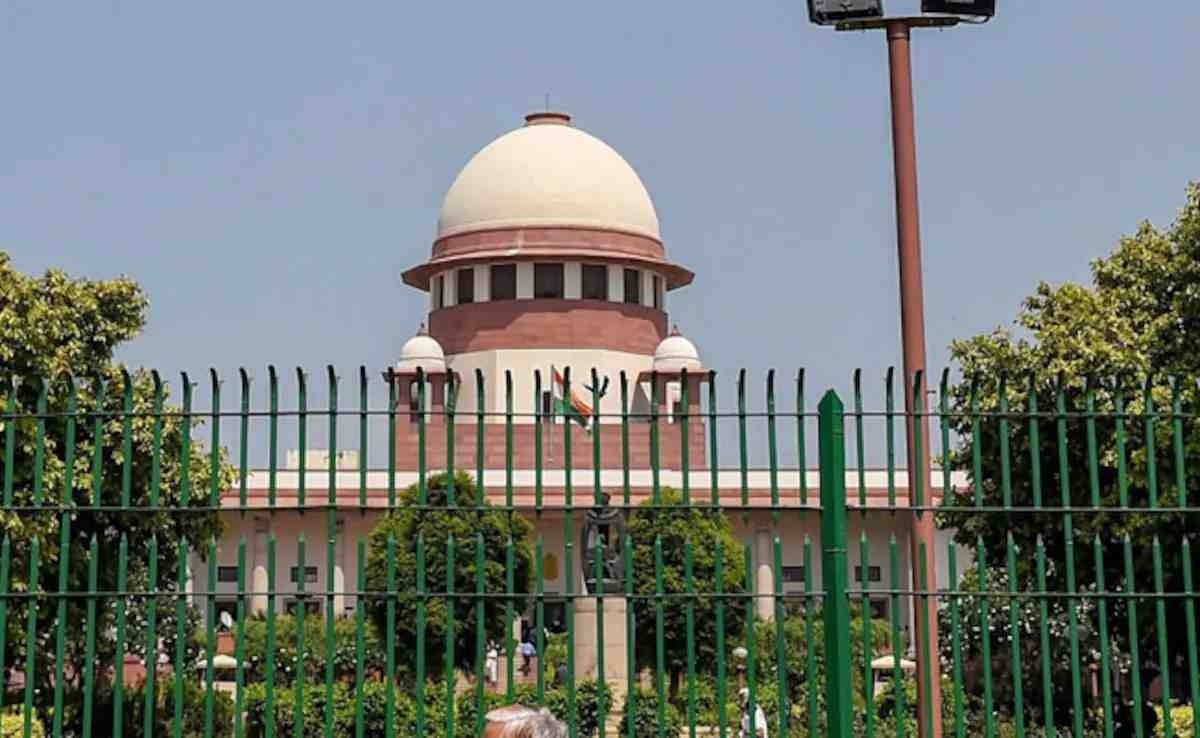
NEW DELHI — The Supreme Court on Wednesday issued a stern reminder to the West Bengal government, stating that litigants cannot dictate the judiciary’s timetable. The observation came during a hearing involving the Enforcement Directorate’s (ED) allegations of high-level state interference during raids on political consultancy firm I-PAC.
The Core Allegations
The central probe agency has filed a writ petition alleging a “gross abuse of power” by the Bengal administration:
-
The Incident: The ED claims that during money laundering raids at I-PAC offices in January, Chief Minister Mamata Banerjee entered the premises with her Z-plus security.
-
Interference: The agency alleges the Chief Minister disrupted lawful proceedings and “forcibly retrieved incriminating material,” hindering the financial crimes investigation.
-
I-PAC’s Role: I-PAC (Indian Political Action Committee) is the primary political consultancy firm for the ruling Trinamool Congress (TMC).
Courtroom Exchange
The hearing saw a sharp exchange between senior counsel and the bench regarding a request for more time:
-
State’s Plea: Senior advocates Shyam Divan and Menaka Guruswamy, representing Bengal, sought an extension to respond to the ED’s latest affidavit, claiming “new allegations” left them feeling “handicapped.”
-
ED’s Opposition: Solicitor General Tushar Mehta opposed the delay, labeling it a “stalling tactic.” He noted the affidavit was filed on February 19 and the rejoinder had been available for 10 days.
-
Judicial Observation: Refusing the adjournment, the Court remarked that the proceedings are not a “contest over securing an adjournment” and clarified that the state cannot set the pace for judicial hearings.
What’s Next?
The Court has decided to proceed with the hearing despite the state’s objections. The outcome of this case could set a significant precedent regarding the boundaries of state authority versus central investigative powers during active raids.