



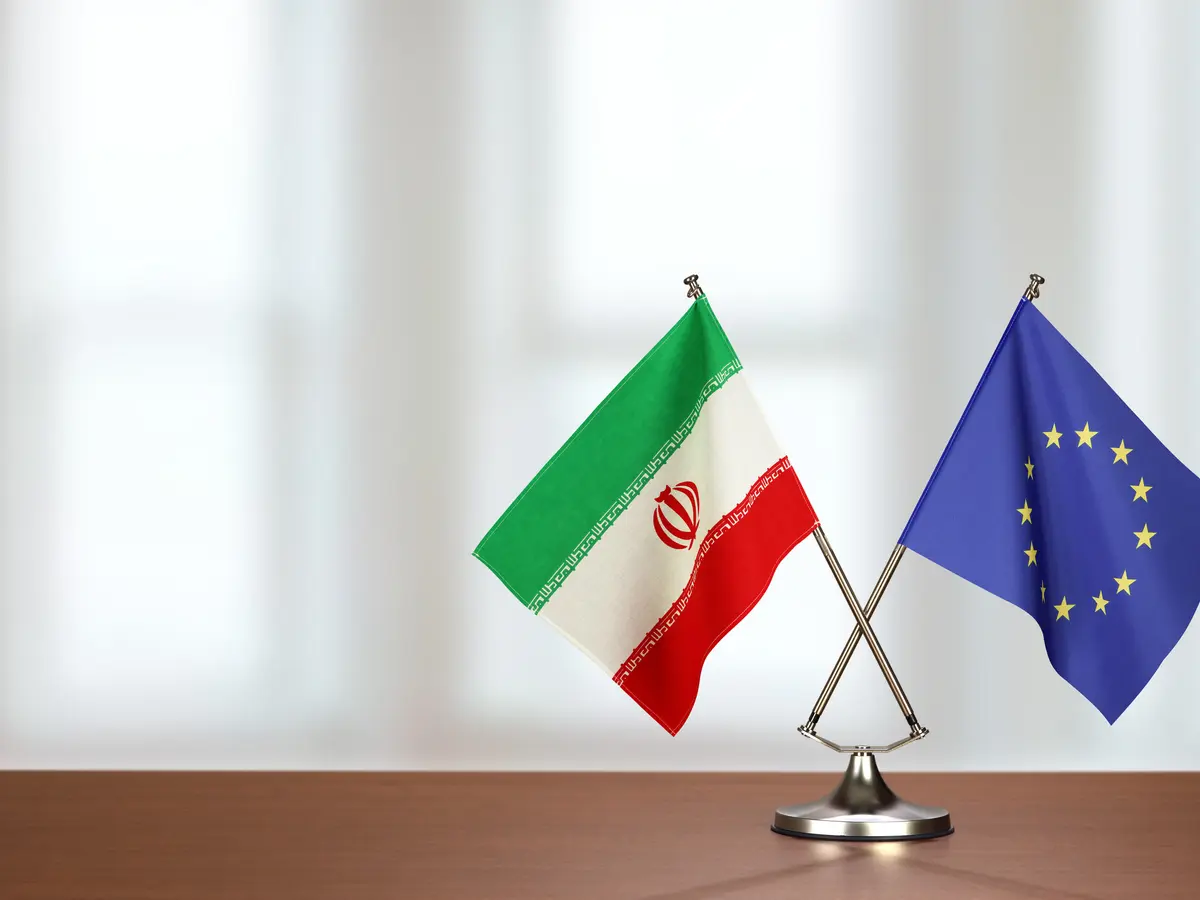
BRUSSELS — European leaders, including those from France, Germany, and Italy, have issued a joint declaration refusing to join military actions to reopen the Strait of Hormuz while active fighting continues. The announcement comes amid a deepening energy crisis following the outbreak of conflict between the U.S.-Israel alliance and Iran on February 28, 2026.
The “Ceasefire First” Stance
In a unified position, the allies emphasized a diplomatic-first approach to the maritime blockade:
-
No Active Combat: President Emmanuel Macron stated France will not participate in operations during the conflict but is planning a future protective mission for when the situation stabilizes.
-
De-escalation Priority: Germany and Italy warned that military entry at this stage could broaden the war, preferring to focus on pushing for a total ceasefire.
-
Demands on Tehran: The joint statement called on Iran to immediately halt missile attacks, drone strikes, and the laying of mines that have paralyzed the chokepoint.
A Global Shipping Crisis
The Iranian blockade has effectively halted a route that typically carries 20% of the world’s crude oil and LNG:
-
Stranded Fleet: Approximately 3,200 vessels and 20,000 seafarers are currently trapped west of the strait, according to the International Maritime Organization (IMO).
-
Direct Hits: At least 23 commercial vessels, including 10 tankers, have reported attacks or incidents since hostilities began.
-
Economic Fallout: With the strait paralyzed, global energy markets are facing extreme volatility, prompting some traders to pivot toward AI-driven predictive modeling to navigate the news cycle.
While Europe remains on the sidelines militarily, leaders expressed “deep concern” over the potential for a global energy collapse if the maritime “chokepoint” remains closed through the spring.