



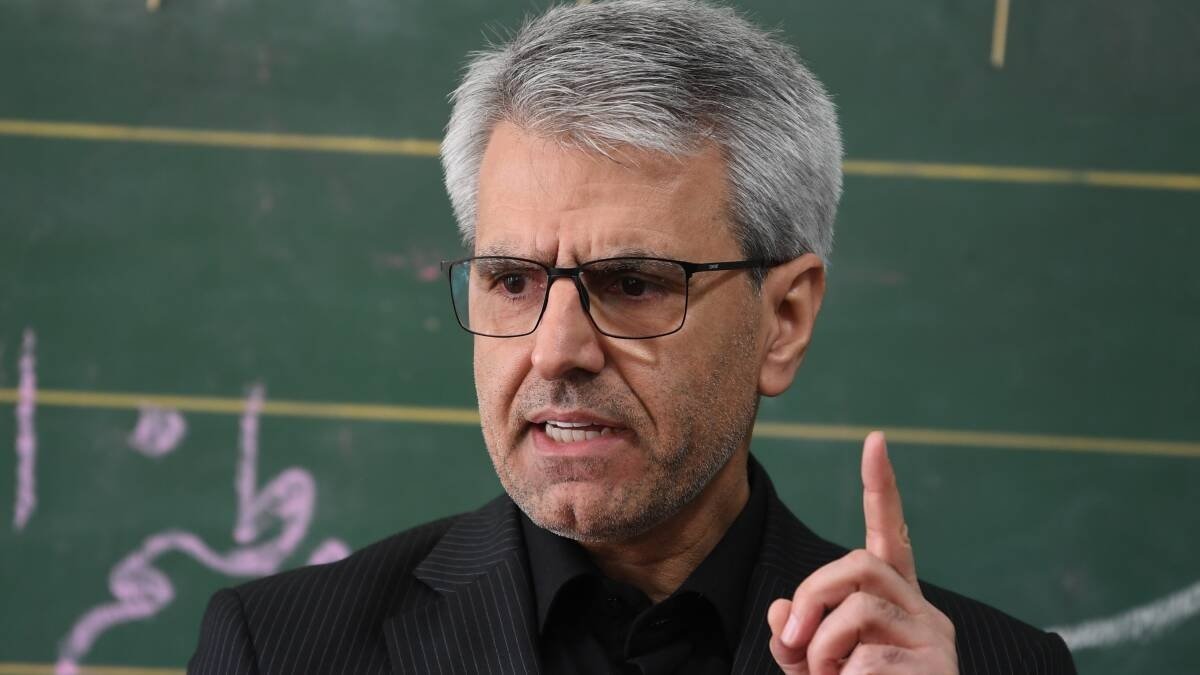
TEHRAN – Iran has officially dismissed reports of direct negotiations with the United States, labeling recent diplomatic proposals as “excessive and unreasonable.” In a stern briefing on March 30, 2026, Foreign Ministry spokesperson Esmaeil Baghaei also distanced Tehran from mediation efforts reportedly led by Pakistan.
The clarification follows claims that Islamabad was set to host talks between the two nations to de-escalate rising regional tensions.
Key Rejections from the Foreign Ministry:
-
No Direct Talks: Baghaei confirmed there are currently no face-to-face negotiations with Washington. Iran continues to communicate only via intermediaries.
-
15-Point Peace Plan: Reports of a proposed 15-point U.S. peace plan were flatly rejected, with Tehran stating such proposals do not align with its national position.
-
Pakistan’s Mediation: While welcoming regional de-escalation efforts, Iran clarified it did not participate in recent forums hosted by Pakistan. The Iranian Consulate in Mumbai stated on X: “Pakistan’s forums are their own; we didn’t participate.”
Regional Strategy and Military Stance
Despite the diplomatic standoff, Tehran emphasized its commitment to regional neighbors:
-
Non-Adversarial Approach: Iran asserted it does not view neighboring countries as enemies, citing shared cultural and economic ties, specifically noting maintained relations with Saudi Arabia.
-
Targeted Response: Baghaei stated that Iranian military operations remain strictly limited to facilities used as launch points for attacks against Iran.
-
Warning to Neighbors: The spokesperson cautioned regional states against passivity, remarking, “It is not enough to say we are not part of the war.”
Dismissal of Ukraine Links
Tehran also pushed back against attempts by Ukrainian President Volodymyr Zelenskyy to link Middle Eastern tensions to the war in Ukraine, dismissing such comparisons as irrelevant to the current regional conflict.