



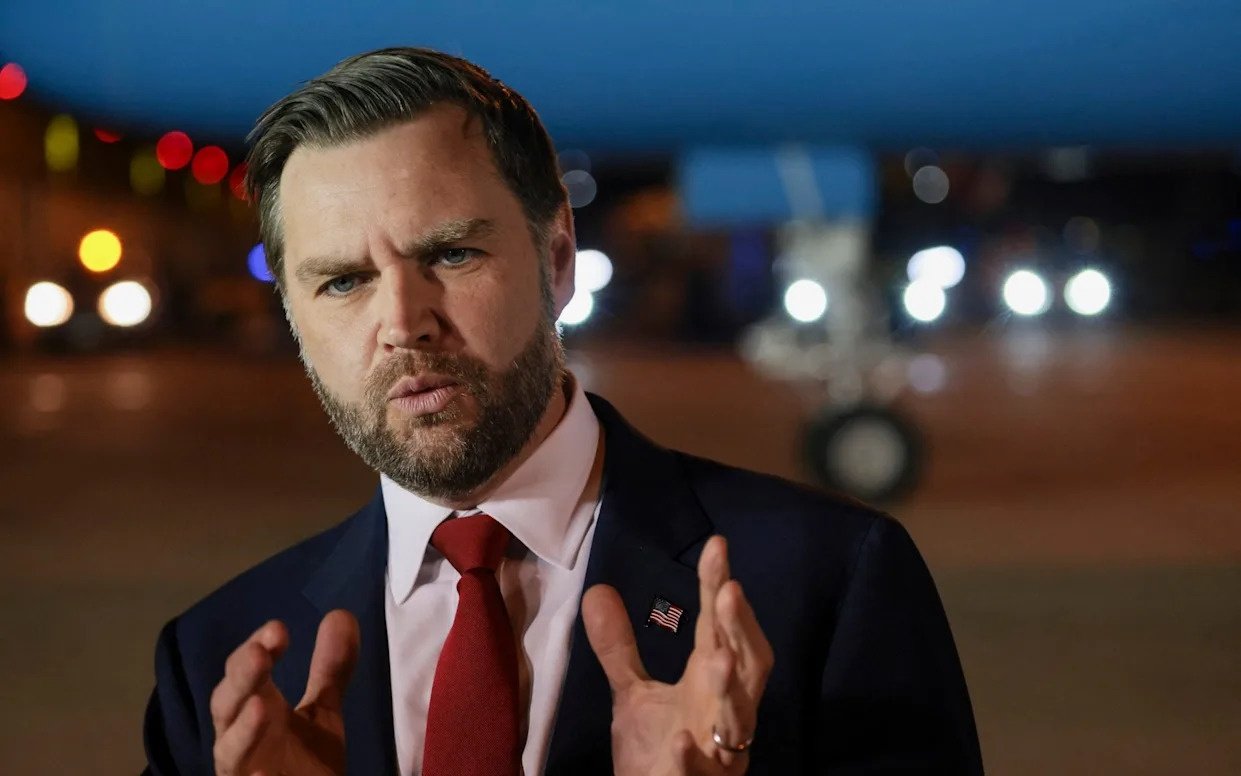
Beirut/Washington | April 10, 2026 — Tensions in the Middle East reached a critical tipping point today as Israeli jets launched fresh strikes across Lebanese towns, directly challenging a fragile US-Iran truce. The escalation comes despite US President Donald Trump’s public claim that Prime Minister Benjamin Netanyahu had agreed to “scale back” military operations.
As the strikes continued, US Vice President JD Vance departed Washington for Islamabad, Pakistan, where high-stakes negotiations to salvage the two-week ceasefire are scheduled to begin this weekend.
The “Scale Back” Paradox
On Thursday, President Trump told reporters he had spoken with “Bibi” (Netanyahu) and secured an assurance that Israel would “low-key” its campaign in Lebanon. However, Friday’s reality on the ground told a different story:
-
Renewed Airstrikes: Israeli jets targeted at least two Lebanese towns early Friday, following the devastating “Black Wednesday” strikes that killed over 300 people.
-
Hezbollah Retaliation: In direct response to the “Israeli-American aggression,” Hezbollah launched a barrage of rockets targeting northern Israeli settlements, including Kiryat Shmona, Metula, and Misgav Am.
The Ceasefire Confusion
The primary source of friction remains a fundamental disagreement over the scope of the two-week truce mediated by Pakistan:
-
The Iran Position: Tehran insists that the ceasefire—which paused direct US-Iran hostilities—includes an immediate halt to Israeli operations in Lebanon.
-
The US-Israel Position: Washington and Tel Aviv maintain that the truce applies only to the direct conflict between the US and Iran, leaving Israel “free to act” against Hezbollah threats.
Vice President Vance, known for his skepticism of open-ended foreign interventions, now faces the daunting task of bridging this gap. Iranian President Masoud Pezeshkian has already warned that continued strikes on Lebanon render the upcoming negotiations “meaningless.”
Diplomatic Stakes in Islamabad
The upcoming talks in Pakistan are viewed as a “last-ditch” effort to prevent a total collapse of the truce. Iran has already threatened to re-close the Strait of Hormuz—a vital artery for global oil—if the attacks in Lebanon do not cease.
While Trump remains “very optimistic” about a permanent deal, the ongoing exchange of fire between Hezbollah and the IDF suggests that the road to peace in Islamabad is fraught with obstacles that neither Washington nor Tehran has yet resolved.