



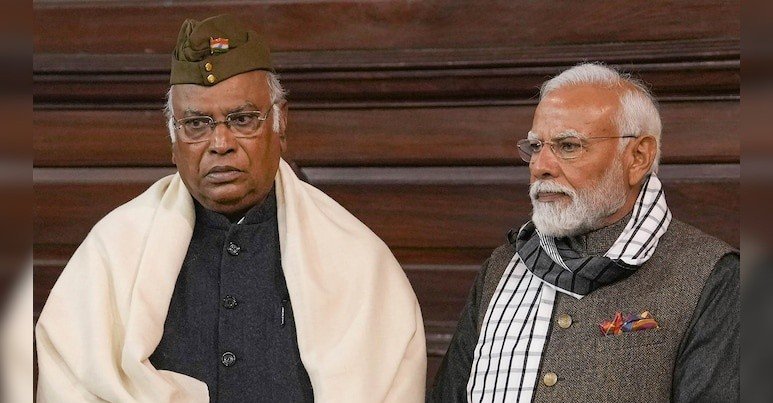
New Delhi | April 12, 2026 — A political standoff has emerged following Prime Minister Narendra Modi’s call for a Special Session of Parliament to fast-track the Nari Shakti Vandan Adhiniyam. While the PM has sought cross-party support to implement the one-third legislative reservation for women before the 2029 elections, Congress President Mallikarjun Kharge has dismissed the move as a hurried attempt to gain political leverage.
The Proposed Amendment
The original Women’s Reservation Bill, passed in 2023, was constitutionally linked to the completion of the next Census and subsequent delimitation. The new proposed amendment seeks to:
-
Delink from Census 2027: Implement the quota based on 2011 Census data.
-
2029 Deadline: Ensure the reservation is active for the 2029 Lok Sabha and upcoming state Assembly elections.
-
Special Session: Deliberations are scheduled to begin during a special sitting starting April 16.
The Prime Minister’s Appeal
In a letter addressed to all political parties, PM Modi described the upcoming session as a “historic opportunity” to strengthen democracy. He emphasized that the time has come to implement the Act in its “true spirit,” stating that women’s participation is essential to bolster public trust in governance and democratic institutions.
Kharge’s Sharp Rebuttal
Responding via a post on X (formerly Twitter), Mallikarjun Kharge raised several objections to the government’s approach:
-
Lack of Transparency: Kharge argued that the government is seeking cooperation without revealing specific details regarding the delimitation process or the mechanics of the amendment.
-
Timing and “Political Mileage”: He pointed out that calling a special session during ongoing state elections suggests the move is designed for electoral gain rather than genuine empowerment.
-
Demand for All-Party Meet: The Congress chief urged the government to postpone the discussion until after April 29, requesting a formal All-Party meeting to discuss the constitutional implications and the concerns of various states.
Legislative Context
The Nari Shakti Vandan Adhiniyam was passed unanimously in September 2023 but remained in limbo due to the requirement of a fresh census. By attempting to bypass the 2027 Census requirement, the Centre aims to fulfill a major poll promise ahead of the next general election cycle. However, the opposition remains wary, citing a lack of consultation on the federal and structural changes such an amendment would entail.