



New Delhi | July 30, 2026
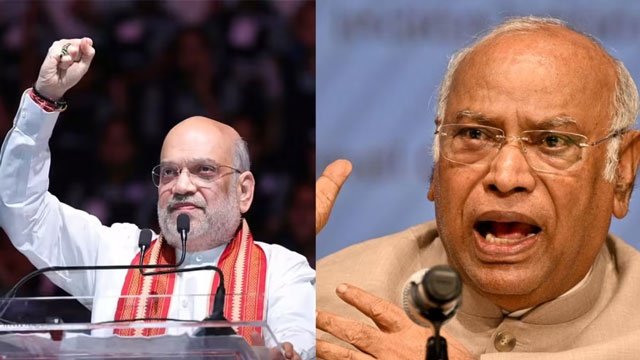
High-decibel political clashes erupted in the Rajya Sabha today as the Upper House took up the Public Examinations (Prevention of Unfair Means) Amendment Bill. Sparks flew between the Treasury and Opposition benches after Leader of Opposition (LoP) Mallikarjun Kharge demanded the resignation of Union Home Minister Amit Shah over alleged police action against student protesters in Delhi, drawing sharp counter-charges from the Ruling BJP, which accused Kharge of “threatening violence.”
The stormy debate commenced when Minister of State Jitendra Singh moved the legislation—already passed by the Lok Sabha yesterday—and hit out at the former UPA regime for failing to institute a national testing body or curb exam paper leaks despite expert panel recommendations.
Shooting back, Kharge alleged that the ruling dispensation introduced the amendment bill merely to pacify widespread youth anger following the recent paper leak crisis, demanding that Amit Shah clarify the government’s stance on police action at Jantar Mantar.
The amendment bill introduces stringent penal provisions to secure the public examination framework:
-
Individual Offenders: Jail terms of up to 10 years and fines scaled up to ₹50 lakh for exam paper leak offences.
-
Service Providers: Enhanced maximum fines ranging up to ₹5 crore (from ₹1 crore earlier) alongside an 8-year debarment period from conducting public examinations.
Key Legislative & Political Brief
-
Legislation: Public Examinations (Prevention of Unfair Means) Amendment Bill
-
Key Speakers: Jitendra Singh (MoS), Mallikarjun Kharge (LoP, Rajya Sabha)
-
Core Issue: Exam paper leak prevention & police action during youth protests
-
Key Amendments: Up to 10-year imprisonment, fines up to ₹50 lakh for individuals; up to ₹5 crore fine & 8-year ban for service providers
-
Status: Moved in Rajya Sabha following Lok Sabha approval by voice vote