



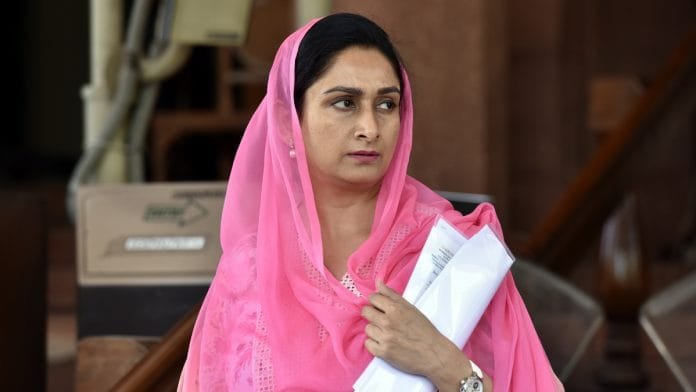
MOHALI — As the momentum builds toward the 2027 Punjab Assembly elections, the state’s political arena is witnessing an intense clash of campaign strategies centered on Punjab’s systemic drug crisis. Steering clear of traditional large-scale rallies, the Shiromani Akali Dal (SAD) has launched an emotionally charged, micro-targeted offensive designed to reconnect with its traditional rural strongholds across the crucial Malwa belt.
Fronting this grassroots movement is Bathinda MP Harsimrat Kaur Badal, who is leading the “Maawan-Dheeyan Insaaf” (Mothers and Daughters for Justice) initiative. The movement uniquely leverages female leadership and family grief, giving voice to women directly impacted by addiction in their households.
A Strategic Rollout Across the Malwa Belt
The initiative’s initial leg demonstrates a deliberate emphasis on rural Malwa constituencies, establishing a localized footprint through sequential mobilization:
-
Rampura Phul and Nathana (September 21): Launch of village-level women’s assemblies and community dialogs.
-
Mansa and Sardulgarh (September 22): Expansion of public gatherings into core agricultural territories.
-
Lambi and Gidderbaha (September 23): Strategic outreach into historic Akali strongholds.
Rather than hosting static rallies, Harsimrat is conducting intimate community sessions followed by public marches to present formal memorandums to executive magistrates, urging swift judicial intervention, aggressive anti-trafficking enforcement, and expanded medical treatment centers.
Bridging Healthcare, Justice, and Economic Safety Nets
The campaign shifts the political conversation surrounding substance abuse beyond enforcement, framing it as an overarching socio-economic issue affecting family stability.
Harsimrat’s platform integrates several core political demands:
-
Legal Rigor and Case Reviews: Requesting independent investigations into controversial local incidents, including the cases of Mohanjit Singh and Gulzar Singh, while accusing the ruling Aam Aadmi Party (AAP) of policy failures.
-
Economic Relief and Welfare: Connecting drug abuse to wider structural pressures such as unemployment, inflation, and eroded civic assistance.
-
Restoration of Social Programs: Re-evaluating popular Akali-era state support schemes, specifically promising to reinforce Aata-Daal, Shagun, and senior citizen pensions under a future administration.
A Clash of Campaign Methodologies
This targeted initiative sets up a clear contrast between the three primary political forces vying for influence in Punjab:
-
The BJP’s Broad-Spectrum Approach: Utilizing the “Nasha Mukt Punjab Yatra”, a high-visibility statewide movement traveling 4,000 kilometers across all 117 assembly constituencies to emphasize governance, security, and anti-narcotics enforcement.
-
AAP’s Household Outreach: Implementing a grassroots campaign driven by booth-level representatives and Chief Minister Bhagwant Mann, who are delivering official government report cards directly to voters’ doors.
-
SAD’s Community-Driven Focus: Deploying the “Maawan-Dheeyan Insaaf Marches” to directly organize rural women and affected families, aiming to rebuild organizational roots from the ground up.
Rebuilding Cadres Ahead of 2027
Beyond its focus on public health and governance, the campaign serves as a structural test for the Akali Dal as it seeks to rejuvenate its village-level network. By centering women in local policy advocacy, SAD is aiming to solidify its political presence ahead of the 2027 polls. Whether this targeted outreach can successfully transform public concern into long-term electoral support will be a key dynamic to watch in Punjab’s evolving political narrative.