



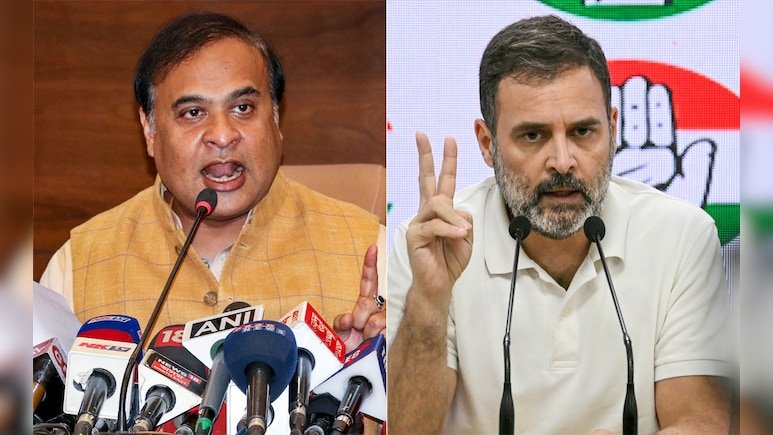
GUWAHATI — In a dramatic political turnaround that reshapes the electoral landscape of Assam, the Bharatiya Janata Party delivered a crushing blow to both the Congress and the All India United Democratic Front (AIUDF) by securing a decisive victory in the Nagaon Lok Sabha byelection.
Official figures from the Election Commission show that BJP candidate Devasish Sharma, a former bureaucrat, polled 714,349 votes to clinch the seat by a formidable margin of 142,224 votes against AIUDF chief Badruddin Ajmal, who received 572,125 votes. Congress candidate Sibamoni Bora finished a distant third with just 129,492 votes—a stark decline for a party that had won the constituency by over two lakh votes in the 2024 general elections.
Key Takeaways
-
Massive Political Shift: The ruling party overturned a previous two-lakh vote deficit in a minority-influenced constituency to secure a margin exceeding 1.4 lakh votes.
-
Dual Defeat for Opposition: The result delivered simultaneous setbacks to both Congress leadership and the AIUDF, altering traditional vote-bank dynamics.
-
Clash Over Electoral Integrity: Assam Chief Minister Himanta Biswa Sarma leveraged the victory to challenge opposition narratives surrounding voter list revisions and poll panel operations.
Sarma Targets Rahul Gandhi Over Shift in Voter Mandate
Seizing on the scale of the victory, Assam Chief Minister Himanta Biswa Sarma asserted that the voters of Nagaon had delivered a clear verdict against the Opposition’s national leadership and political messaging.
“We have won Nagaon with more than one lakh votes. This is a seat that the Congress had won by over two lakh votes in 2024. Today, they have been rejected. Rahul Gandhi has been rejected. We have not only increased our vote share and reduced theirs, but we have also defeated Ajmal. This is a crushing defeat for Rahul Gandhi,” Sarma declared.
The Chief Minister highlighted that the electoral shift within a constituency featuring a significant religious minority population demonstrates growing public alignment with government initiatives over regional or factional politics.
Rebuttal to Opposition Allegations on Electoral Rolls
Beyond the immediate polling numbers, Sarma used the post-election momentum to push back against opposition criticism regarding the Special Intensive Revision (SIR) of voter lists and the functioning of the Election Commission.
Sarma accused opposition leaders of questioning electoral credibility only when faced with unfavorable outcomes. He maintained that ongoing efforts to cleanse voter registries were essential for administrative integrity, dismissing planned opposition rallies in New Delhi as pressure tactics aimed at stalling legitimate electoral reforms.