



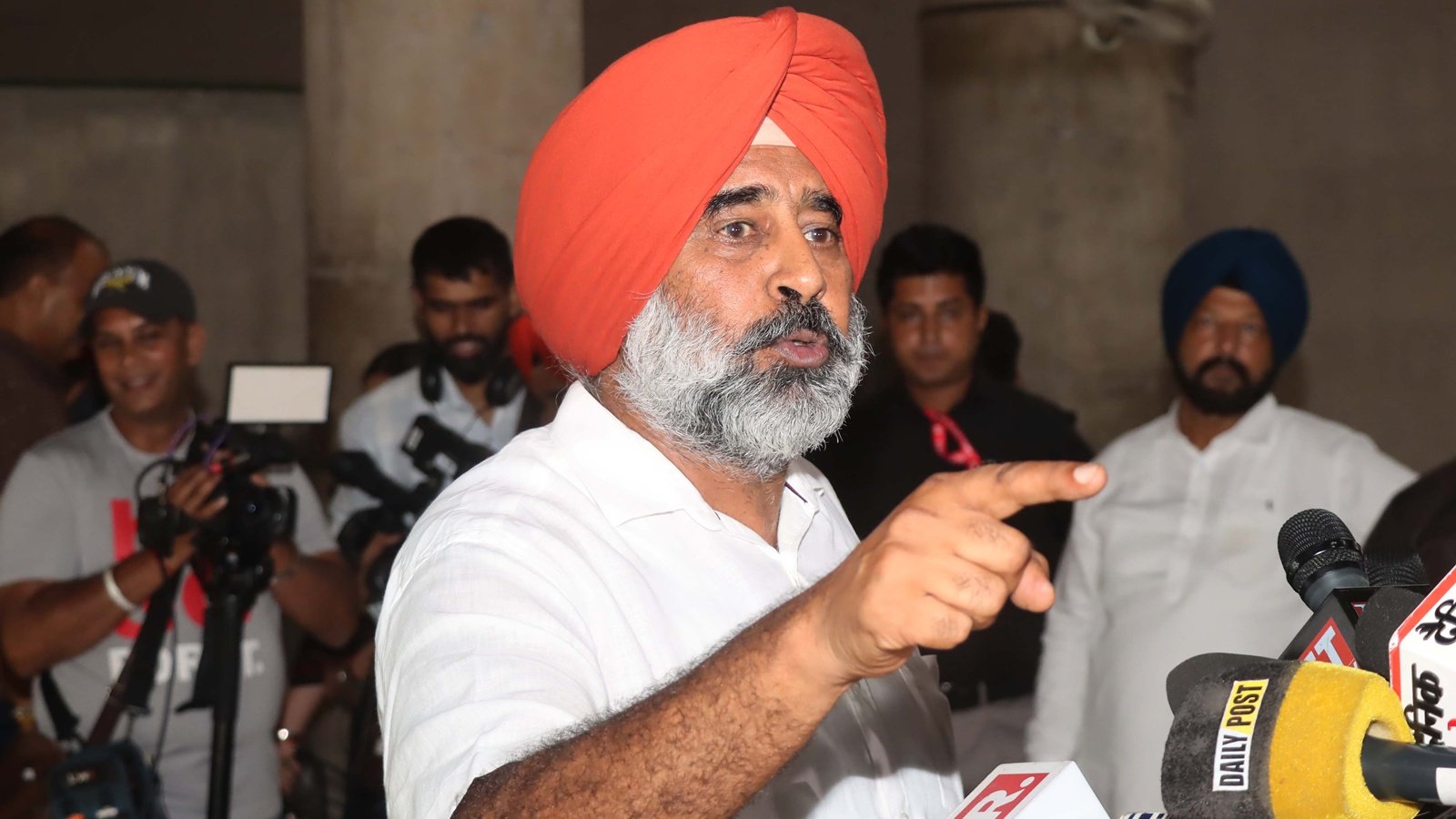
CHANDIGARH — The political climate in Punjab has escalated into a direct confrontation between the state Congress leadership and electoral authorities ahead of the 2027 Assembly polls, with opposition leaders rejecting official claims of party consensus over voter roll revisions and challenging the legal validity of modified registration forms.
State Congress Chief Pargat Singh publicly denounced the revised Form-6 voter enrollment format as legally flawed, while party coordinator Hardeep Singh Kingra disputed assertions made by Chief Electoral Officer Anindita Mitra that political parties had given written consent for voter list deletions.
Key Takeaways
-
Challenge to Registration Form Validity: Punjab Congress President Pargat Singh stated that additional disclosure requirements introduced into Form-6 lacked statutory approval from Parliament or explicit authorization from the judiciary, calling their legal standing into question.
-
Denial of Political Endorsement: Opposition coordinator Hardeep Singh Kingra rejected claims that the party gave written approval for roll modifications, clarifying that signing attendance sheets at official consultation meetings did not equal endorsement of voter deletions.
-
Divergent Numbers on Voter Base: Electoral authorities reported that the final electoral roll rose to 2.01 crore following the addition of eight lakh voters, but the removal of 86,000 names during earlier draft phases remains heavily disputed by opposition strategists.
-
Demands for Administrative Transparency: The Congress demanded full public disclosure of meeting minutes, written responses to filed grievances, and verification of procedures governing centralized data management.
Procedural Clashes and Escalating Political Friction
The controversy centers on whether electoral authorities properly secured political consensus and followed statutory protocols during the Special Intensive Revision (SIR) exercise initiated across the state.
While election administrators maintain that house-to-house enumeration drives and public objection windows were conducted transparently with party cooperation, Congress officials insist that critical objections regarding potential voter disenfranchisement and data handling were ignored.
The expanding dispute over voter rights and administrative accountability signals that electoral roll integrity will remain a central political issue leading into the state’s upcoming assembly elections.