



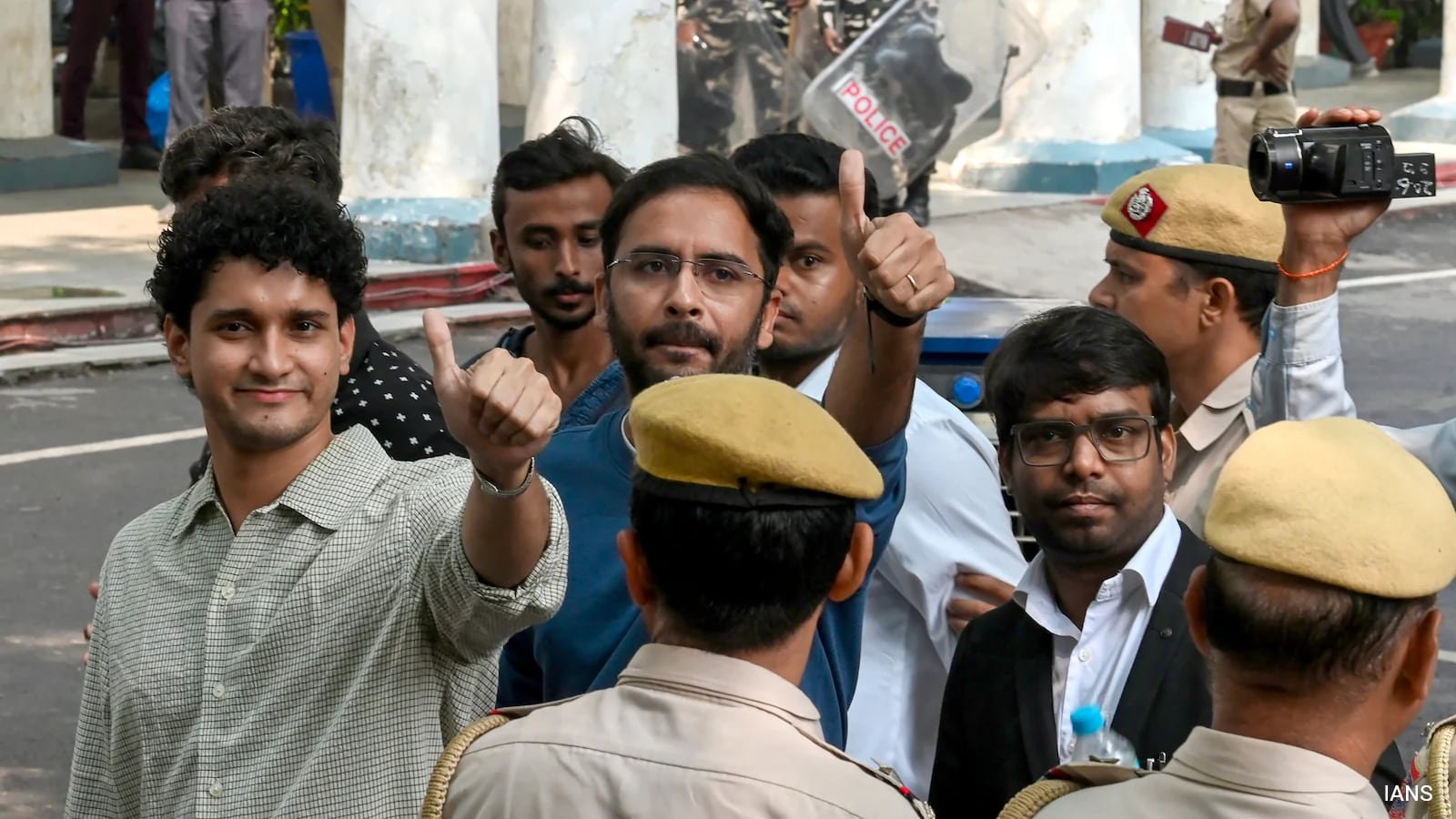
NEW DELHI — The Delhi Police on Tuesday transferred a second case against Cockroach Janta Party (CJP) leaders Saurav Das and Ashutosh Ranka to its Crime Branch, consolidating specialized investigative oversight of the pressure group’s key organizers ahead of impending court hearings.
The administrative shift follows the recent transfer of a related case involving the group’s unauthorized entry into the restricted Jantar Mantar area, reflecting a coordinated law enforcement approach toward managing public order across central administrative zones.
Key Takeaways
-
Consolidated Investigation: The Crime Branch has formally assumed control of two separate cases against CJP leadership, centralizing investigative operations and evidence gathering.
-
Jantar Mantar Security Incident: Law enforcement records state that on October 13, CJP figures including Saurav Das, Ashutosh Ranka, and Ajinkya Shinde bypassed security barriers via adjoining private premises to reach Jantar Mantar, which is no longer a designated protest site.
-
Detentions and Formal Charges: Security personnel intervened at the site, detaining 14 individuals and filing two First Information Reports (FIRs) alleging trespassing and public order violations.
-
Custody Status Extended: Das and Ranka, who were initially remanded to five days of judicial custody on October 14 by a Special Executive Magistrate for breaching peace bonds, received a two-day custody extension on Monday.
Investigative Scope and Legal Proceedings
The transfer of both files to the Crime Branch allows specialized investigators to examine the broader organizational dynamics, coordination methods, and funding behind recent unauthorized demonstrations.
While defense counsel argues that peace bond enforcement mechanisms are being applied excessively against civic activists, law enforcement officials maintain that strict compliance with spatial restrictions around public infrastructure is essential to preserve public order.
Both prosecution and defense teams are scheduled to present arguments regarding bail conditions and custodial terms during upcoming magistrate proceedings.