



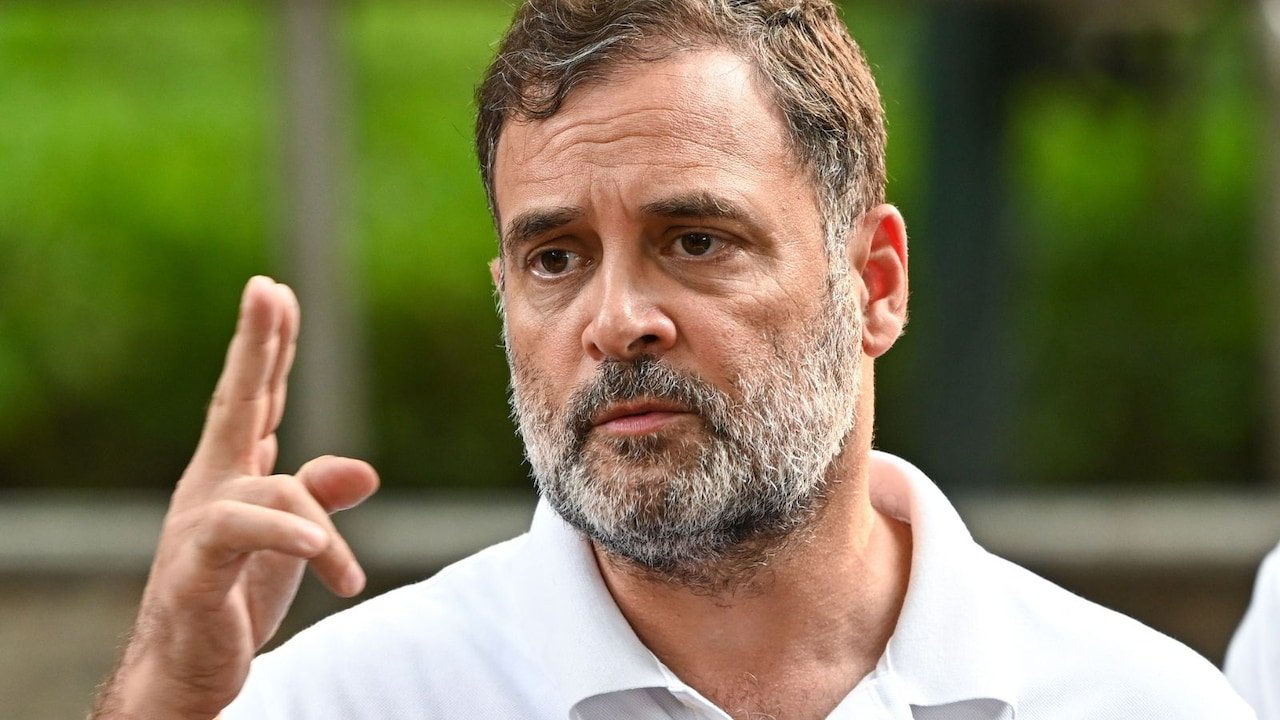
NEW DELHI — The ongoing ideological conflict between primary parliamentary parties escalated on Wednesday following sharp remarks by Leader of the Opposition Rahul Gandhi regarding the gender dynamics and philosophical foundations of the Rashtriya Swayamsevak Sangh.
The comments drew an immediate and robust defense from ruling Bharatiya Janata Party leaders, who dismissed the characterizations as factually inaccurate while questioning the opposition’s own track record on female empowerment and administrative inclusion.
Key Takeaways
-
Sharp Ideological Assessment: Opposition leader Rahul Gandhi publicly targeted the organizational principles of the national volunteer corps, criticizing its traditional stance on gender equality and constitutional values.
-
Defense of Organizational Wings: Ruling party representatives rejected the allegations, highlighting the extensive, nationwide participation of women within dedicated affiliate institutions and community networks.
-
Scrutiny of Internal Gender Parity: Government spokespersons countered by pressing the opposition to disclose the proportion of female leaders holding high executive office or chief ministerial positions in states under its governance.
-
Heightened Campaign Rhetoric: The verbal duel underscores how foundational cultural values, gender policy, and institutional representation continue to dominate the national political discourse.
Ideological Critiques and Philosophical Arguments
Framing his political opposition through a blend of constitutional principles and traditional cultural concepts, the Leader of the Opposition maintained that reformative social views are gaining traction even among conservative demographics.
“The RSS is an all-male anti-constitutional cult that believes women are the property of men… I believe in Shiva-Shakti. That’s why it gives me such joy to fight them. What’s beautiful is that many of their ‘own’ women are on my side.”
The statement builds upon a series of recent youth addresses where opposition figures have advocated dismantling patriarchal structures to advance civil liberties and equal opportunity.
Counter-Arguments and Political Rebuttal
Rejecting the assertions, ruling party officials emphasized that affiliated women’s organizations have operated prominently across every state for decades, driving major social welfare, educational, and community initiatives.
Furthermore, party leaders turned the focus back onto internal political governance, raising critical questions regarding institutional equity:
-
Executive Representation: Highlighting the disparity in female representation across state cabinets and executive committees managed by opposition parties.
-
Legislative Reforms: Urging consensus and active support on policy mechanisms intended to guarantee female quotas across legislative assemblies.
-
Internal Accountability: Demanding rigorous administrative action regarding complaints of misconduct within political wings and student bodies.
The spirited exchange reflects a broader strategy by both coalitions to mobilize voters on core identity, social inclusion, and governance ethics ahead of upcoming electoral contests.