



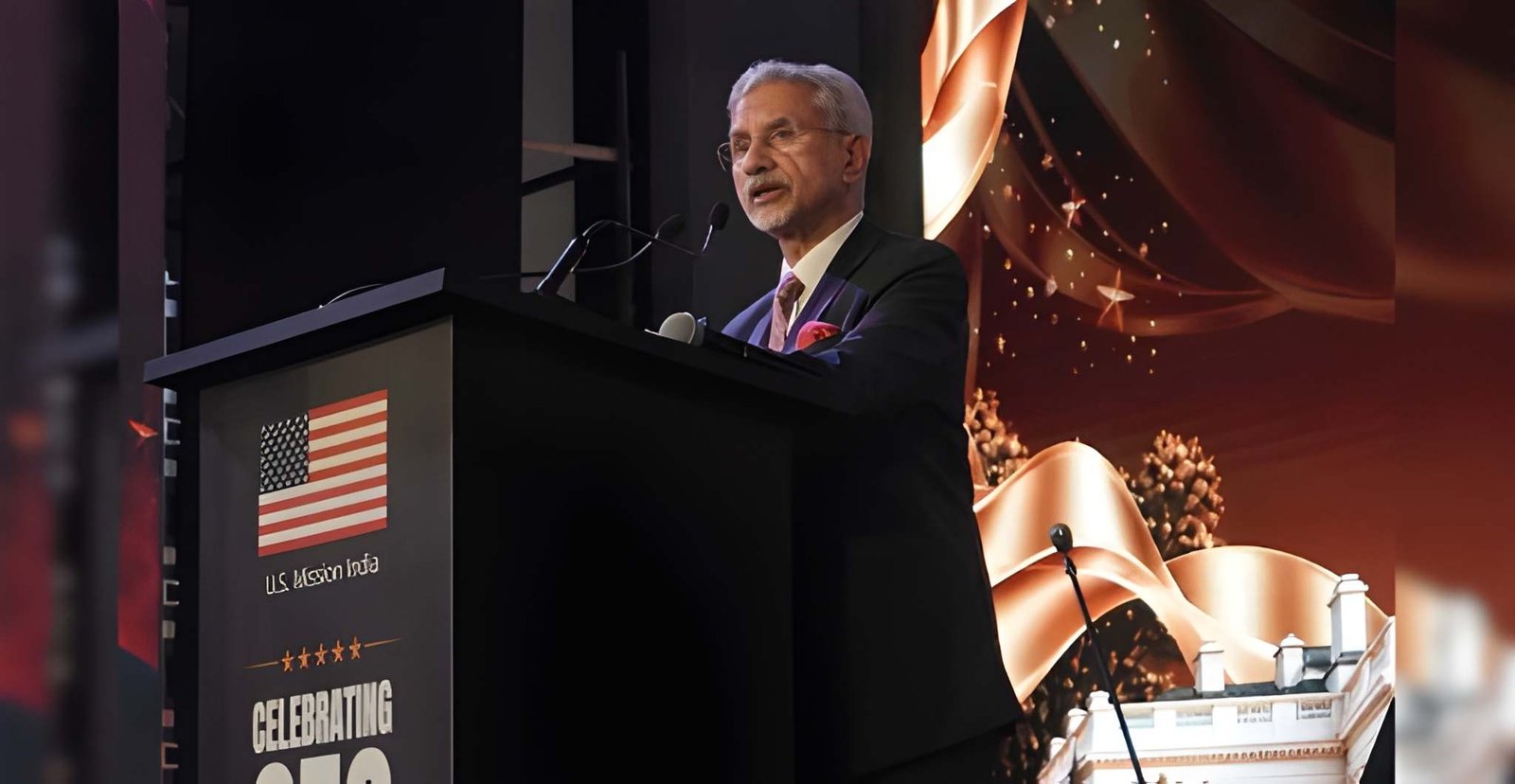
MUMBAI — External Affairs Minister S. Jaishankar joined visiting United States Secretary of State Marco Rubio in Mumbai on Tuesday, asserting India’s firm right to national defense while calling for uncompromising international zero tolerance toward cross-border terrorism.
Addressing the “Freedom 250” reception organized by US Ambassador Sergio Gor to mark the upcoming 250th anniversary of American independence, the diplomatic leaders outlined expanding strategic, technological, and economic synergies shaping the Indo-Pacific region.
Key Takeaways
-
Counter-Terrorism Mandate: EAM S. Jaishankar praised Secretary Marco Rubio for paying tribute at the 26/11 Memorial at the Taj Mahal Palace Hotel, reiterating India’s stance on self-defense and the necessity of global anti-terror consensus.
-
Extradition Progress Recognized: The External Affairs Minister formally welcomed actions taken by the US administration concerning the extradition of Tahawwur Hussain Rana over his involvement in the 2008 Mumbai terrorist attacks.
-
Strategic Policy Frameworks: Both governments highlighted structural progress across major multilateral and economic platforms, including the Quad, Mission 500, Pax Silica, and the Forge Initiative.
-
Mumbai’s Commercial Leadership: Officials emphasized Mumbai’s historical and modern role as India’s premier financial capital, anchoring foreign investment, tech integration, and maritime trade.
Security Collaboration and International Order
Highlighting the rapid transformation of global geopolitical structures, External Affairs Minister Jaishankar emphasized that sustainable bilateral partnerships depend on firm commitments to counter-terrorism and mutual security interests:
“Secretary Rubio, all of Mumbai, and indeed all of India, appreciate your laying a wreath today at the Taj Hotel’s 26/11 Memorial. India also welcomes this administration’s decision to extradite Tahawwur Hussain Rana, who was one of the key culprits. We are clear on our right to defend ourselves against terrorism and expect our partners to show zero tolerance towards terrorism as well.”
Jaishankar noted that as sovereign nations navigate shifting international dynamics, expanding alignment across core strategic priorities remains essential to maintaining regional balance.
Economic Growth and Technical Integration
Tracing the historical development of bilateral commerce from early maritime trade to modern software and engineering collaborations, Jaishankar pointed out that Indian technical talent continues to play a central role in driving global technological advancements.
Highlighting Mumbai’s strategic importance, the Minister affirmed that joint initiatives across clean energy, defense production, and civil aviation will continue establishing a clear roadmap for long-term economic stability between both nations.