



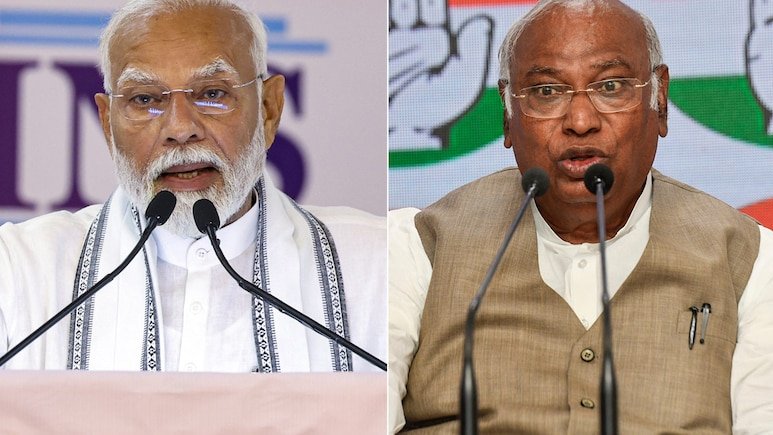
NEW DELHI — The Bharatiya Janata Party has initiated nationwide demonstrations across all state organizational headquarters to protest public remarks made by Congress President Mallikarjun Kharge during a political gathering in Patna.
Characterizing the opposition leader’s comments as an unwarranted personal attack on Prime Minister Narendra Modi and his family, party leadership declared that the statement violated accepted norms of civil political discourse.
Key Takeaways
-
Nationwide Mobilization: State party units across the country were directed to assemble peaceful demonstrations at regional party headquarters.
-
Core Controversy: The political row stems from public remarks delivered by Congress President Mallikarjun Kharge in Patna, Bihar.
-
Apology Demanded: Senior party representatives called for an unconditional apology, urging a return to policy-focused debate.
-
Heightened Inter-Party Friction: The coordinated demonstrations mark a major escalation in public conflict between the nation’s primary political parties.
Directives to Regional Headquarters and Public Statements
Following directives from central leadership, state executive committees mobilized party workers and elected representatives to stage coordinated public gatherings:
-
Operational Mandate: Regional offices received instructions to hold firm, peaceful assemblies to register formal institutional disapproval.
-
Decorum in Public Life: Party leadership emphasized that democratic debate should center on governance, economic policy, and legislative records rather than personal references involving family members.
-
Calls for Accountability: Official party spokespersons reiterated that an unreserved retraction and apology are necessary to uphold standards of mutual respect in public office.
Impact on National Political Landscape
The organized protest campaign signals a period of intensified public confrontation between the ruling coalition and opposition leadership as both political blocs continue regional organizational drives.
With demonstrations underway at major state centers, political observers are monitoring the scale of turnout and awaiting potential formal responses from opposition representatives.