



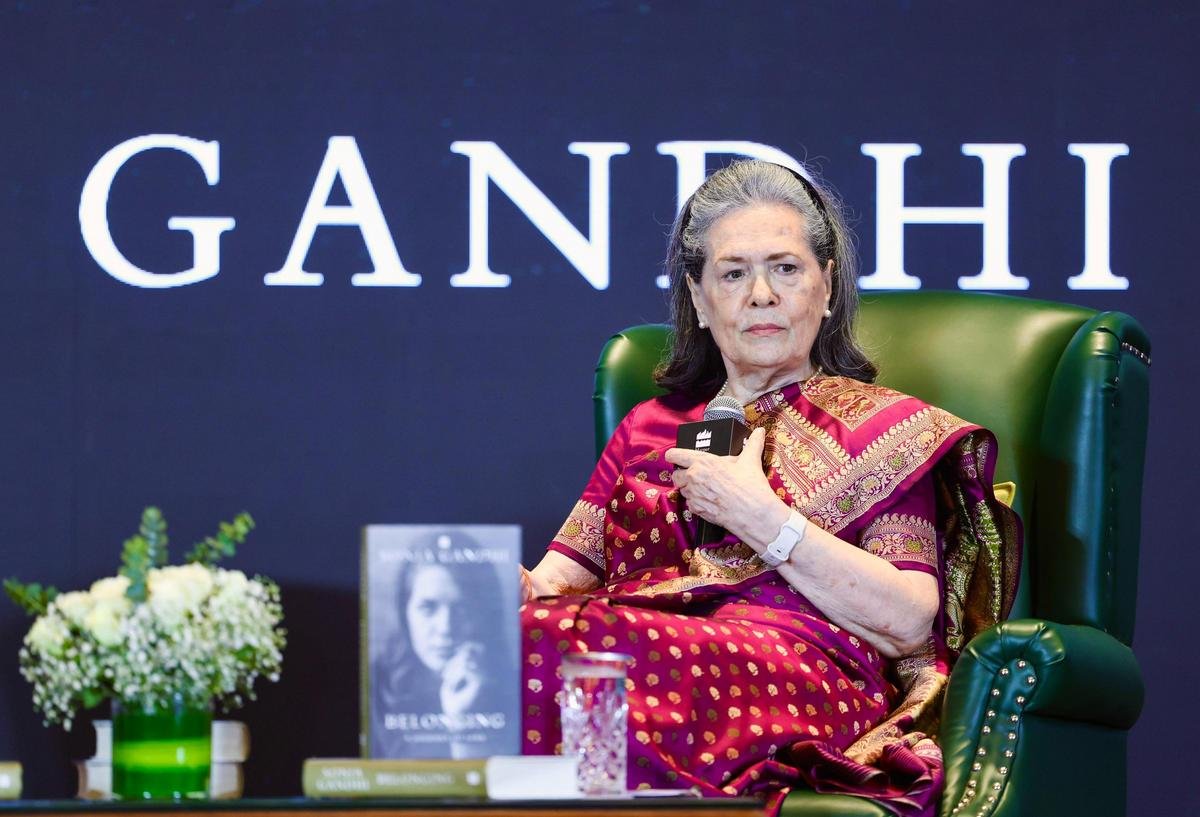
NEW DELHI — Satyaki Savarkar, grandnephew of Vinayak Damodar Savarkar, has served a legal notice on Congress leader Sonia Gandhi demanding an unconditional apology, clarification, and correction over passages mentioning Savarkar in her memoir, “Belonging: A Journey of Love,” alleging they present a distorted portrayal of his life and ideology.
Issued through advocate Sangram Kolhatkar, the notice sets a 15-day compliance window from receipt and warns that failure or refusal to meet the demands could lead to legal proceedings before an appropriate court or authority. According to the notice, Satyaki Savarkar recently read the book—published by HarperCollins Publishers India reportedly on November 10, 2026—and took exception to statements appearing on pages 201 and 443.
Disputed Passages and Objections Raised in the Notice
The legal notice challenges two specific sections of the memoir on historical and reputational grounds:
-
Page 201 Reference: The notice objects to a passage stating that while Congress freedom fighters faced assaults and imprisonment under British rule, senior RSS ideologues including Vinayak Damodar Savarkar wrote mercy petitions to colonial authorities and their members acted as informers. It contends that this wording implies Savarkar was linked to informing on fellow freedom fighters or colluding with British rulers against them, without accounting for the historical context of his imprisonment, petitions, and political record, including his incarceration in the Cellular Jail in the Andaman Islands.
-
Page 443 Reference: The notice also disputes a passage describing Savarkar as a contemporary of Mahatma Gandhi and founder of Hindutva who viewed India primarily as a nation where Hindus are supreme—an approach linked to the RSS, BJP, and the broader Sangh Parivar—arguing that it mischaracterizes his ideological and political philosophy.
Earlier Political Protest Over the Book
The legal notice follows earlier demonstrations against the memoir’s content by the Eknath Shinde-led Shiv Sena, whose leaders staged protests, tore pages from the book in public, and called for the removal of the contested references to Vinayak Damodar Savarkar.