



NEW DELHI/DHAKA (Feb 13, 2026) — The Bangladesh Nationalist Party (BNP), led by Tarique Rahman, is poised for a sweeping two-thirds majority in Bangladesh’s 13th parliamentary elections. Unofficial counts on Friday morning show the BNP-led alliance leading or winning in over 181 of the 300 seats, comfortably crossing the 151-seat majority mark.
Prime Minister Narendra Modi has already congratulated Tarique Rahman on the “decisive win,” signaling a move to stabilize bilateral ties after the 2024 political upheaval.
Election & Referendum Highlights
-
Historic Mandate: This is the first election since the 2024 uprising that ousted Sheikh Hasina. Her Awami League was barred from contesting.
-
The “July Charter” Referendum: Voters also participated in a referendum on a major 84-point reform package. Early counts show the Charter passing with approximately 72.9% approval.
-
High Turnout: Voter turnout reached an estimated 60.69%, a significant jump from the 42% seen in 2024.
-
New Opposition: Jamaat-e-Islami has emerged as the second-largest party with 61–68 seats, a historic high for the group.
India’s Stance
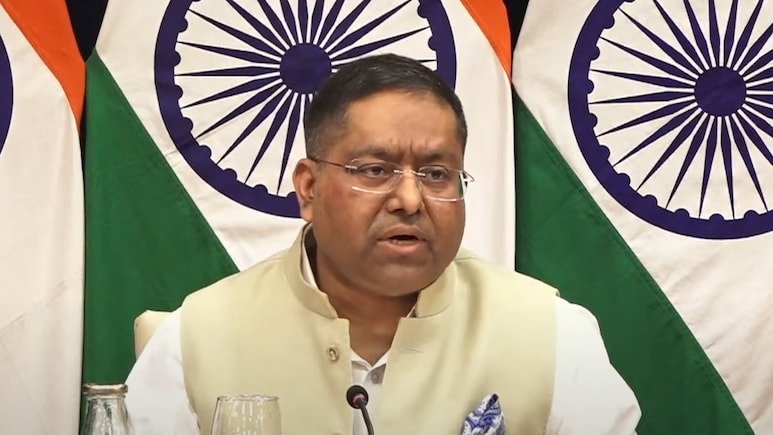
MEA spokesperson Randhir Jaiswal stated on Thursday that India stands for “free, fair, inclusive, and credible elections.” While India received an invitation to send observers, New Delhi opted not to participate in that capacity.
“We will wait for the outcome of the elections and the mandate, and thereafter look at the issues that are there,” the MEA added.
Key Milestones
-
Tarique Rahman’s Return: After 17 years in exile, Rahman is set to be the next Prime Minister and is expected to take his oath on Saturday.
-
New Features: For the first time, Bangladesh facilitated postal voting for its 15 million-strong overseas diaspora.
-
Peaceful Polling: Despite nine reported deaths in isolated incidents, the election was largely described as the most competitive and peaceful in decades.