



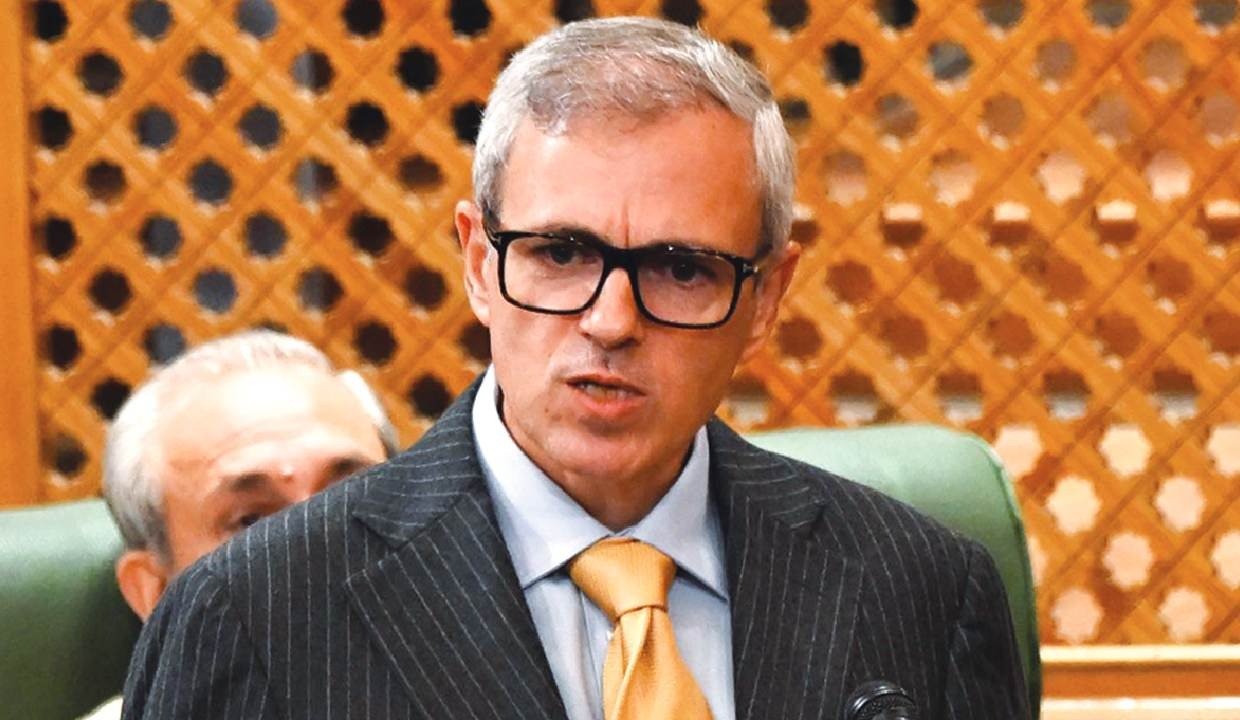
SRINAGAR (Feb 20, 2026) — Jammu and Kashmir Chief Minister Omar Abdullah has stepped in to defend a controversial administrative order regulating charity collections during the holy month of Ramzan, urging political leaders to refrain from “politicizing religious matters.”
The Regulation
The administration in Kishtwar district has invoked Section 163 of the Bharatiya Nagarik Suraksha Sanhita to mandate the registration of all individuals and NGOs collecting donations.
-
Requirements: Collectors must obtain written clearance from the Waqf Board, the Imam of Jamia Masjid, or a Tehsildar.
-
Accountability: Entities must maintain transparent records of all collections (Zakat and Sadaqah) and expenditures.
-
Enforcement: Unauthorised solicitors without certified registration or official receipt books will face action under the Bharatiya Nyaya Sanhita (BNS).
The Political Divide
The order has sparked a sharp debate within the newly formed assembly:
-
The Chief Minister’s Stance: Abdullah clarified that the order was based on recommendations from religious leaders to prevent “fly-by-night” entities from exploiting donors. He noted that unregulated funds often fail to reach genuine patients or the needy.
-
The BJP’s Support: BJP leader Sunil Sharma welcomed the move, stating it would prevent the potential diversion of religious funds toward “anti-national or subversive activities.”
-
Opposition Criticism: Members of the PDP and senior National Conference leaders initially slammed the move as “unfortunate interference” in religious affairs and a violation of fundamental rights.
Why it Matters
During Ramzan, Muslims traditionally increase charitable giving, including the mandatory Zakat (2.5% of qualifying wealth). The district magistrate argued that the administration has a “statutory obligation” to ensure these sacred contributions are not misappropriated or laundered.