



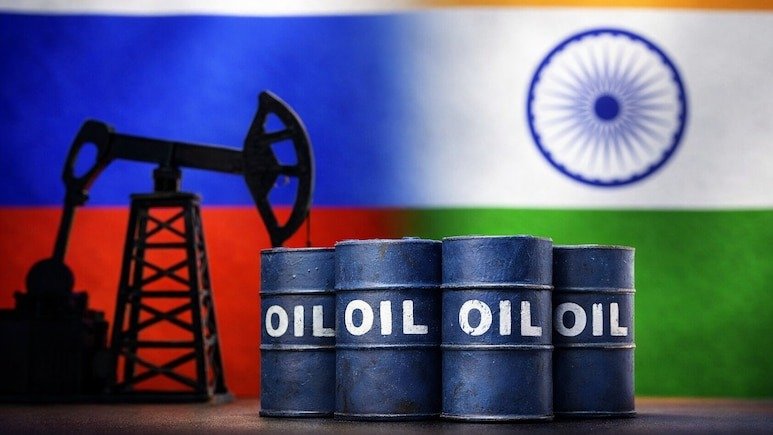
NEW DELHI – In a sharp strategic pivot, the Indian government is weighing an emergency plan to significantly increase Russian crude oil imports. The move comes as the Strait of Hormuz—a critical global energy chokepoint—faces severe disruptions following a massive escalation of conflict in the Middle East.
Government sources indicate that India is activating a multi-front contingency strategy to safeguard its energy supplies. This shift occurs just one month after New Delhi had reportedly moved to wind down Russian oil purchases as part of a trade agreement with the United States.
Emergency Energy Measures Under Review
| Strategy | Action Plan |
| Sourcing | Stepping up purchases of discounted Russian crude. |
| Logistics | Identifying alternative shipping routes to bypass the Persian Gulf. |
| Domestic Controls | Reviewing potential curbs on petrol and diesel exports. |
| Rationing | Assessing higher LPG rationing for non-essential sectors. |
Geopolitical Context: A Region on the Brink
The urgency follows the reported death of Iran’s Supreme Leader, Ayatollah Ali Khamenei, which has plunged the region into further instability. With Iran threatening to target foreign vessels in the Strait of Hormuz, global oil markets have been jolted by the risk of a total blockade.
Currently, approximately 2.5 million to 2.7 million barrels of India-bound oil pass through the Strait daily. As the world’s third-largest oil importer, India is particularly vulnerable; current commercial and strategic reserves are estimated to cover only about two weeks of national consumption.
The Russian Pivot
Despite recent diplomatic pressure to diversify away from Moscow, the “ready availability” of Russian barrels—many of which are already in floating storage in Asian waters—presents a pragmatic solution for Indian refiners. By pivoting back to Russian seaborne crude, India aims to mitigate the “war premium” currently driving up Middle Eastern prices and ensure the continuity of its domestic fuel supply.
“Securing energy for our citizens is the primary mandate. We are reviewing all options, including spot purchases and deepening contracts with alternative suppliers, to prevent any supply-side shocks,” a senior official stated.