



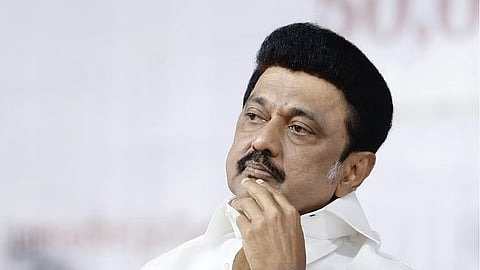
CHENNAI (Feb 16, 2026) — With just two months remaining before the Tamil Nadu Assembly elections, Chief Minister MK Stalin has formally requested Prime Minister Narendra Modi to provide a “humane and pragmatic” solution for the 89,000 Sri Lankan Tamils living in the state.
In a letter sent on Sunday, Stalin characterized the issue as one of “profound humanitarian, constitutional, and national importance,” highlighting that many have lived in legal limbo for over 40 years.
The Current Landscape (2026)
Despite living in India for decades, the legal status of this community remains precarious:
-
Population: Approximately 89,000 individuals reside in Tamil Nadu, with roughly 58,000 in 104 government-run rehabilitation camps and 31,000 in urban settlements.
-
India-Born Generation: Nearly 40% of the current population was born on Indian soil and has never visited Sri Lanka.
-
The 2025 Exemption: While the Immigration and Foreigners (Exemption) Order, 2025 protected those who arrived before January 9, 2015, from deportation and penal action, it did not provide a clear pathway to citizenship.
Key Demands from the Chief Minister
Stalin’s appeal, based on recommendations from a State Advisory Committee, includes:
-
Rescinding the 1986 Directive: Revoking a Ministry of Home Affairs instruction that bars the consideration of citizenship applications from Sri Lankan Tamils.
-
Document Waivers: Waiving passport and visa requirements for citizenship or Long-Term Visa (LTV) applications, utilizing verified identity documents already issued by the Tamil Nadu government.
-
Decentralized Processing: Delegating authority to district-level officials to streamline applications.
-
Legal Clarification: Formally declaring that registered refugees sheltered before 2015 should not be classified as “illegal migrants.”
Political Context
The move comes as the Immigration and Foreigners Act, 2025—which consolidated colonial-era laws—has heightened the debate over “strategic autonomy” in refugee policy. While India recently granted citizenship pathways to six minority communities from other neighboring countries, Sri Lankan Tamils remain excluded from the Citizenship Amendment Act (CAA), a point the DMK is foregrounding as a key campaign theme regarding Tamil identity.