



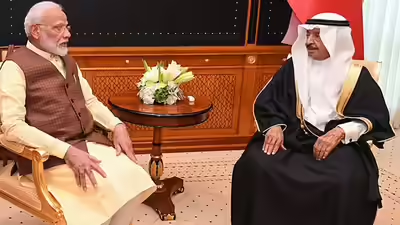
NEW DELHI — Prime Minister Narendra Modi held a high-stakes telephonic conversation with King Hamad Bin Isa Al Khalifa of Bahrain on March 20, 2026, marking a significant diplomatic intervention as the Middle East faces unprecedented volatility. While the call included Eid al-Fitr greetings, the core focus remained the cascading security crisis following the February 28 strikes in Iran.
Strategic Condemnation & Global Security
In a direct address of the conflict’s economic fallout, the Prime Minister issued a firm condemnation of the recent targeting of energy and civilian infrastructure:
-
The “3F” Impact: PM Modi warned that these attacks are destabilizing global Food, Fuel, and Fertilizer security—sectors where India maintains critical vulnerabilities.
-
Maritime Safety: Both leaders emphasized the absolute necessity of freedom of navigation, specifically calling for shipping lanes to remain open and secure against drone and missile threats.
-
Diaspora Welfare: The PM expressed gratitude for Bahrain’s continued support of the Indian community, which has faced heightened anxiety due to regional tensions.
India’s “Vishwa Mitra” Diplomacy
This call is part of an intensive diplomatic marathon by New Delhi to prevent a total regional collapse. In just the last 48 hours, PM Modi has engaged with:
-
Jordan: Discussed “dialogue and diplomacy” with King Abdullah II while praising Jordan’s role in evacuating stranded Indians.
-
Oman: Reiterated India’s condemnation of the violation of Oman’s sovereignty and discussed the security of the Strait of Hormuz.
-
France: Spoke with President Emmanuel Macron to coordinate a Western-Asian push for de-escalation.
-
Regional Bloc: Conducted similar outreach with leaders in UAE, Kuwait, Qatar, and Saudi Arabia.
The Escalation Context
The diplomatic flurry follows the February 28 strikes by U.S. and Israeli forces that killed Iran’s Supreme Leader and top military brass. The subsequent retaliatory drone and missile strikes by Iran have turned the Gulf into a high-risk zone, directly threatening the India-Middle East-Europe Economic Corridor (IMEC) and India’s energy transit routes.