



Islamabad | April 11, 2026 — As high-level delegations from the U.S. and Iran descend on Pakistan for historic peace negotiations, President Donald Trump has declared that Washington has “no Plan B,” asserting that Iran’s military is too degraded to resist American objectives.
The Islamabad Summit
A U.S. team led by Vice President JD Vance arrived in Islamabad on Saturday morning to meet with Iranian officials at the Serena Hotel. This marks the highest-level direct engagement between the two nations since the 1979 Revolution, aimed at ending nearly six weeks of intense conflict in the Middle East.
Trump’s Hardline Stance
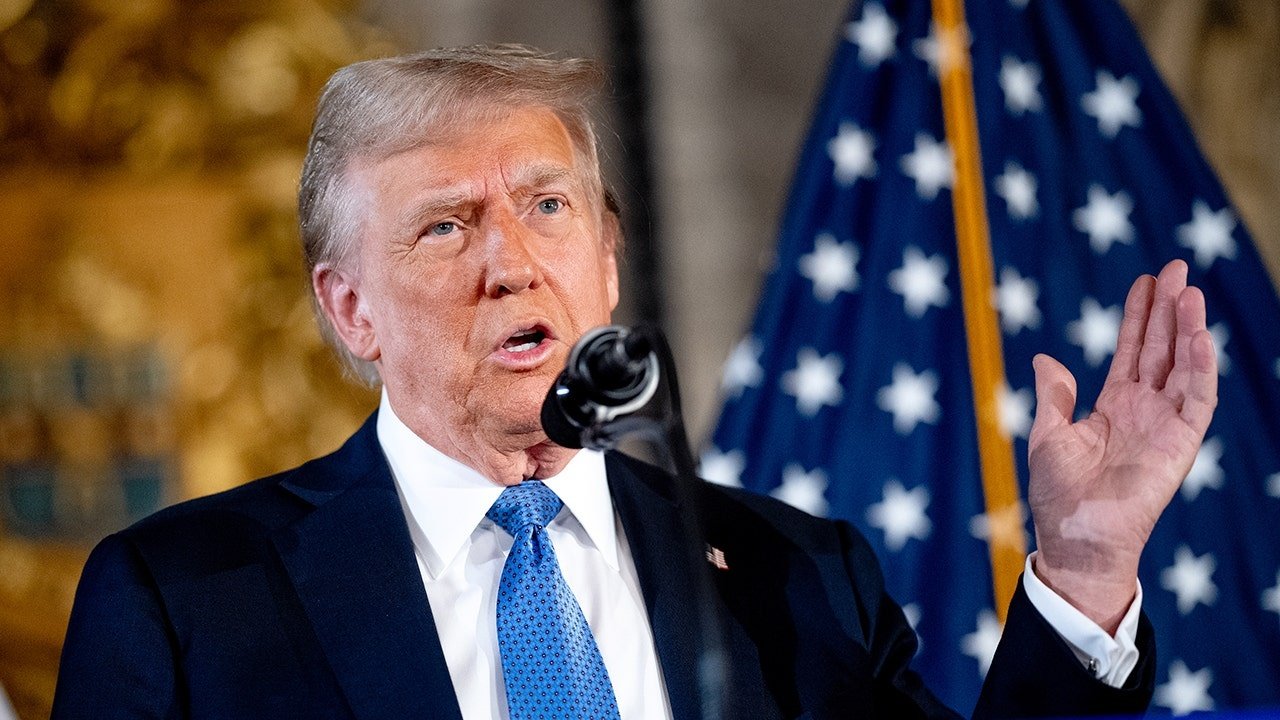
Speaking at Joint Base Andrews, President Trump dismissed the necessity of a backup strategy, citing the success of recent military operations:
-
Military Dominance: Trump claimed Iran’s military is “defeated,” stating their missile and manufacturing capabilities have been severely crippled by U.S.-Israeli strikes.
-
Strait of Hormuz: The President issued a fresh threat regarding the critical energy corridor, declaring the U.S. will reopen the Strait “with or without a deal.”
-
Direct Warning: “They’re militarily defeated… we’re going to be on the straight [Strait of Hormuz] as they call it,” Trump told reporters.
Regional Stakes & Uncertainty
The talks, mediated by Pakistan Prime Minister Shehbaz Sharif, seek to formalize a two-week ceasefire. However, the path to peace remains precarious:
-
Escalation Amidst Diplomacy: Even as talks begin, reports indicate the U.S. has deployed additional forces to the region.
-
Mutual Distrust: Both sides have already accused the other of violating the preliminary commitments required to sustain the temporary pause in hostilities.
While the diplomatic world watches Islamabad, Trump’s “no backup plan” rhetoric suggests that if a deal is not reached on U.S. terms, a major military move to forcibly reopen global shipping lanes may be imminent.