



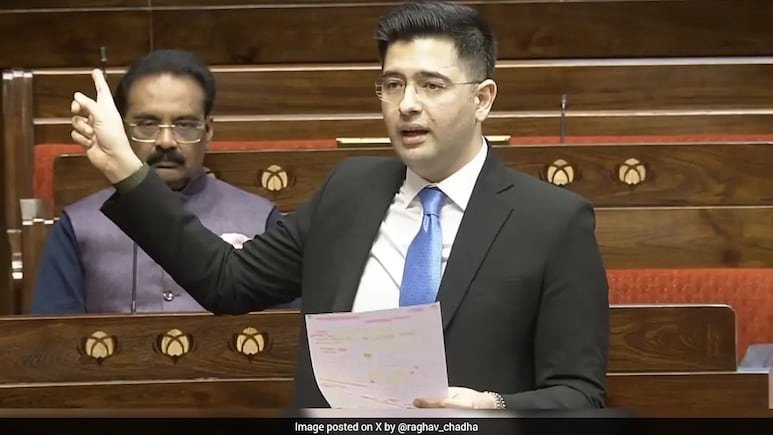
NEW DELHI (Feb 11, 2026) – Aam Aadmi Party (AAP) Rajya Sabha MP Raghav Chadha has made a strong legislative push for the introduction of a “Right to Recall” mechanism in India. Speaking during the Zero Hour, Chadha argued that the current five-year term for elected representatives lacks an immediate accountability framework, often leaving voters “in the dark” once the election cycle ends.
The Argument for Accountability
Chadha highlighted what he described as a fundamental disconnect in Indian electoral politics: “Before the election, the leader is after the public; after the election, the public is after the leader.”
-
Accountability Gap: He argued that five years is too long for a region to suffer under a “non-performing asset.”
-
Democratic Insurance: He framed the Right to Recall not as a threat to politicians, but as an essential safeguard to ensure representatives remain responsive to their constituents’ needs.
-
Global Precedents: Chadha pointed to over 24 successful democracies, including Switzerland and Canada, and cited the 2003 recall of California Governor Gray Davis as a prime example of voter empowerment.
Proposed Safeguards & Framework
To prevent the mechanism from being misused for political vendettas, Chadha proposed a structured implementation:
-
Minimum Performance Period: A recall petition could only be initiated after a representative has served at least 18 months.
-
High Threshold: A recall would require a significant mandate, such as 50% voter approval in a special recall election.
-
Local Success: He noted that similar provisions already exist at the local level in Indian states like Karnataka, Madhya Pradesh, and Rajasthan, where Gram Sabha members can recall their panchayat representatives.
Right to Recall: Proposed Structure
| Feature | Details |
| Applicability | MPs and MLAs |
| Cooling-off Period | 18 months post-election |
| Recall Trigger | Specific petition signed by a set percentage of the electorate |
| Success Metric | 50% or more approval in a formal recall vote |