



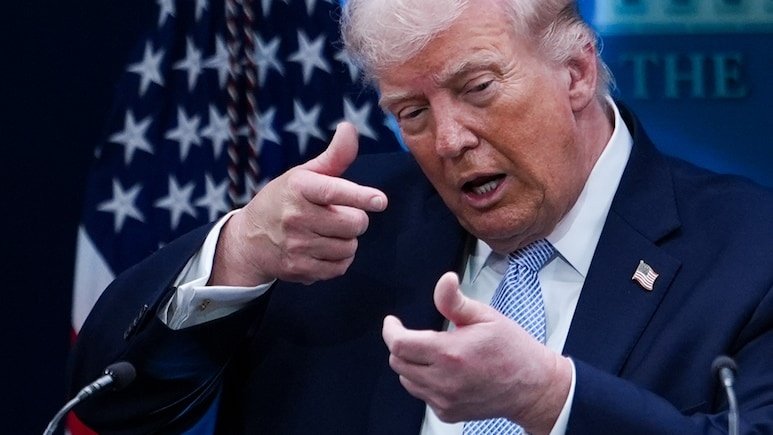
WASHINGTON / ISLAMABAD – Following the collapse of high-stakes negotiations in Islamabad, U.S. President Donald Trump is reportedly weighing limited military strikes against Iranian infrastructure alongside an active naval blockade of the Strait of Hormuz.
The 21-hour face-to-face talks, led by Vice President JD Vance and special envoys including Jared Kushner, ended without a deal after Iran refused to accept core U.S. demands regarding its nuclear program.
Escalation Measures & U.S. Demands
President Trump confirmed via Truth Social that while most points were agreed upon, the impasse over uranium enrichment led to the breakdown. In response, he has ordered the U.S. Navy to interdict any vessel paying “illegal tolls” to Iran and to begin clearing mines in the Strait.
Key U.S. Conditions for Future Talks:
-
Nuclear Shutdown: Full cessation of uranium enrichment and dismantling of facilities.
-
Maritime Freedom: Opening the Strait of Hormuz to all traffic without tolls.
-
Regional Security: Ending support for proxy groups like Hezbollah and the Houthis.
Strategic Targets & Regional Risks
In an appearance on Fox News, Trump indicated that Iranian desalination plants and electric-generating facilities are “very easy to hit,” though aides suggest he remains open to a diplomatic path to avoid an extended military entanglement.
While Iranian officials described the Islamabad talks as a “foundation” for future diplomacy, the White House has maintained that all options remain on the table to end what they term “world extortion” by Tehran. The move has placed the global energy market on high alert as the status of a fragile two-week ceasefire remains uncertain.