



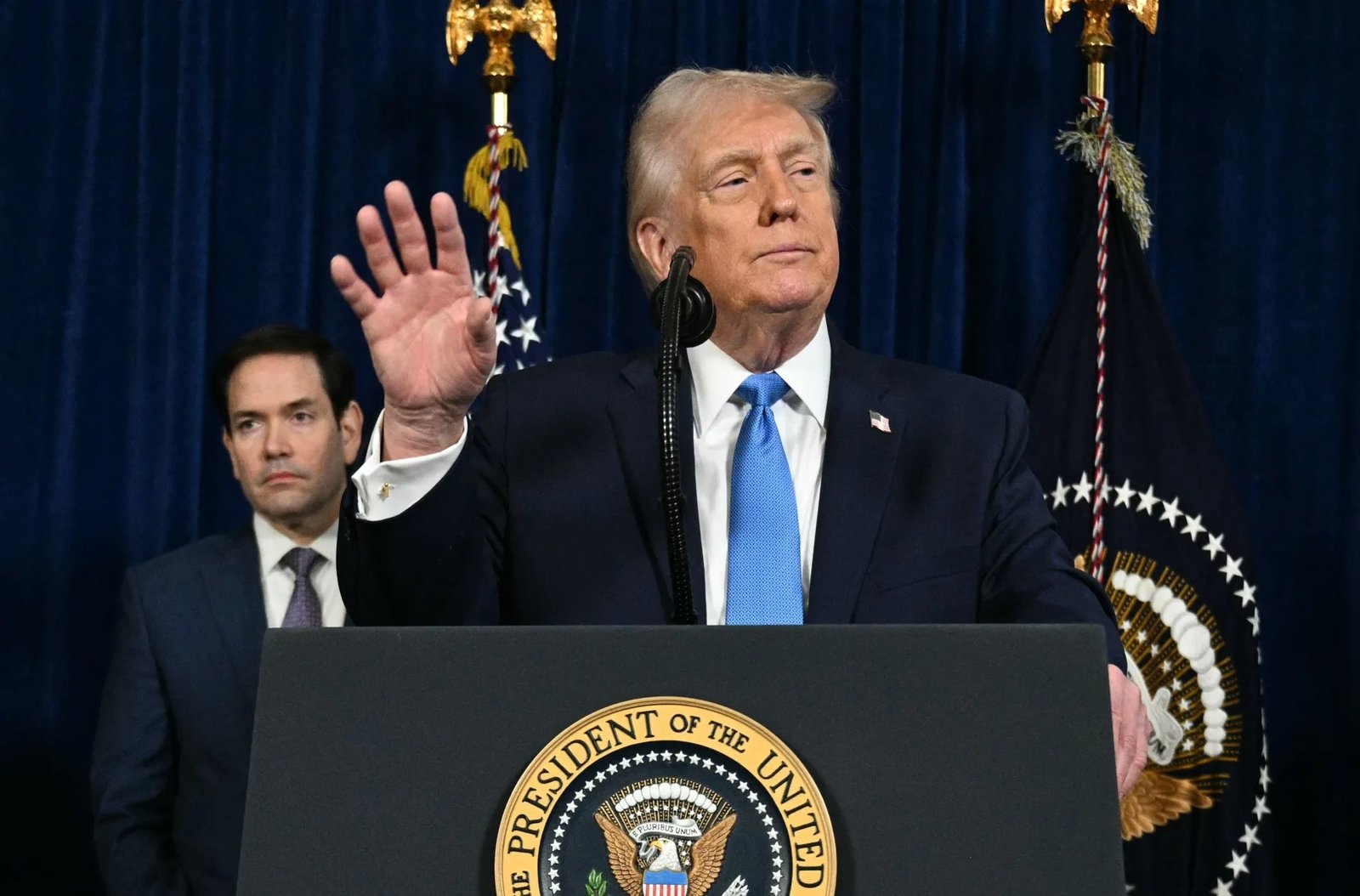
In a move that has sent shockwaves through the global community, U.S. forces conducted a high-stakes midnight raid in Caracas, capturing Venezuelan leader Nicolas Maduro and transporting him to a New York detention center. The operation, executed by the elite Delta Force, has fundamentally altered the geopolitical landscape, leading to Delcy Rodriguez assuming the Venezuelan presidency under heavy U.S. influence. Following the capture, Ukrainian President Volodymyr Zelensky suggested a similar fate might await Vladimir Putin; however, President Donald Trump has downplayed such a mission, citing his desire for a settled resolution despite being “very disappointed” with the Russian leader.
The Capture of Nicolas Maduro: Operational Details
The tactical operation, which occurred just days into the new year, followed a “might is right” doctrine:
-
The Strike: The mission began shortly after midnight in Caracas with coordinated U.S. airstrikes to disable local defenses.
-
The Force: Delta Force units breached the presidential mansion, taking Maduro and his wife, Cilia Flores, into custody.
-
The Extraction: Maduro was flown to a U.S. military base before being moved to New York via the USS Iwo Jima, a high-capacity amphibious assault ship.
-
The Aftermath: Vice President Delcy Rodriguez has taken over as President, while the Trump administration moves to secure control over Venezuela’s massive oil exports.
The Russia-Ukraine Dimension
The arrest has emboldened U.S. allies, particularly Ukraine, which remains under heavy Russian offensive pressure.
| Leader | Perspective on “What’s Next” |
| Volodymyr Zelensky | Hinted that if Maduro was “dragged from his bed,” the U.S. “knows what to do next” regarding Putin and his ICC war crimes warrant. |
| Donald Trump | Stated a capture mission for Putin is “not necessary,” despite expressing deep disappointment over the ongoing death toll in Ukraine (31,000 casualties last month). |
| Vladimir Putin | Currently remains in Moscow, facing an active International Criminal Court (ICC) arrest warrant for alleged war crimes. |
Economic and Conflict Outlook
During a meeting with top oil and gas executives, President Trump reflected on the human cost of the conflict and his broader foreign policy goals:
-
“Settling” the War: Trump claimed to have settled eight previous wars and expressed regret that the Russia-Ukraine conflict hasn’t been resolved as quickly as he anticipated.
-
Economic Pressure: He noted that the Russian economy is performing poorly, which he believes will eventually force a settlement.
-
Oil Control: With Maduro out of the picture, the U.S. is positioned to exert significant influence over Venezuelan heavy crude (Merey), a move analysts believe will be used as leverage in global energy markets.
Strategic Takeaway
The “Maduro precedent” marks a radical shift in U.S. foreign policy, moving from economic sanctions to direct kinetic intervention against heads of state. While Trump has signaled he prefers a diplomatic “settlement” with Putin, the sheer scale of the Caracas operation serves as a stark warning to leaders currently at odds with Washington.