



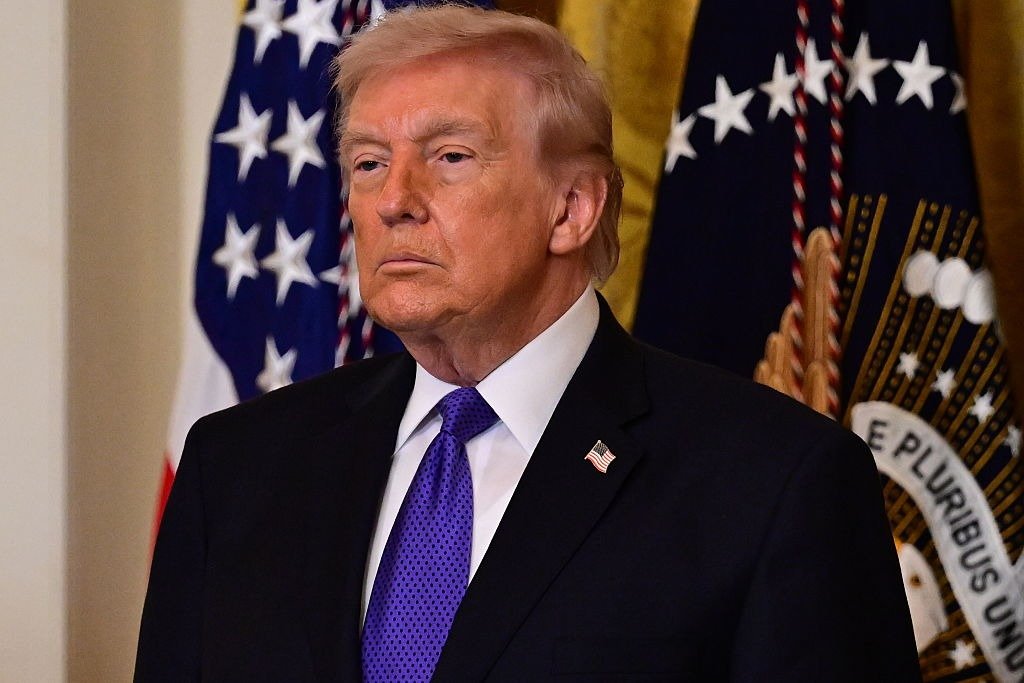
WASHINGTON — President Donald Trump has issued a sharp warning to NATO allies and major global economies, stating that the future of the alliance depends on their willingness to assist the U.S. in reopening the Strait of Hormuz. The strategic waterway, responsible for 20% of global oil shipments, has been effectively closed since the outbreak of the U.S.-Iran-Israel conflict two weeks ago.
In an interview with the Financial Times, Trump emphasized that nations benefiting most from Gulf oil—specifically in Europe and Asia—must bear the military and financial burden of securing it.
The Demands: A “Team Effort”
-
Practical Military Aid: Trump is calling for allies to provide minesweepers and naval forces to counter Iranian drones and sea mines.
-
Targeted Nations: The President explicitly named China, France, Japan, South Korea, and the UK as partners who must join the “team effort.”
-
Britain in the Crosshairs: Trump voiced public frustration with UK Prime Minister Keir Starmer, claiming the UK was hesitant to commit forces immediately. “When I asked for them to come, they didn’t want to come,” he stated.
Global Economic & Diplomatic Stakes
-
Oil Shock: Brent crude has surged to $106 per barrel, a 45% increase since the conflict began on February 28.
-
China Summit at Risk: Trump indicated that his upcoming summit with President Xi Jinping could be postponed. He argued that since China receives “90% of its oil from the Straits,” waiting until the summit to act would be “too late.”
-
Escalation Warning: The President threatened fresh strikes on Kharg Island, Iran’s primary oil export hub, noting that the U.S. military could “hit that in five minutes.”
Strategic Context
The shutdown of the Strait of Hormuz by Iran was a direct response to joint U.S.-Israeli strikes that killed Supreme Leader Ayatollah Ali Khamenei. While Saudi Arabia has offered buyers a Red Sea bypass option, the logistical strain has already sent global stock markets into a slump.