



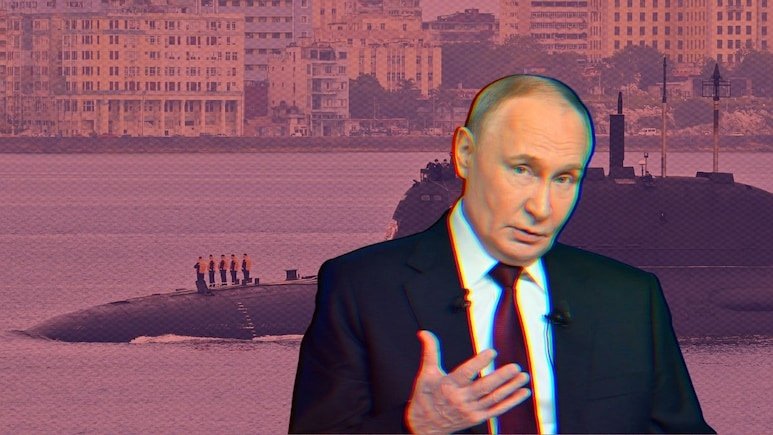
London | April 10, 2026 — The UK and Norway have concluded a month-long joint military operation aimed at deterring Russian submarines operating suspiciously near vital undersea cables and pipelines in the North Atlantic. UK Defence Secretary John Healey confirmed that the mission successfully exposed and halted “malign activity” directed at Europe’s critical infrastructure.
The Shadow Mission Exposed
The operation involved a coordinated effort of warships, aircraft, and hundreds of personnel to track a Russian Akula-class attack submarine and two specialized spy vessels from Moscow’s Main Directorate for Deep Sea Research (GUGI).
Key details of the encounter include:
-
The Target: Strategic underwater data cables and energy pipelines located north of the UK.
-
The Tactics: British and Norwegian forces monitored the vessels for 30 days, ensuring their movements were never covert.
-
The Outcome: The Russian submarines retreated after being shadowed continuously, leaving no doubt that their “secret operation” had been compromised.
Strategic Deterrence
Defence Secretary Healey framed the operation as a direct message to President Vladimir Putin, asserting that the UK remains focused on European security despite global distractions.
“Putin would want us to be distracted by the Middle East,” Healey stated. “We will not take our eyes off Putin. We see your activity over our cables and our pipelines… any attempt to damage them will have serious consequences.”
Broadening the Scope of Defense
The mission highlights increasing British vigilance toward Russian maritime activities:
-
Infrastructure Protection: Officials noted an uptick in Russian interest in deep-sea infrastructure since the onset of the Ukraine conflict.
-
Shadow Fleet Crackdown: In late March, the UK expanded its maritime mandate to include the interception of Russia’s “shadow fleet”—vessels used to transport sanctioned oil.
-
Iran-Russia Links: British intelligence continues to monitor the flow of drone technology and military support between Moscow and Tehran.
This successful joint operation underscores a major shift in British maritime policy, moving toward a more proactive role in intercepting and seizing vessels that threaten international sanctions or regional security.