



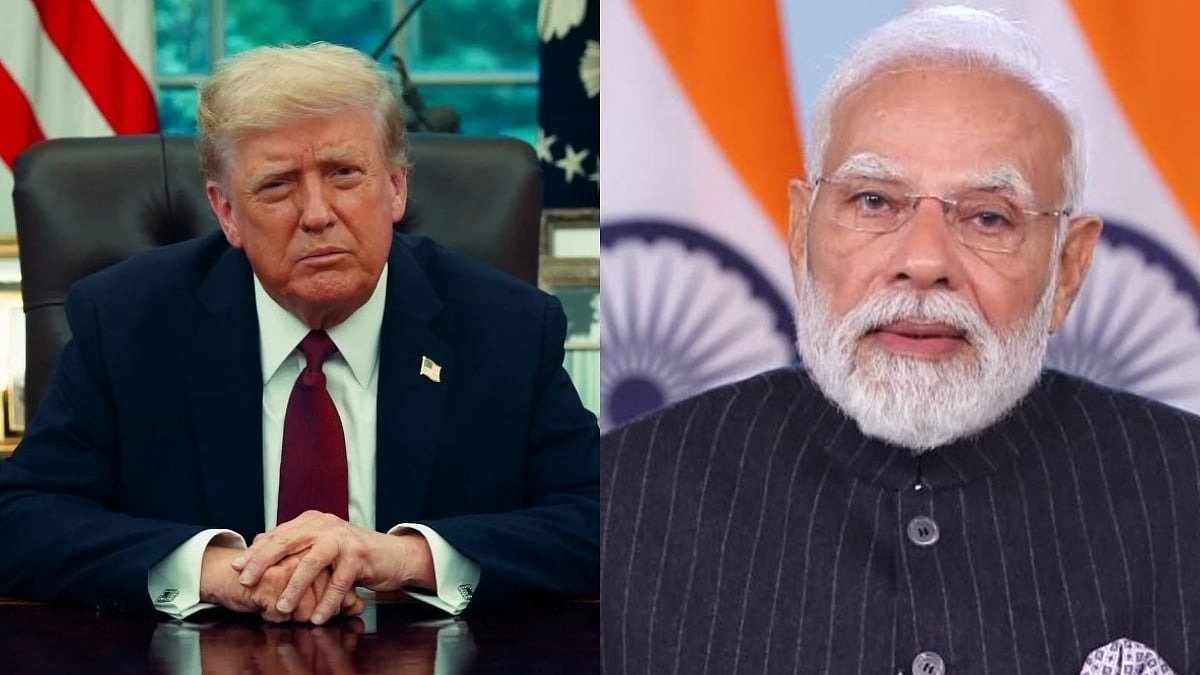
The path toward a comprehensive India-US trade agreement has hit a new hurdle as pulses (lentils, chickpeas, and peas) become a focal point of contention. US Senators Steve Daines (Montana) and Kevin Cramer (North Dakota) have written to President Donald Trump, urging him to pressure Prime Minister Narendra Modi to remove a 30% import duty on American pulses. The lawmakers argue that these tariffs, which went into effect on November 1, 2025, place US farmers at an “unfair competitive disadvantage” in the world’s largest pulse-consuming market. This development comes as both nations attempt to “rebalance” trade disparities amidst a backdrop of reciprocal punitive tariffs.
Key Points of the Trade Dispute
-
The Contention: A 30% tariff on American yellow peas and other pulse crops.
-
The Catalyst: India’s tariff was a response to the Trump administration’s 50% punitive tariffs previously imposed on certain Indian trade sectors.
-
US Stakeholders: Montana and North Dakota (top US pulse producers).
-
India’s Role: The world’s largest consumer of pulses, accounting for 27% of global consumption.
- Lawmakers’ Goal: To include favorable pulse crop provisions in any upcoming bilateral trade agreement.
Historical Context: A Recurring Theme
The current friction mirrors trade tensions from Trump’s first term, creating a sense of “deja vu” in diplomatic circles: