



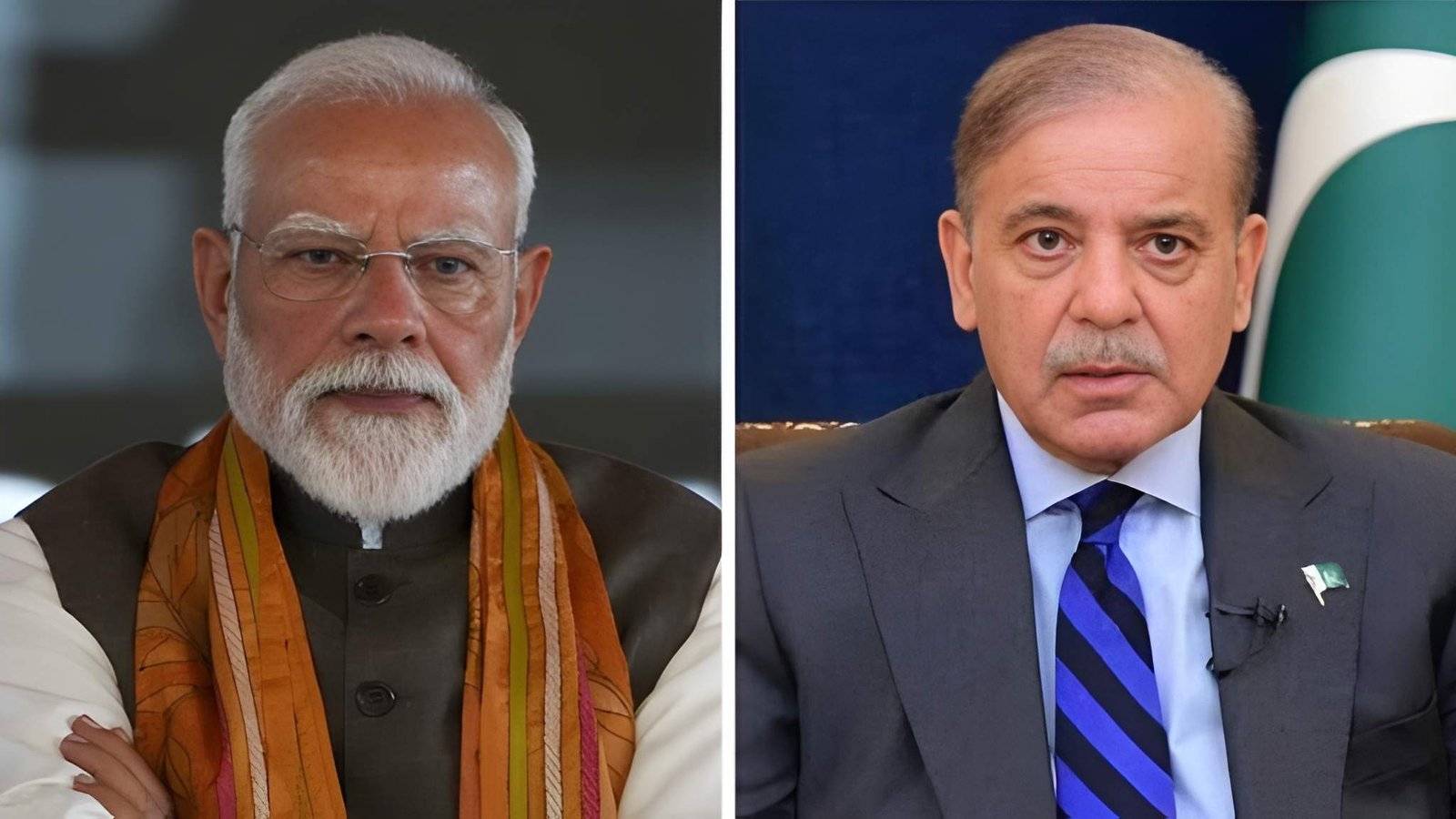
NEW DELHI — In a major civil society initiative aimed at thawing frosty cross-border relations, a coalition of 117 eminent personalities from both India and Pakistan have co-signed a joint letter addressed to Indian Prime Minister Narendra Modi and Pakistani Prime Minister Shehbaz Sharif. The letter urges both heads of state to reopen closed diplomatic channels and formally restart bilateral dialogue.
The initiative has been heavily driven by O.P. Shah, chief of the New Delhi-based Centre for Peace and Progress. Shah stated that the current prolonged diplomatic freeze between the two neighboring nuclear powers is “far from comfortable” and directly harms the daily lives, livelihoods, and economic well-being of ordinary citizens across the subcontinent.
Prioritizing Economic Well-Being Over Conflict
The joint appeal underlines that sustained peace and normal diplomatic ties are foundational to the economic development of both South Asian nations. The signatories argue that any escalatory environment that edges the countries closer to conflict diverts crucial resources away from developmental goals and regional prosperity.
Key highlights of the civil society memorandum include:
-
Unbroken Communication: A call for establishing multi-level, continuous diplomatic engagement that remains uninterrupted by political cycles or sudden geopolitical friction.
-
Mutual Understanding: The belief that regular, structured talks help both administrations better comprehend each other’s national security concerns and political limitations.
-
Broad Public Mandate: The assertion that a vast, often unheard majority of citizens within both countries actively support peace initiatives over military posturing.
“There should be no interruption in communication between India and Pakistan. Talks should continue, and all issues, including terrorism and security concerns, should be discussed through diplomatic engagement.” — O.P. Shah, Head of the Centre for Peace and Progress
Addressing Hard Security Concerns and “Operation Sindoor”
When questioned about India’s historically rigid stance on cross-border terrorism—specifically referring to past major strikes like the 26/11 Mumbai attacks, Pulwama, and Pahalgam—Shah maintained that terrorism itself should be an active agenda item within the dialogue process rather than a reason to avoid it altogether.
The appeal comes at a delicate geopolitical juncture, following India’s recent hardline security maneuvers under Operation Sindoor and subsequent firm warnings issued to Islamabad regarding future cross-border incursions. Despite these high-voltage defense postures, the signatories emphasize that diplomatic discussions remain the only viable mechanism to resolve deep-rooted adversarial issues.