



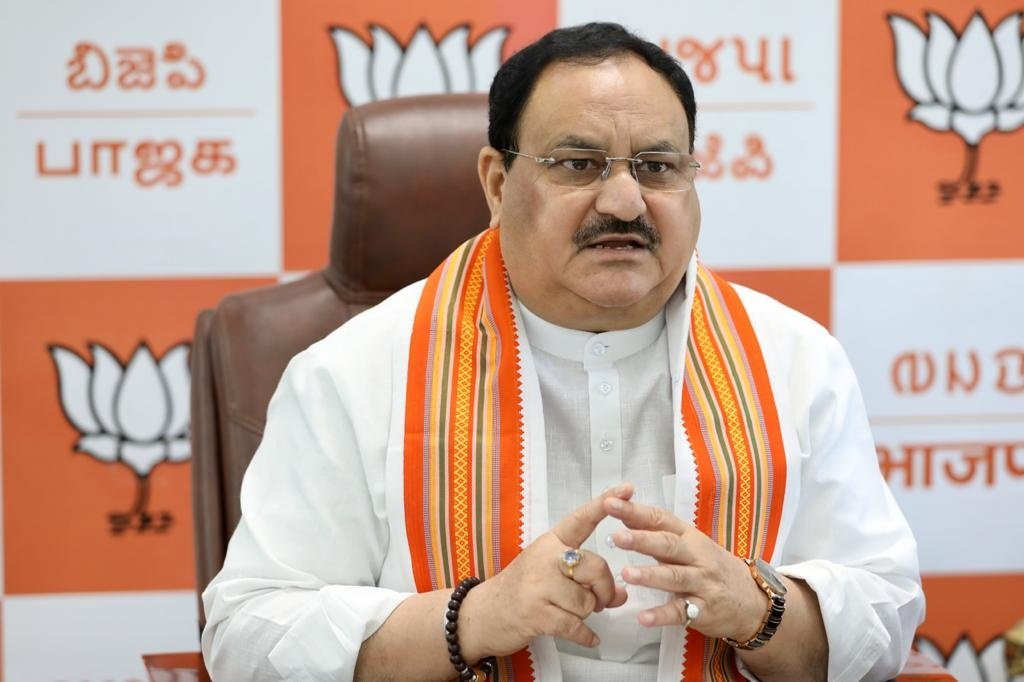
NEW DELHI — Union Health Minister Jagat Prakash Nadda announced on Tuesday that combating Non-Communicable Diseases (NCDs) has become a top national priority, as these conditions now account for 60% of all deaths in India.
Speaking at the 18th Civil Services Day, Nadda emphasized a strategic shift in India’s healthcare philosophy, moving from a purely curative model toward a comprehensive “preventive to care” approach.
Expanding the Safety Net: Ayushman Arogya Mandirs
The Minister highlighted the massive expansion of primary healthcare infrastructure designed to catch NCDs early.
-
1.85 Lakh Centers: Over 1.85 lakh Ayushman Arogya Mandirs have been established as the primary point of contact for India’s 1.45 billion citizens.
-
Specialized Care: The government has developed 107 district-level NCD clinics and 233 cardiac care units.
-
Future Infrastructure: Nadda confirmed that every district in the country will soon feature a dedicated day-care cancer center.
Massive Screening Milestones
Under the National Programme for Prevention and Control of NCDs, the government has launched one of the world’s largest screening initiatives.
| Condition | Screened | Diagnosed/Under Treatment |
| Hypertension | 41.5 Crore | 7.1 Crore |
| Diabetes | 41.3 Crore | 4.7 Crore |
| Oral Cancer | 35.3 Crore | 2.3 Lakh |
| Breast Cancer | 16.5 Crore | Ongoing |
A Holistic Health Vision
Nadda underscored that while India has made significant strides in managing communicable diseases, NCDs present a unique challenge due to longer outcome timelines and a persistent “knowledge gap” among the public.
“In 2017, we moved toward a holistic health policy focusing on preventive, promotive, curative, geriatric, rehabilitative, and palliative care,” Nadda stated. “Strengthening infrastructure and ensuring timely referrals are the core pillars of making India healthy.”
The Minister concluded that the focus remains on early detection, noting that notifying and treating millions of patients for hypertension and diabetes is the first step in reducing the national mortality rate associated with lifestyle diseases.