



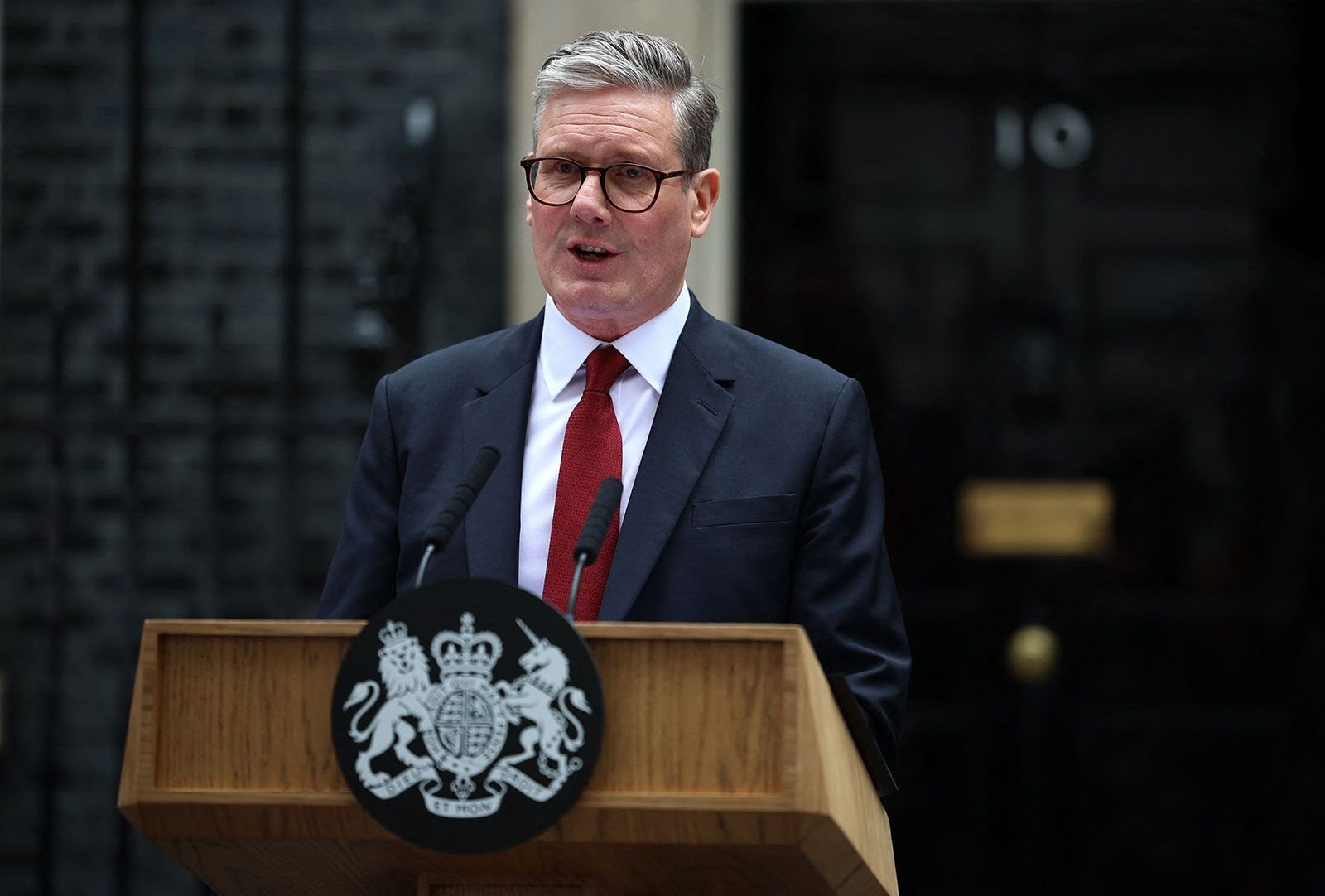
LONDON — Prime Minister Keir Starmer is set to fast-track legislation to deepen ties with the European Union, as tensions with U.S. President Donald Trump over the war in Iran fracture the traditional UK-US alliance.
The British government will reportedly introduce an “EU Reset” bill next month, designed to align UK standards with the EU single market—a move known as “dynamic alignment.” The shift comes a decade after the Brexit vote, fueled by Trump’s unpredictability and recent insults directed at the UK government.
The “Special Relationship” Under Pressure
The rift between London and Washington has widened significantly due to the ongoing conflict in the Middle East:
-
Military Friction: Starmer’s refusal to join initial U.S. and Israeli strikes on February 28 reportedly angered Trump, despite the UK later allowing limited use of its bases for defensive purposes.
-
Trade Threats: In a recent interview, Trump threatened to scrap a key US-UK trade deal that protected Britain from his administration’s global tariff blitz.
-
Economic Fallout: The IMF warned this week that the UK will be the advanced economy hardest hit by the Iran conflict, prompting London to seek “economic resilience” through European partnerships.
The EU “Reset” Roadmap
King Charles III is expected to announce the legislative plans on May 13. Key components of the reset include:
-
Standard Alignment: Giving ministers powers to adopt EU rules to ease red tape on food, plants, and energy exports.
-
Electricity Integration: A deal to integrate the UK back into the EU’s internal electricity market.
-
Youth Mobility: Finalizing a scheme for young citizens to move between the UK and the bloc, potentially ahead of a summit in Brussels this summer.
“Independent UK trade policy looks much harder, the prospects of working with the EU much brighter,” noted trade expert David Henig.
While Starmer remains firm on not rejoining the single market or returning to full free movement, the rising cost-of-living pressures—which Chancellor Rachel Reeves blamed on Trump’s lack of a “clear exit plan” for the war—have softened public opposition to closer European ties. However, the move has already been branded a “betrayal” by Nigel Farage and his surging Reform UK party.