



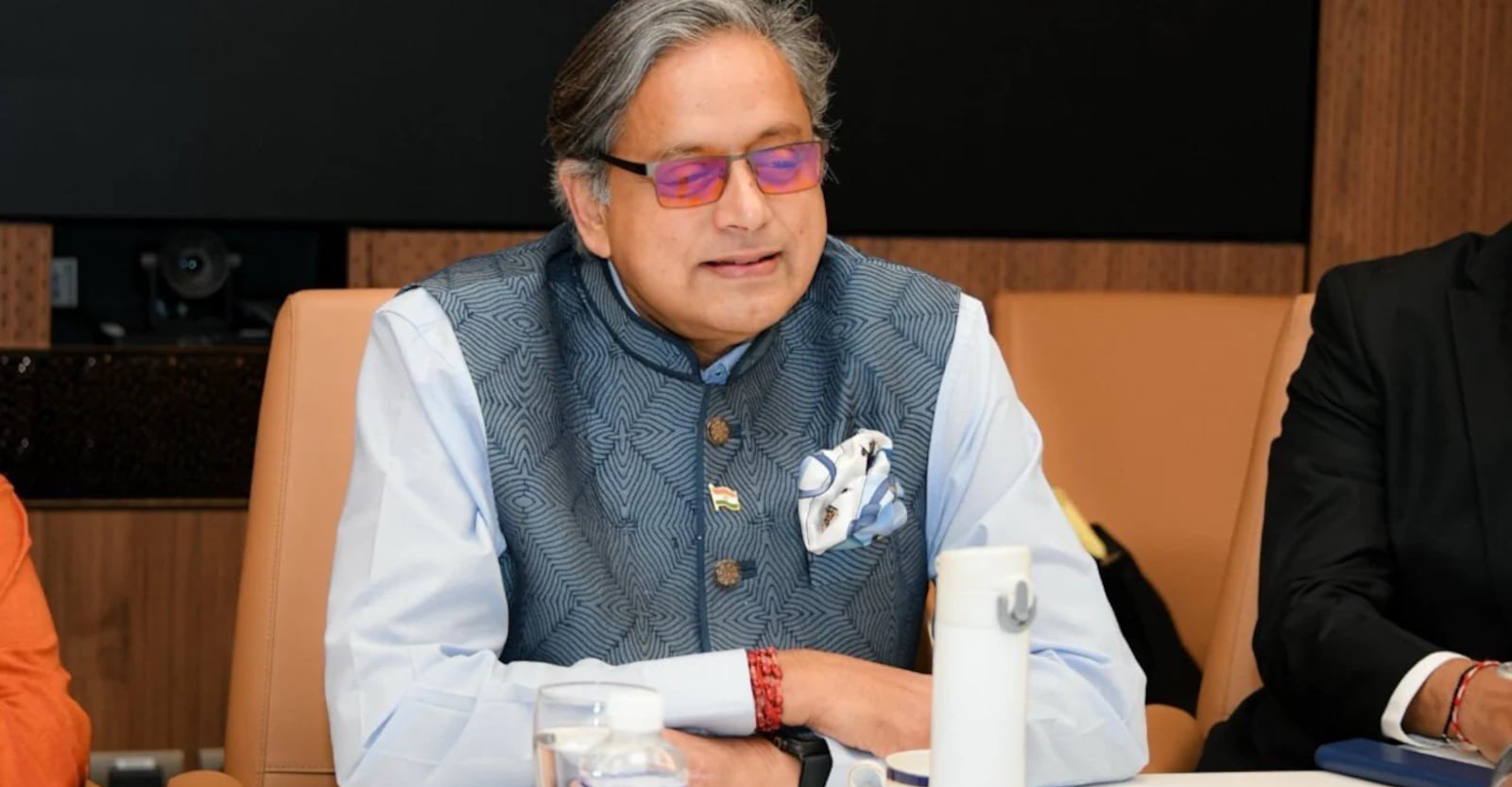
NEW DELHI — A political controversy erupted on Monday after Congress MP Shashi Tharoor targeted the central government for omitting official congratulations to South African jurist Navanethem “Navi” Pillay following her selection for the 2026 Nobel Peace Prize.
Pointing to Pillay’s ancestral roots in Tamil Nadu, Tharoor criticized official channels for ignoring her international milestone, while online commentators pushed back by raising questions regarding broader opposition responses.
Key Takeaways
-
Opposition Opposition Criticizes Omission: Congress lawmaker Shashi Tharoor termed the absence of state greetings for Indian-origin Nobel Peace laureate Navi Pillay as “deplorable” and politically shortsighted.
-
Celebrations in Tamil Nadu: Relatives and local communities across Tamil Nadu’s Dindigul district celebrated Pillay’s global recognition, honoring her family’s historic lineage.
-
Historic Legal Legacy: Pillay overcame systemic apartheid barriers to become South Africa’s first non-white female High Court judge, later serving as UN High Commissioner for Human Rights and establishing landmark international legal precedents against genocide.
-
Public Pushback: Critics on social media countered Tharoor’s statements, pointing to instances where opposition figures similarly refrained from commenting on key national events.
Struggle Against Apartheid and Judicial Career
Born to a bus driver in Durban in 1941, Navi Pillay overcame financial hardship and racial segregation to earn a doctorate from Harvard Law School.
Establishing her own firm in 1967 when white-dominated practice groups refused to hire her, Pillay defended political prisoners and fought for legal access for anti-apartheid leaders held on Robben Island, including Nelson Mandela.
“It’s been six days since this remarkable woman of Indian origin won the Nobel Peace Prize. And the government of India, her ancestral homeland, hasn’t so much as congratulated her?”
Global Impact on Human Rights
Pillay’s judicial tenure included presiding over the International Criminal Tribunal for Rwanda, where she authored the landmark 1998 Akayesu ruling that recognized systematic sexual violence as an act of genocide under international law.
While the Norwegian Nobel Committee recognized her lifelong defense of civil liberties and global accountability, the domestic political exchange highlights ongoing debates surrounding the official acknowledgment of diaspora achievements.