



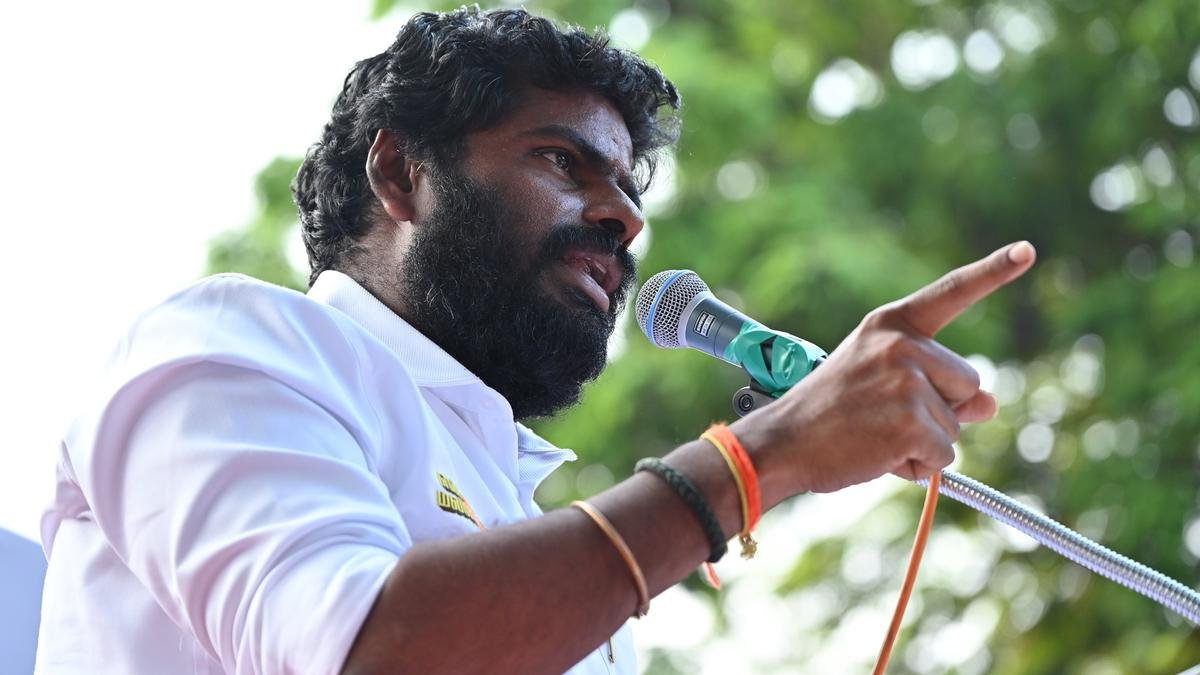
NEW DELHI — A high-profile political exchange has erupted between former Tamil Nadu BJP president K. Annamalai and his former party colleagues following his public criticism of the Central Government’s handling of recent activist detentions in the capital.
The former IPS officer-turned-politician, who stepped down from the ruling party earlier this year, publicly condemned the detention of Cockroach Janta Party (CJP) leaders Saurav Das and Ashutosh Ranka, characterizing the routine labeling of political dissenters as “anti-national” or “foreign agents” as an exhausted narrative.
Key Takeaways
-
Scathing Critique of Executive Actions: K. Annamalai criticized the preventive detention and procedural handling of CJP leaders, defending the fundamental right to peaceful protest regardless of political alignment.
-
Historical Parallels Cited: The former leader recalled Prime Minister Narendra Modi’s 2011 statements as Gujarat Chief Minister condemning central police action against demonstrators at Ramlila Maidan, arguing that constitutional rights to oppose government policy remain universal.
-
Rejection of “Foreign Agent” Narratives: Annamalai dismissed claims that all domestic protests against the central government are orchestrated by external entities, pointing out that state security and intelligence agencies operate under central jurisdiction.
-
Ruling Party Rebuttal: Tamil Nadu BJP leader Vinod Selvam issued a detailed counter-statement, asserting that law enforcement agencies bear an absolute responsibility to maintain public order and prevent civil disruption.
Critique of Legal Process and Dissent Regulations
In a detailed public statement, Annamalai questioned the procedural extended detention of civic activists under executive magistrate powers, emphasizing that civil liberties must be protected even for groups with opposing ideologies:
“If you question the violation of due process of law in a democracy, you would be called names, and a barrage of attacks would follow, including being labelled a Foreign Agent… I might not agree with the tactics of the CJP, and I think many of theirs are misguided. But if you ask me whether they have a right to oppose/argue/protest on an issue that they think is important, I would categorically say — YES.”
He further urged the Central Government to address core policy questions directly rather than relying on rhetorical counter-attacks or attributing domestic political opposition to external influence.
Ruling Party Counter-Arguments and Defense of Order
Responding to the allegations, BJP representatives defended executive law enforcement actions as necessary measures to preserve public tranquility and prevent uncoordinated street disruptions.
Rejecting the comparison to historical events, party spokespersons maintained that administrative responsibility requires balancing the right to assemble with public safety:
-
Maintenance of Public Order: Asserting that state agencies must protect civic infrastructure, transit corridors, and daily commerce from unauthorized assemblies.
-
Equal Application of Law: Emphasizing that social media prominence or political affiliation does not confer immunity from statutory peace bonds or security guidelines.
-
Distinction in Historical Contexts: Countering that past political statements from 2011 do not alter contemporary statutory obligations regarding urban security and public safety.
The public disagreement highlights expanding debates within conservative circles regarding administrative enforcement, procedural rights, and the management of political dissent across national infrastructure.