



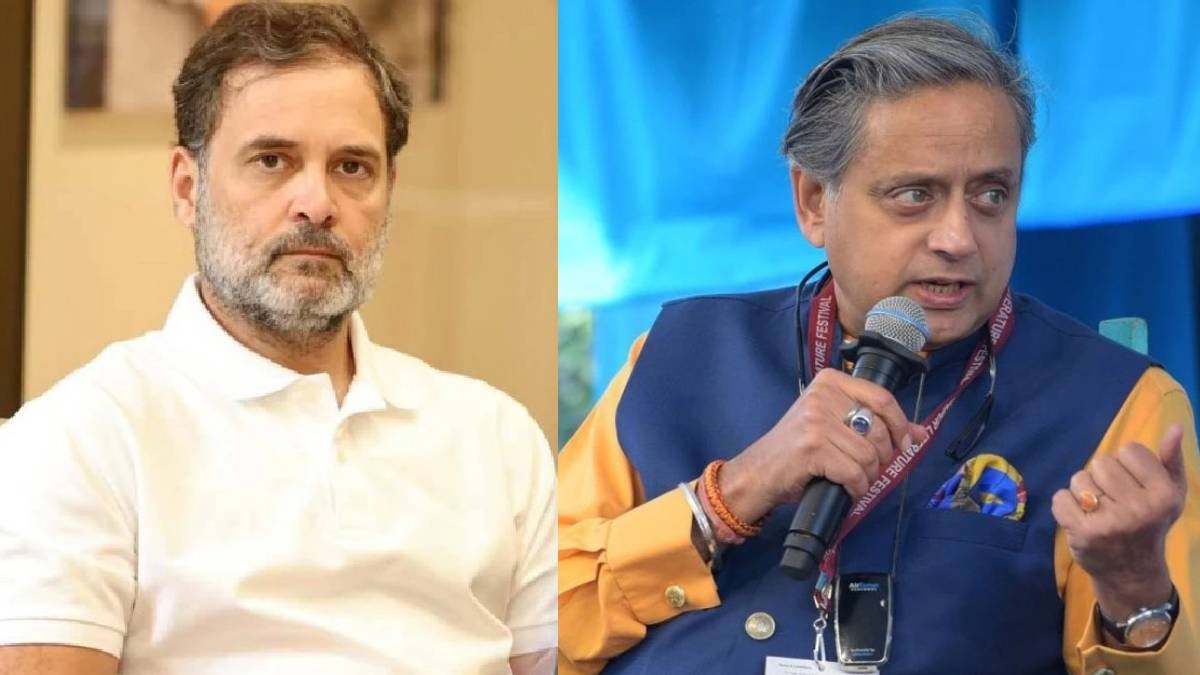
NEW DELHI — A four-day international trip to Vietnam by Leader of the Opposition Rahul Gandhi has ignited a fresh political storm, drawing sharp allegations from the ruling Bharatiya Janata Party (BJP) while eliciting a dismissive retort from senior Congress MP Shashi Tharoor.
While interacting with reporters in Kerala, Tharoor deflected inquiries regarding the opposition leader’s overseas itinerary, remarking tersely that he was “not a travel agent” and defending individual schedules amid ongoing national protests.
Key Takeaways
-
Tharoor’s Deflection: Asked about Rahul Gandhi’s foreign travel during ongoing domestic demonstrations, Congress MP Shashi Tharoor declined to comment, stating he manages his own parliamentary responsibilities rather than travel itineraries.
-
BJP Allegations of Vacationing: Ruling party leaders criticized the trip, claiming the opposition leader departed for a leisure tour after orchestrating protests over electoral administration.
-
Severe Accusations from Ruling Bloc: BJP spokesperson Sambit Patra alleged that the foreign tour involved clandestine meetings aimed at orchestrating political instability, while other party officials questioned the timing of the journey.
-
Congress Defense: Defending the trip, Congress leader Sandeep Dikshit asserted that the opposition leader maintains active global intellectual engagements, academic interactions, and international media outreach.
Ruling Party Attacks and Allegations of Outside Interference
The timing of the Vietnam visit—occurring concurrently with demonstrations targeting Chief Election Commissioner Gyanesh Kumar over voter roll revisions—drew intensified scrutiny from the ruling coalition.
Senior BJP figures launched scathing verbal attacks, accusing the opposition leadership of seeking external assistance to destabilize domestic governance:
“Their master, their kingpin, Rahul Gandhi went abroad to take coaching classes from George Soros and company on how to destroy India, how to bring about a regime change… The focus now is on what needs to be done and how to advance this entire agenda, so that India may be left in a state of ruin.”
Additional party spokespersons questioned whether the journey served as a break from domestic political friction or a coordination session with international critics of the administration.
Congressional Counter-Offensive
In response, opposition defenders dismissed the ruling party’s claims as manufactured political distractions, emphasizing that international outreach forms a legitimate and essential component of modern political leadership.
Highlighting ongoing university lectures, intellectual exchanges, and public forums abroad, party representatives contrasted these engagements with official communications, asserting that transparent global outreach strengthens democratic dialogue rather than undermining national interests.