



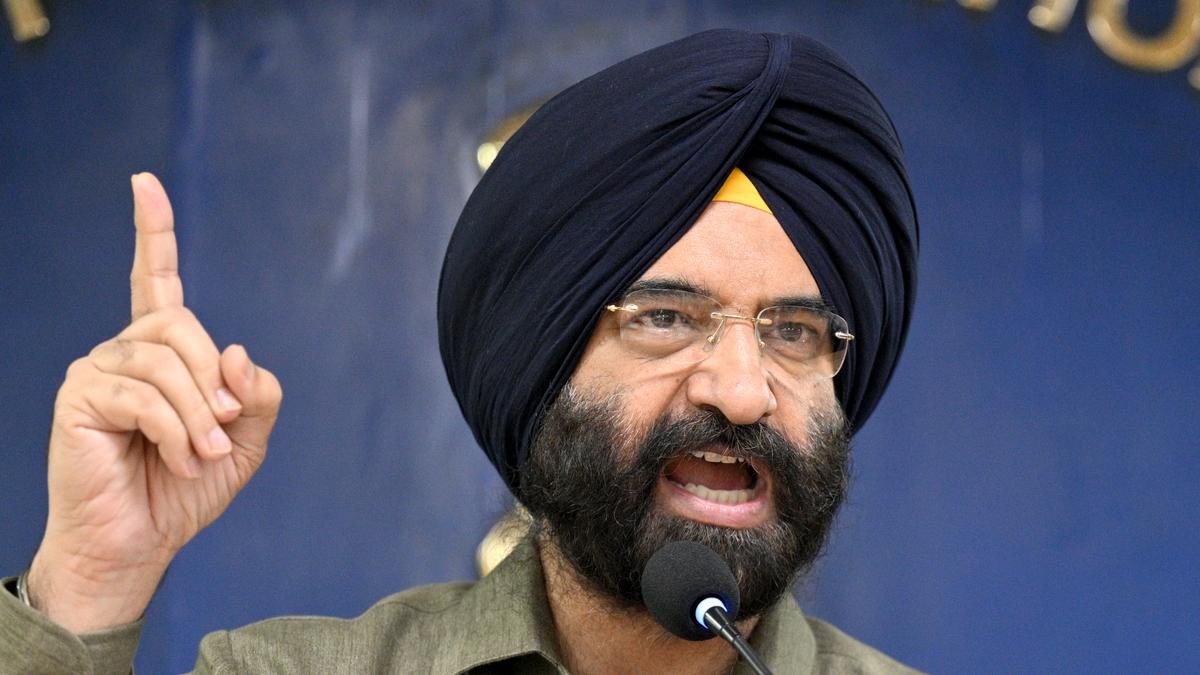
NEW DELHI — Delhi Environment Minister Manjinder Singh Sirsa asserted on Monday, November 23, 2026, that 60 percent of the Yamuna has been cleaned to drinkable standards and estimated that the entire river will be cleaned by 2029 or 2030.
Speaking in New Delhi at the launch of Uber’s “One Less Car” report, Sirsa credited two years of efforts backed by Delhi Chief Minister Rekha Gupta and the Union government, explaining that work started at one section of the river and is progressing toward the rest. He stated that sewage treatment plants (STPs) are being utilized to treat wastewater entering via drains and added that 60 percent of Delhi’s 25-year accumulated legacy waste has been removed in under two years.
Earlier Supreme Court Findings on the River
Sirsa’s assessment stands in contrast to recent observations made by the Supreme Court of India on Yamuna pollution:
-
Source Control and STPs: In an order passed on November 4, 2026, a bench of Justices Manoj Misra and Manmohan stated that pollution in the Yamuna has increased despite heavy spending, adding that constructing more sewage treatment plants is not enough on its own unless industrial waste and untreated sewage are stopped at their source.
-
Drain Discharge and CPCB Oversight: The bench observed that civic governance lapses along the river’s banks show up in the 520 drains carrying wastewater into the Yamuna, and instructed the Central Pollution Control Board (CPCB) to monitor water quality at entry and exit points across states, union territories, and districts.
Air Pollution Measures and Transport Factors
On air quality, Sirsa stressed that clean air requires broader citizen participation and highlighted several contributing factors and restrictions:
-
Vehicles and Delivery Traffic: He said tackling vehicular emissions is a shared task, pointing out that moving tires on electric vehicles still kick up dust and that delivery riders and vehicles linked to cloud kitchens contribute to traffic and pollution.
-
BS-VI Restrictions and Seasonal Trends: Sirsa noted that vehicles below Bharat Stage-VI emission norms—including buses and heavy vehicles—are barred from entering Delhi from nearby National Capital Region areas, while claiming that October and the first half of November recorded more cleaner days than earlier years.