



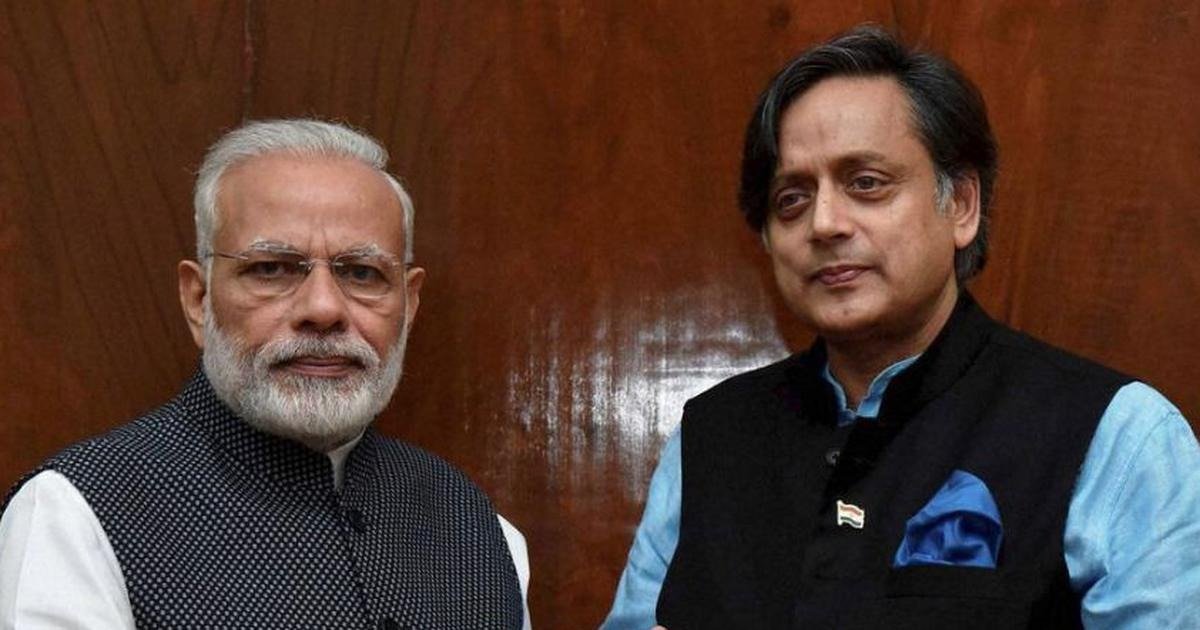
NEW DELHI — Congress Member of Parliament Shashi Tharoor backed Prime Minister Narendra Modi’s criticism of corporate India over job generation and pay scales, while taking aim at the Central government on graduate unemployment, red tape, and corruption.
Speaking with ANI on Monday, November 23, 2026, the Thiruvananthapuram MP commented on Modi’s address at the FICCI annual general meeting, where the Prime Minister asked whether businesses had matched government tax cuts and policy backing with expanded hiring and better salaries. Tharoor termed Modi’s remark a “reality,” adding that companies cannot readily be exonerated from that critique.
Concerns Over Graduate Jobs and Policy Execution
Even as he aligned with Modi on corporate accountability regarding wages and employment, Tharoor argued that responsibility cannot simply be shifted onto the private sector and highlighted mounting pressure on educated job seekers:
-
Employment Pressures on Graduates: Pushing back against reports of rising salaried employment and compensation, Tharoor said feedback from the ground points to difficult job prospects—even for graduates of premier institutes such as the Indian Institutes of Technology (IITs)—and warned of steep unemployment among college graduates.
-
Regulatory Hurdles and Corruption: Asserting that the economy requires structural and policy improvements rather than blame-shifting between the government and industry, Tharoor contended that regulatory burdens persist and alleged that corruption has grown worse, targeting the government’s anti-corruption slogan.
Key Points From PM Modi’s FICCI Address
Tharoor’s remarks followed Modi’s speech to industry representatives at the FICCI annual general meeting, where the Prime Minister cited corporate tax reductions, income tax relief, simplified compliance, and free trade agreements (FTAs), questioning whether firms had passed those benefits on through more jobs and higher pay.
Modi also urged domestic manufacturers to close the divide between products sold locally and superior “export quality” goods, saying Indian consumers deserve high quality.