



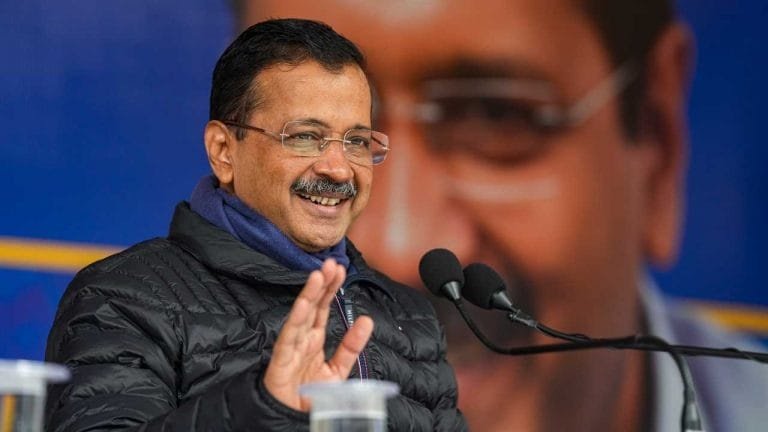
CHANDIGARH: In a major political development ahead of the early 2027 assembly elections, the ruling Aam Aadmi Party (AAP) in Punjab registered a thumping victory in the state’s civic body polls. Out of the 1,765 wards counted so far from the May 26 elections, AAP won an impressive 862 wards, solidifying its grassroots dominance across 102 municipal bodies.
The high-stakes elections, which covered eight municipal corporations, 75 municipal councils, and 19 nagar panchayats, recorded an overall voter turnout of 63.94%.
Final Tally and Party-Wise Performance
While AAP emerged as the clear frontrunner, the opposition put up fragmented resistance across the 1,977 total wards that went to the polls:
-
Aam Aadmi Party (AAP): Secured 862 seats, demonstrating a sweeping mandate across the state. In Chief Minister Bhagwant Mann’s home constituency of Dhuri, the party captured a near-unanimous 20 out of 21 seats.
-
Indian National Congress: Finished a distant second nationally by capturing 348 seats.
-
Independents: Performed strongly to take the third spot with 242 wards.
-
Shiromani Akali Dal (SAD): Managed to win 169 wards, falling behind independent candidates.
-
Bharatiya Janata Party (BJP) & BSP: The BJP secured 138 wards, while the BSP managed to win just six.
Key Municipal Corporation Highlights
The battle for the key urban centers showcased varied localized mandate patterns across the state’s premier corporations:
-
Barnala: AAP registered a dominant performance, capturing 36 out of 50 total wards, compared to seven for the BJP, five for Independents, and two for the Congress.
-
Pathankot: A fierce triangular contest ended with the Congress emerging as the single largest party with 10 seats, followed by the BJP at nine, and AAP at five.
-
Moga & Bathinda: AAP secured decisive leads, winning 29 seats in Moga (crossing the majority threshold of 26 to elect a Mayor) and 14 out of 21 seats in Bathinda.
Electorate Dynamics and Turnout Trends
According to data compiled by the State Election Commission, over 7,554 candidates were in the fray across different urban local bodies. Tiered voting trends revealed that smaller urban centers saw the highest democratic participation:
| Urban Body Category | Total Electors | Votes Polled | Voter Turnout (%) |
| Nagar Panchayats | 1.41 Lakh | 1.07 Lakh | 76.18% |
| Municipal Councils | 22.87 Lakh | 14.88 Lakh | 65.06% |
| Municipal Corporations | 10.71 Lakh | 6.41 Lakh | 59.91% |
Data Source: Punjab State Election Commission (May 2026)
Political Reactions and Allegations
Elated by the sweeping mandate, senior AAP leader Manish Sisodia thanked the voters for reposing faith in Arvind Kejriwal and CM Bhagwant Mann. Sisodia launched a scathing attack on the BJP, claiming that 1,142 of its candidates forfeited their security deposits and stating that “ED politics” would not work in Punjab.
On the other hand, State Congress President Raja Warring defended his party’s performance, particularly praising its showing in the major corporations of Patiala, Ludhiana, Amritsar, and Jalandhar. Warring commended Congress workers for fighting bravely against the ruling party, which he alleged had heavily abused power and misused official state machinery throughout the election process.
Despite tight security during the paper ballot voting process, polling day was marred by isolated clashes involving rival party supporters and scattered allegations of booth capturing.