



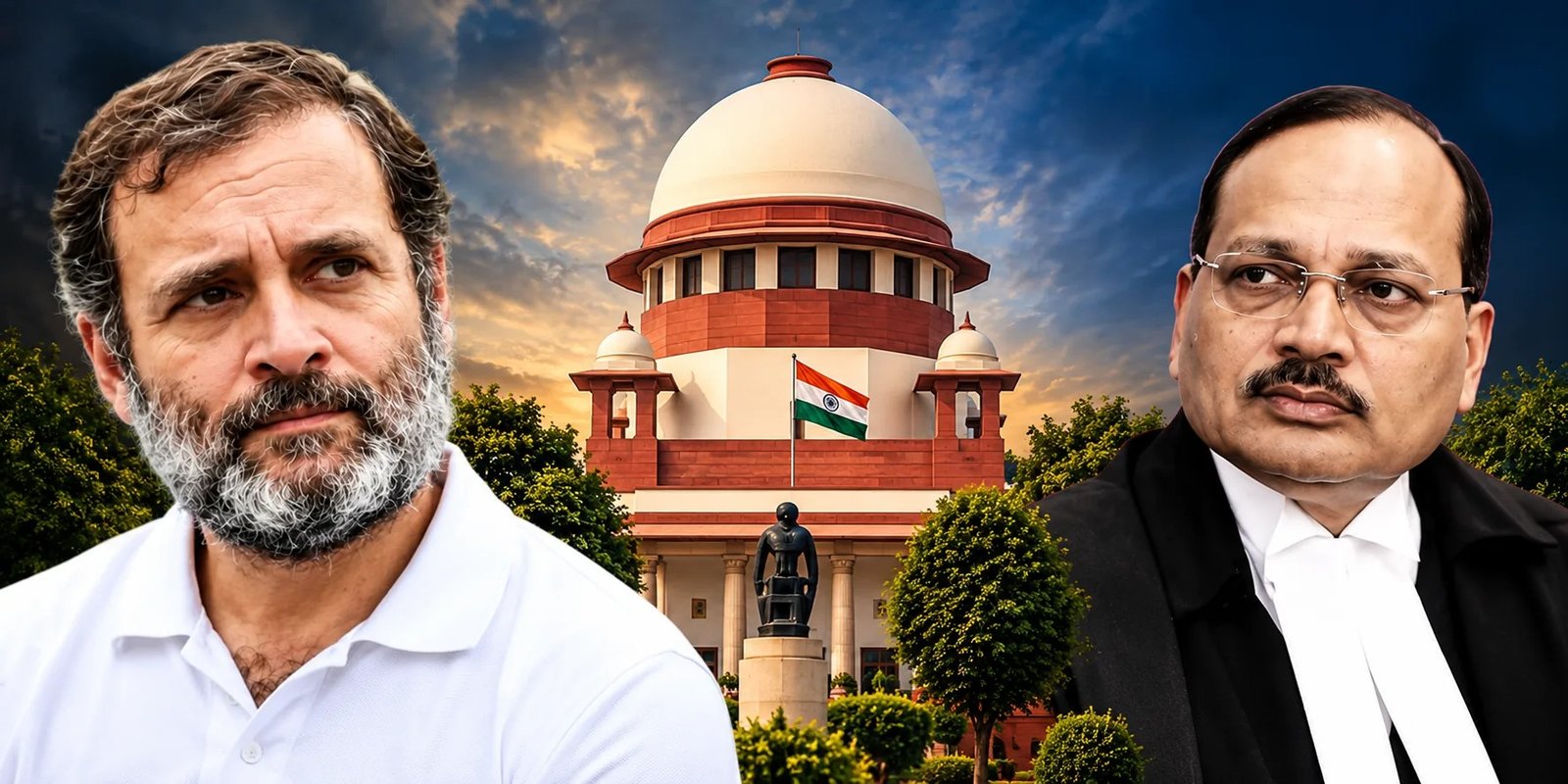
NEW DELHI — In a firm reaffirmation of judicial protocol, Chief Justice of India Surya Kant formally declined a request from opposition leaders for an administrative-level meeting to submit a memorandum concerning alleged electoral irregularities.
As leaders of the united INDIA bloc converge on New Delhi to press for institutional accountability, the apex court’s office communicated that grievances must be channeled through formal judicial petitions rather than executive consultations, citing the sub-judice nature of the core claims and the constitutional separation of powers.
Key Takeaways
-
Meeting Request Declined: Chief Justice Surya Kant turned down an administrative meeting with opposition representatives, emphasizing that the judiciary evaluates matters solely through judicial proceedings.
-
Sub-Judice Status Cited: The top court noted that petitions concerning election oversight and recent security clampdowns are already active before the bench, rendering informal delegations inappropriate.
-
March Set to Proceed: Despite the judicial boundary established by the CJI, opposition leaders led by Rahul Gandhi are pushing forward with their planned march toward the Supreme Court.
Constitutional Protocol and Judicial Boundaries
The request for a delegation meeting—initiated by opposition figures including Leader of the Opposition in the Lok Sabha Rahul Gandhi and Congress President Mallikarjun Kharge—was met with a reasoned response from the CJI’s office.
Sources indicate that the Chief Justice underscored that the judiciary possesses no administrative mandate to entertain political delegations outside formal litigation channels. Stressing that the Supreme Court’s doors remain open around the clock for the protection of fundamental rights on its judicial side, the CJI maintained that meeting political bodies on active disputes would blur the separation of powers.
Escalating Opposition Campaign and Security Standoffs
The alliance’s latest maneuver is part of a broader, aggressive push demanding the resignation of Chief Election Commissioner Gyanesh Kumar, the annulment of the 2023 statutory immunity law for election commissioners, the suspension of the Special Intensive Revision (SIR) of voter rolls, and a return to paper ballots.
While ruling party leaders criticized the opposition’s approach, pointing out that political outcomes are decided by elections rather than administrative appeals to the judiciary, security agencies across the national capital remain on high alert. Ahead of the scheduled march, authorities implemented targeted transit restrictions, closing multiple Delhi Metro stations as the Supreme Court prepares to hear a cluster of petitions addressing the weekend’s mass detentions and public order measures.