



NEW DELHI — A significant political discussion has emerged between the Bharatiya Janata Party (BJP) and the Indian National Congress following the Congress Working Committee’s (CWC) decision to maintain its 1937 resolution regarding the singing of the first two stanzas of Vande Mataram at party gatherings.
The BJP expressed strong criticism regarding the decision, framing the party’s choice through the lens of historical political comparisons to the pre-independence era.
The Historical Context and CWC Stand
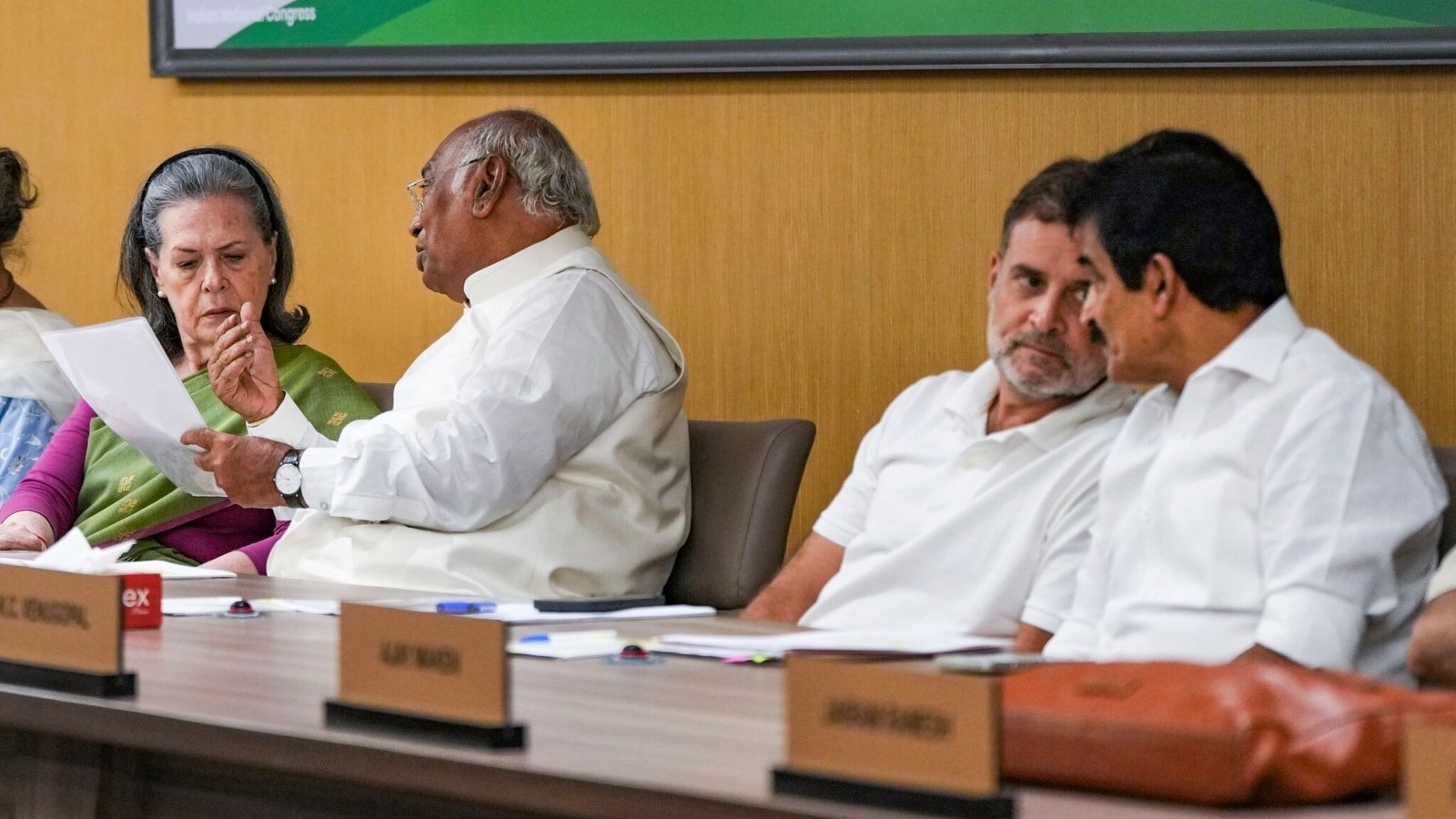
During a meeting chaired by Congress President Mallikarjun Kharge at the party’s headquarters, the CWC confirmed that its events would continue adhering to the policy established in October 1937.
AICC General Secretary K.C. Venugopal noted that the 1937 decision was adopted by prominent historical figures including Mahatma Gandhi, Jawaharlal Nehru, Rabindranath Tagore, Sardar Vallabhbhai Patel, and Subhas Chandra Bose.
The resolution originally followed consultations with Tagore, who advised reciting the initial two stanzas for public functions. The leadership of the time highlighted that while the opening verses focus on praising the motherland, subsequent stanzas contain distinct imagery that historical figures considered within the context of a multi-faith society.
Congress Chief Mallikarjun Kharge also noted that leaders across political lines, including former Prime Minister Atal Bihari Vajpayee, had attended events in past decades where the two-stanza rendition was performed.
Responses and Political Reactions
Responding to the decision, BJP representatives raised concerns regarding national traditions and protocols. BJP Working President Nitin Nabin and National Spokesperson Sudhanshu Trivedi publicly questioned the decision’s alignment with national legislative measures concerning public protocol for the National Song.
In response to the criticism, representatives from the Congress, including AICC General Secretary Jairam Ramesh, stated that the focus on the resolution serves as a narrative shift from ongoing public policy debates and socio-economic matters.
With both parties maintaining their respective positions, the historical and cultural discussion surrounding Vande Mataram remains a prominent feature of national public discourse.