



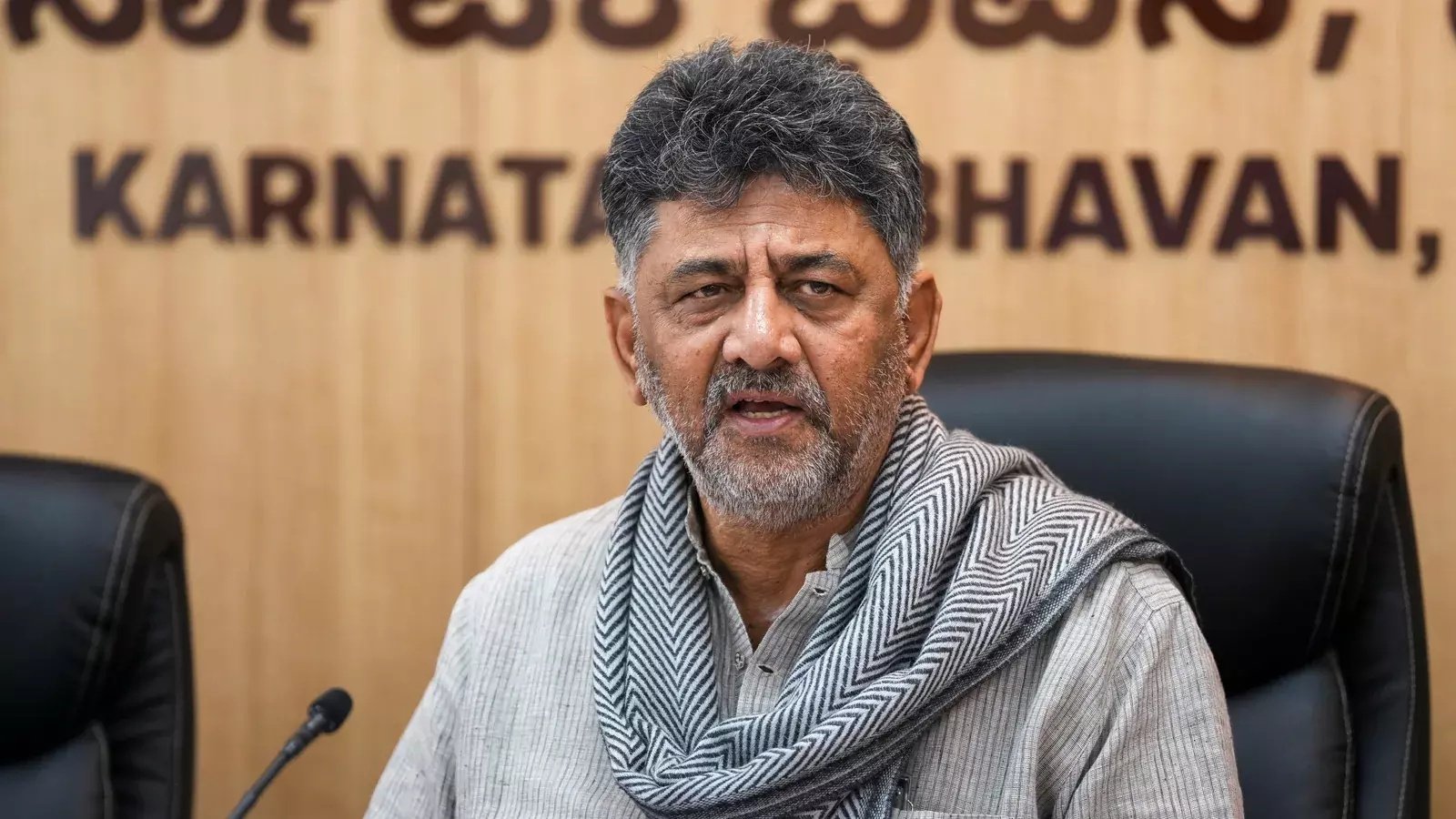
BENGALURU — In a major development ahead of the comprehensive state-wide Special Intensive Revision (SIR) of electoral rolls, Karnataka Chief Minister DK Shivakumar has issued a strong warning to citizens: ensuring inclusion in the voter list is a strict prerequisite for retaining state-sponsored welfare benefits.
The house-to-house enumeration exercise, orchestrated by the Election Commission, kicked off on June 30, 2026, and is scheduled to continue through July 29, 2026.
CM Connects Voting Rights to Social Welfare
Linking democratic participation directly to state welfare infrastructure, the Chief Minister urged citizens to proactively coordinate with booth officials. Shivakumar pointed to similar cross-verification strategies deployed in other regions to weed out ghost beneficiaries.
“The right to vote is the right to live. In West Bengal, an order has been issued to verify and delete all ineligible ration beneficiaries based on SIR. Similar measures are being taken by other states. If you lose the right to vote, you’ll lose government benefits.” — DK Shivakumar, Chief Minister of Karnataka
To streamline residential proof during this intensive tracking phase, the state government simultaneously announced the rollout of Permanent Residential Certificates. Issued by the Revenue Department, citizens can secure these certificates online via the Seva Sindhu portal or offline across citizen service networks like Atal Jana Snehi Kendras (Nadakacheris), Bengaluru One, Karnataka One, and Grama One.
Scale of the Special Intensive Revision
Karnataka Chief Electoral Officer (CEO) Anbukumar confirmed that the operation is one of the largest localized administrative audits in the state’s history, targeting a vast demographic footprint of over 5.5 crore electors.
To manage this massive state-wide rollout, the poll panel has deployed an extensive network of field personnel:
-
On-Ground Fleet: 59,050 trained Booth Level Officers (BLOs) deployed for doorstep visits.
-
Supervisory Layer: 7,556 BLO Supervisors along with 224 Electoral Registration Officers and 336 Assistant Electoral Registration Officers managing regional logistics.
-
Party Oversight: Over 1.1 lakh Booth Level Agents appointed by various political parties have been trained to ensure bipartisan transparency.
On-Ground Protocol: House Marking and Verification
The state’s election apparatus has already distributed pre-printed Enumeration Forms to field staff matching the electoral roll data frozen as of June 16, 2026. To maintain transparency and track field progress, the poll panel has instituted a strict physical marking protocol for houses visited by BLOs.
When a BLO verifies a household and distributes the form, the house will be marked with a violet square sticker. In cases where the house is locked or the resident is absent, a red round sticker will be applied, requiring the officer to make up to three distinct follow-up visits to collect the completed data.
The CEO clarified that no physical documents will be collected during this initial doorstep enumeration phase. Citizens are simply required to check their pre-printed data, make necessary corrections, sign the document, and return it to the visiting officer.
Following the completion of the physical field tracking, the draft electoral roll will be officially published on August 5, 2026. A month-long window for filing formal claims and objections will remain open until September 4, paving the way for the publication of the definitive, final electoral roll on October 7, 2026.