



New Delhi | July 30, 2026
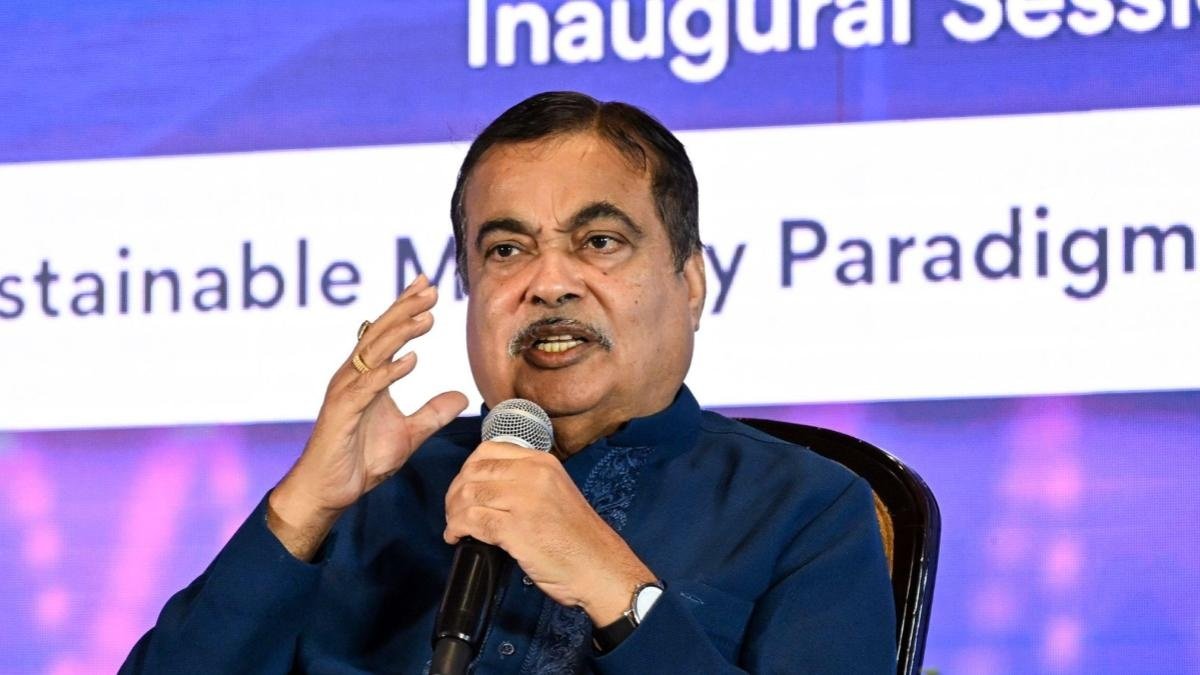
Addressing parliamentary inquiries regarding ethanol transition, Union Minister for Road Transport and Highways Nitin Gadkari confirmed in the Rajya Sabha that petrol blended with 20% ethanol (E20) requires zero engine modifications across current two-wheeler and four-wheeler fleets.
The Minister noted that joint empirical evaluations by ARAI, SIAM, IIP Dehradun, and Indian Oil Corporation demonstrated stable engine performance, drivability, and material safety. The only technical recommendation applies to older BS-III petrol vehicles manufactured between April 2005 and 2016, where routine replacement of minor rubber gaskets and seals during regular servicing will address long-term wear.
Key Technical & Strategic Takeaways
-
Zero Engine Redesign: Comprehensive testing confirms E20 operates safely without needing structural modifications to standard internal combustion engines.
-
Routine Component Upgrades: For BS-III vehicles built prior to 2016, minor rubber parts and fuel-line gaskets can be periodically replaced during routine oil and service cycles.
-
Efficiency Context: Fuel economy fluctuates due to driving conditions and vehicle maintenance rather than being isolated to E20 fuel properties.
-
National Roadmap: The phased rollout of the Ethanol Blended Petrol (EBP) Programme directly aligns with the inter-ministerial roadmap published by NITI Aayog to reduce fossil fuel imports.
Policy Framework At A Glance
-
Union Ministry: Ministry of Road Transport and Highways (MoRTH)
-
Focus Area: E20 Ethanol-Blended Petrol Integration & Older Vehicle Compatibility
-
Target Cohort: BS-III Petrol Vehicles (Manufactured 2005–2016)
-
Action Required: Minor rubber seal replacements during standard scheduled maintenance
-
Testing Bodies: ARAI, SIAM, IIP Dehradun, and Indian Oil Corporation (IOCL)