



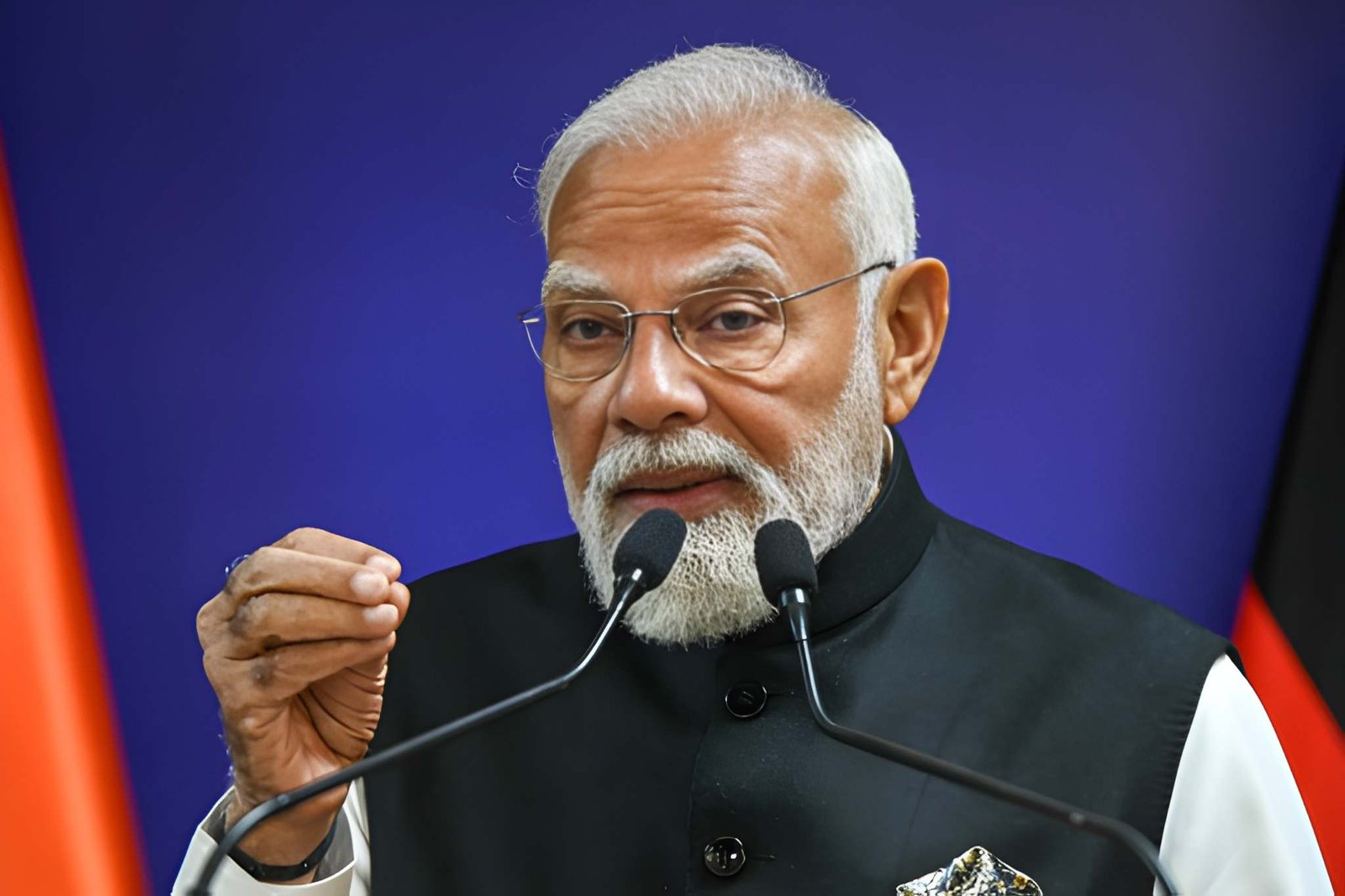
NEW DELHI — Capitalizing on India’s standout 7.8% GDP growth in the April–June quarter, Prime Minister Narendra Modi has called on citizens to adopt strategic spending habits—specifically curtailing overseas holidays, foreign destination weddings, and non-essential gold accumulation—to insulate the national economy from global headwinds.
Addressing the country from Kyrgyzstan, the Prime Minister framed consumer choices as a crucial tool for economic defense, asserting that keeping capital within national borders is essential while global markets contend with supply chain disruptions and instability caused by the war in Iran.
Shielding Economic Momentum From External Shocks
India’s 7.8% economic expansion for Q1 outperformed baseline market forecasts, reinforcing the country’s status as the world’s fastest-growing major economy. However, PM Modi emphasized that preserving this trajectory requires deliberate action from citizens to maintain domestic liquidity and safeguard foreign exchange reserves.
“There is news of war all around. The world is surrounded by crises and supply chains are completely disturbed,” PM Modi said. “From the Covid era in 2020 till today, stability is not visible anywhere. Despite that, India is progressing at a fast pace through the collective strength of our people.”
The Blueprint for Capital Retention
To convert economic growth into long-term stability, the Prime Minister outlined a practical framework centered on Atmanirbhar Bharat (Self-Reliant India) and the principles of Swadeshi:
-
‘Wed in India’ Initiative: Directing wedding expenditures into the domestic hospitality, logistics, and retail sectors instead of booking foreign venues.
-
Prioritizing Domestic Tourism: Redirecting international travel budgets toward local heritage, cultural, and eco-tourism destinations.
-
Restraining Gold Purchases: Limiting gold imports to minimize trade imbalance and reduce strain on national capital reserves.
These guidelines build on previous directives encouraging reduced fossil fuel consumption, wider adoption of electric vehicles, remote work where feasible, and a firm commitment to purchasing Made in India goods.
Building the Foundation for 2047
PM Modi reiterated that individual spending choices directly influence the country’s path toward becoming a Viksit Bharat (Developed India) by its centenary of independence in 2047.
He concluded that by prioritizing local products and services, the Indian public plays an active role in maintaining economic sovereignty, insulating the domestic market from global crises, and securing a prosperous future for the nation’s youth.