



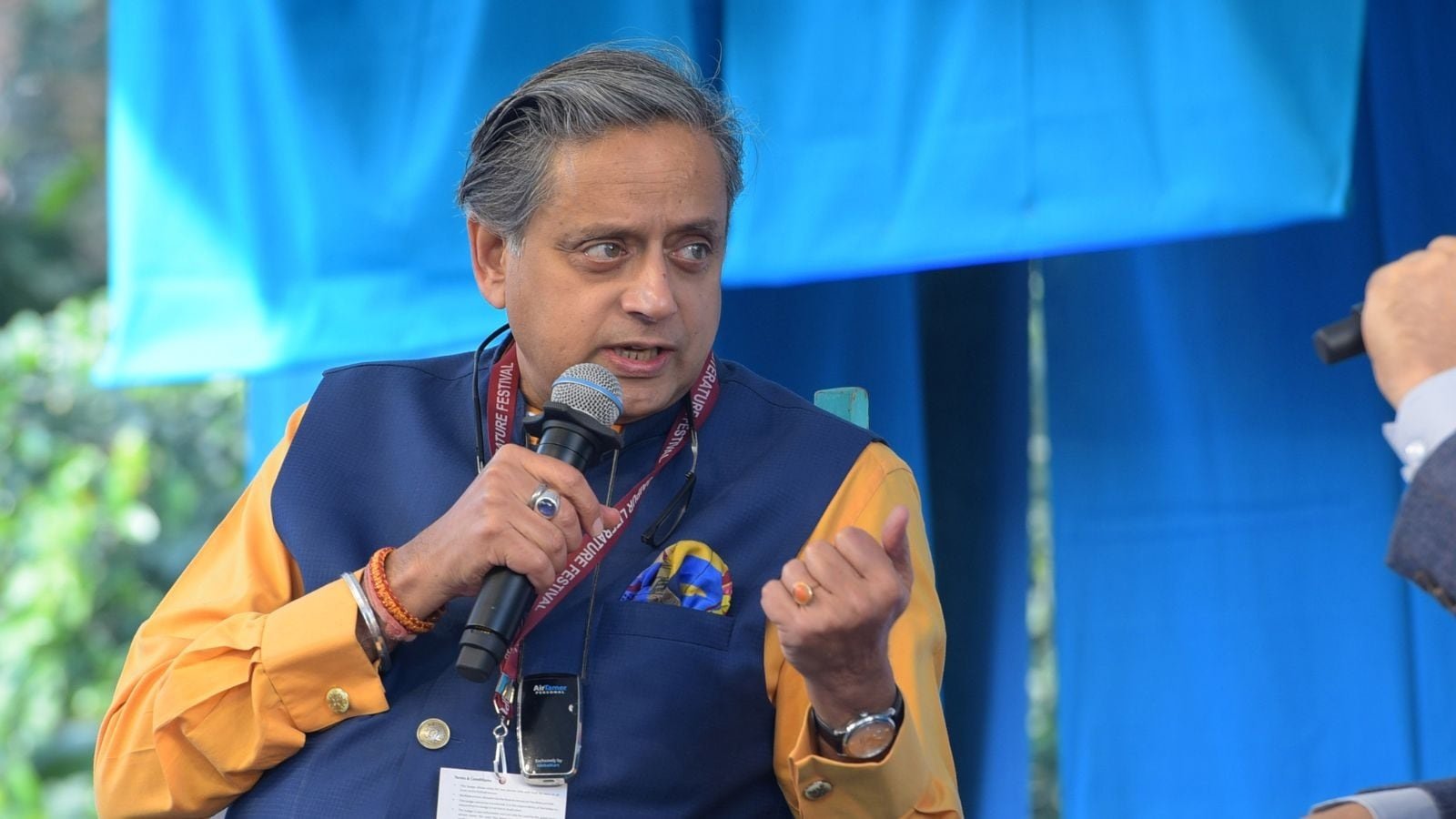
NEW DELHI: Senior Congress leader and MP Shashi Tharoor has weighed in on the raging digital controversy surrounding the Cockroach Janata Party (CJP), labeling the recent withholding of its X account in India as “disastrous and deeply unwise.” Tapping into the massive online momentum generated by the satirical outfit, Tharoor urged opposition blocks to recognize and harness this raw youth discontent.
The CJP, a rapid social media phenomenon, has crossed over 19 million followers on Instagram within less than a week, exploding past the official digital footprints of both the ruling BJP and the Indian National Congress.
Key Takeaways
-
Dissent and Satire as Democratic Outlets: Opposing the legal demand that led to the withholding of CJP’s X account (which had amassed over 200,000 followers), Tharoor emphasized that democracies inherently need safe spaces for youth anger, humor, and frustration. He called for the immediate unblocking of the account to avoid stifling free speech.
-
A Wake-Up Call for the Opposition: Tharoor explicitly advised mainstream opposition parties to “seize this opportunity,” viewing the viral movement as a clear barometer of structural youth grievances. He suggested that established parties must channel this digital energy into mainstream political discourse and electoral participation.
-
The Origin of the Movement: The Cockroach Janata Party was launched on May 16 by political communications strategist Abhijeet Dipke. It emerged as an ironic, anti-establishment response to controversial remarks attributed to Chief Justice of India Surya Kant during a court hearing, where some unemployed youths on social media were compared to “cockroaches” and “parasites.”
-
A Satirical Platform with a Real Manifesto: Self-described as the “Voice of the Lazy & Unemployed,” the CJP has struck a profound chord with Gen-Z and millennials grappling with paper leaks, systemic unemployment, and inflation. Despite its humorous tone, the group’s 5-point manifesto lays out serious systemic demands, including a ban on post-retirement Rajya Sabha seats for Chief Justices, 50% reservation for women in Parliament, and a strict 20-year ban on political turncoats.