



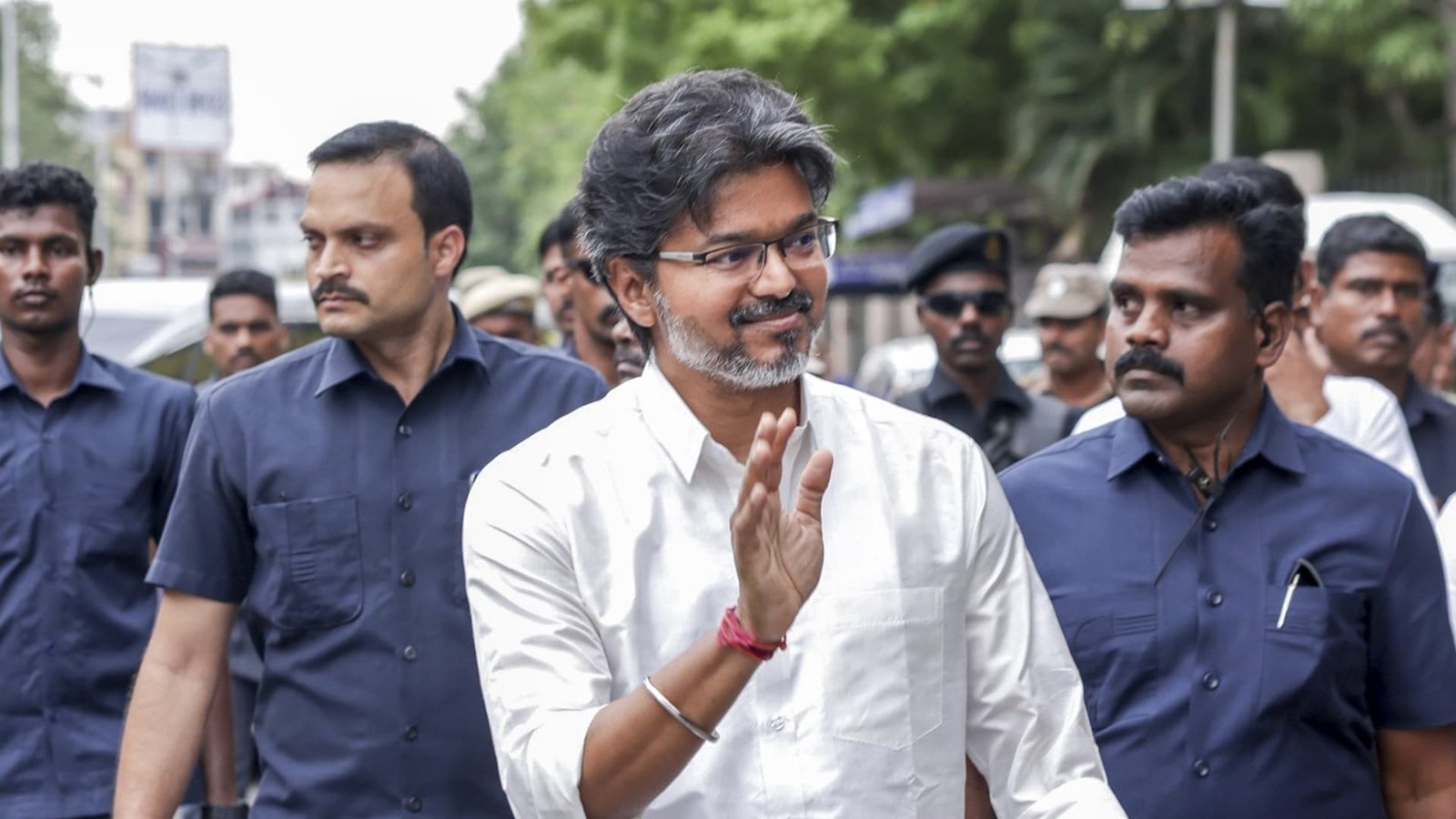
CHENNAI — In a major political move aimed at safeguarding the parliamentary weight of India’s southern states, Tamil Nadu Chief Minister C. Joseph Vijay on Wednesday introduced a landmark resolution in the State Assembly opposing the Centre’s proposed delimitation exercise and demanding a permanent cap on Lok Sabha seats at 543.
The state-sponsored resolution comes in the aftermath of the failed Constitution (131st Amendment) Bill, 2026—introduced in Parliament earlier this year to expand the Lower House to 850 seats—which collapsed after failing to achieve the required two-thirds special majority in the Lok Sabha.
Protecting Southern Voice and Demographics
The resolution contends that executing constituency seat redraws based on recent population metrics would unfairly penalize states that diligently implemented national family planning and population control policies over the past five decades.
Addressing the House, Chief Minister Vijay emphasized that progressive governance and demographic control should not result in the erosion of a state’s political influence in the federal architecture.
“Providing reservation for women is not a concession; it is a matter of social justice. The 33 per cent reservation for women must be implemented without any further delay based on existing constituencies,” CM Vijay stated on the Assembly floor.
The Assembly’s resolution outlines four core demands addressed to the Union Government:
-
Permanent Cap: Lock the total strength of the Lok Sabha permanently at the current 543 members.
-
Inter-State Freeze: Preserve the existing proportional allocation of seats across states without reduction.
-
Ratio Preservation: Maintain the established 2.2:1 ratio between population metrics and state parliamentary representation.
-
Immediate Women’s Quota: Implement the 33 per cent women’s reservation starting in the 2029 Lok Sabha elections using the existing 543 seat map.
Uncoupling Women’s Quotas from Delimitation
A key thrust of the resolution is the demand to unlink the 33 per cent Women’s Reservation from the contentious delimitation process. Highlighting that female voter turnout in Tamil Nadu has consistently outpaced male turnout, Chief Minister Vijay argued that delaying the gender quota until a fresh census and seat redraw takes place denies women their fundamental democratic rights.
Echoing the rationale behind the resolution, DMK spokesperson TKS Elangovan noted that the demand reflects a long-standing Dravidian consensus. He recalled how previous freezes on constituency seat allocation helped protect Tamil Nadu’s current tally of 39 Lok Sabha seats from being diminished during earlier rounds of seat reorganization.
With political consensus building across regional parties against seat re-allocation based strictly on population size, the resolution sets the stage for a broader debate on federalism and demographic equity ahead of the 2029 general elections.