



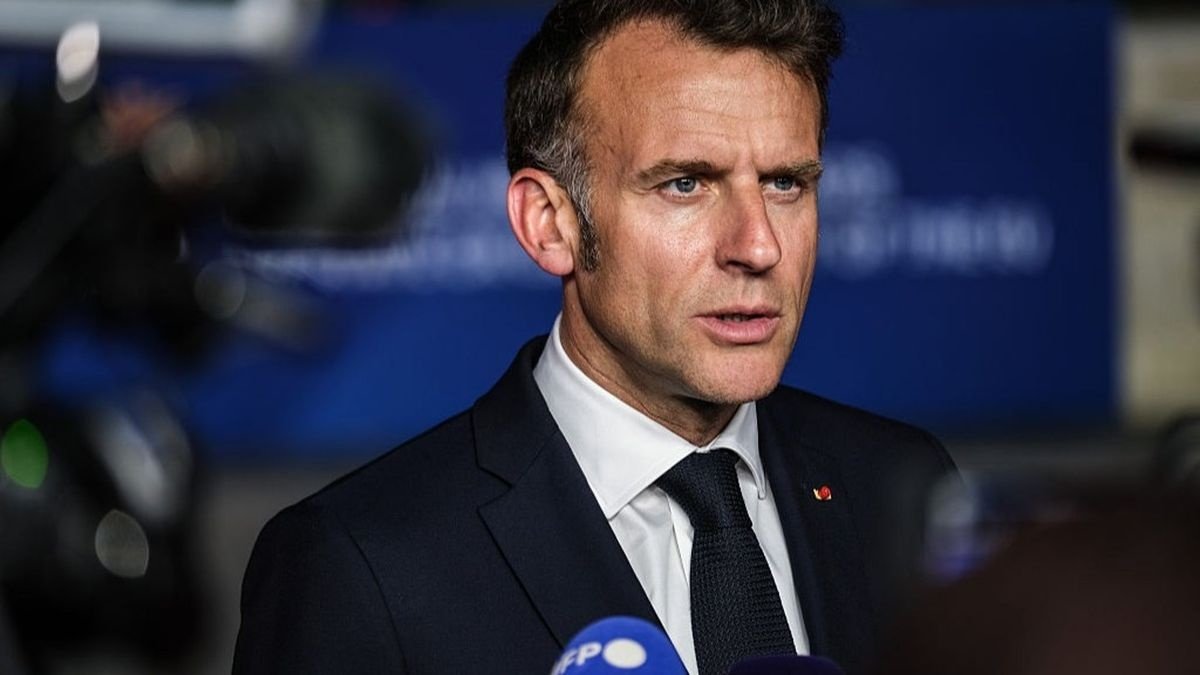
WASHINGTON/PARIS – A playful diplomatic exchange has erupted on the global stage after King Charles III used a state dinner at the Oval Office to deliver a witty retort to U.S. President Donald Trump. French President Emmanuel Macron joined the fray shortly after, adding his own touch of Gallic humor to the transatlantic banter.
The linguistic sparring began when King Charles addressed Trump’s previous claims regarding American military intervention in Europe.
The Joke: A History Lesson
During the dinner, the British Monarch playfully referenced Trump’s frequent assertion that without the U.S., Europeans would be “speaking German.”
“Dare I say that, if it wasn’t for us, you’d be speaking French,” King Charles quipped, referencing the colonial-era struggles for North America.
The joke was met with widespread laughter, prompting President Macron to repost a clip of the speech on X (formerly Twitter) with the caption: “That would be chic!”
The Backdrop: Rising Tensions
While the exchange was light-hearted, it comes during a period of significant friction between the U.S. and its European allies:
-
The “German” Jibe: In January 2026, at the World Economic Forum in Davos, Trump told European leaders they would be speaking “German and maybe a little Japanese” if not for the U.S. victory in WWII.
-
The Iran Conflict: The banter follows sharp disagreements over the unilateral U.S.-Israel war on Iran. While Trump has pressured NATO nations to join the conflict—specifically to secure the Strait of Hormuz—France and the UK have largely declined, stating it is not their war to fight.
-
Diplomatic Efforts: Amidst Trump’s threats to withdraw from NATO, peace talks between Washington and Tehran are currently being facilitated by Islamabad, though a second round of direct negotiations is still pending.
Analysis
The “Chic” response from Macron highlights a strategic use of humor to navigate a complex relationship with the Trump administration. By leaning into the banter, the French and British leaders are maintaining a rapport with the U.S. President even as they remain fundamentally at odds over Middle Eastern policy and the future of the Atlantic alliance.