



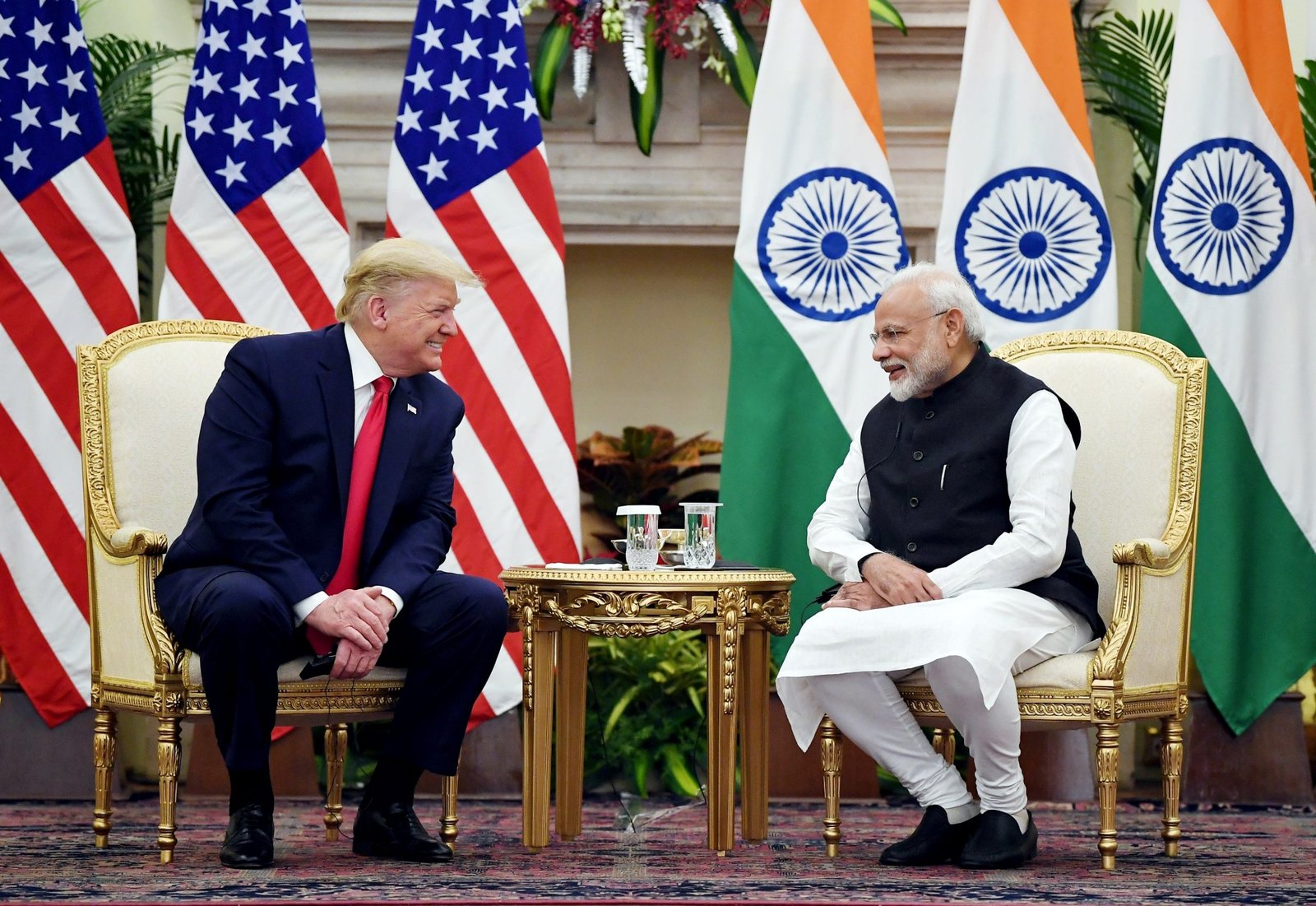
WASHINGTON — Seeking to cool escalating trade tensions between Washington and New Delhi, White House Trade Adviser Peter Navarro stated on Tuesday that US President Donald Trump and Indian Prime Minister Narendra Modi will personally resolve the dispute over potential US tariffs targeting India’s purchases of Russian oil.
Navarro’s comments follow the passage of the Lindsey O. Graham Sanctioning Russia and Iran Act of 2026 by the US Senate. Approved by an 86-11 vote, the bipartisan bill grants the US President discretionary authority to slap tariffs of up to 100 per cent on goods from the world’s top five buyers of Russian crude and natural gas—a list that prominently features India and China.
Direct Leader-to-Leader Diplomacy
Dismissing suggestions that bureaucratic friction would derail broader bilateral relations, Navarro emphasized the personal rapport between the two heads of government.
“The President and your Prime Minister have a very good working relationship. They are going to work that out amongst themselves, and it’s not for me or any gaggle to get between that,” Navarro told reporters at the White House.
While striking a more diplomatic tone regarding top-level talks, Navarro reiterated Washington’s core grievance concerning New Delhi’s energy procurement strategy following Moscow’s 2022 invasion of Ukraine.
The Russian Oil Friction
Navarro noted that prior to the 2022 conflict, India maintained minimal crude trade with Russia. However, post-invasion, Indian refiners stepped up purchases of discounted Russian crude, processing it into refined petroleum products for global export. Washington contends these revenue streams have directly aided in financing Moscow’s military operations.
“Prior to the Russian invasion of Ukraine, India was not involved in the oil trade with Russia, but afterwards it got heavily involved and was selling a lot of refined products on behalf of Russia, which helped feed the war machine,” Navarro said.
Navarro also referenced a controversial opinion piece he authored in The Financial Times criticizing India’s oil trade, claiming credit for drawing attention to the issue and claiming that adjustments in the trade dynamic followed. He acknowledged encountering heavy online backlash from Indian social media users over the op-ed, adding lightheartedly, “Don’t do that. That’s not how we resolve problems here in America.”
Strategic Stakes for New Delhi
India has consistently defended its crude purchases from Russia, maintaining that its energy decisions are anchored strictly in national energy security and market availability amid global supply volatility. The discounted Russian crude has played a vital role in keeping domestic fuel prices stable and managing inflation.
With the 100 per cent tariff bill pending further legislative steps in the US House of Representatives, the immediate focus shifts to direct communication between Trump and Modi to prevent tariff punitive measures from disrupting bilateral trade ties.