



WASHINGTON/TEHRAN – Global energy markets are in a state of upheaval as oil prices surged past the $100-per-barrel mark for the first time in nearly four years. The spike follows a week of intense conflict in the Middle East, which has effectively paralyzed one of the world’s most critical maritime chokepoints.
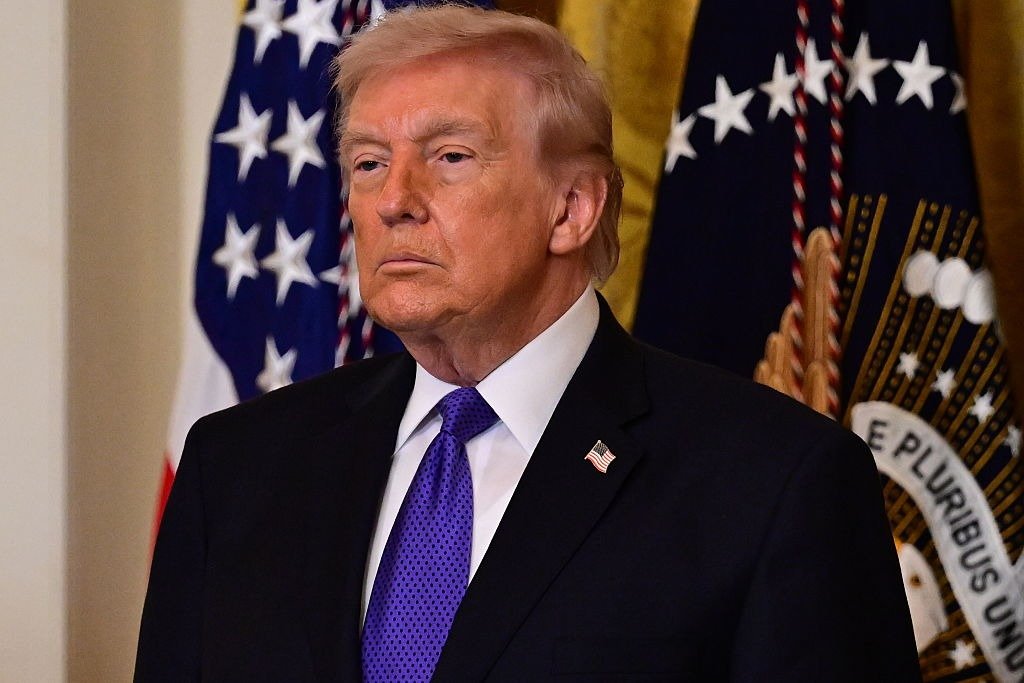
Despite the economic turbulence, President Donald Trump took to social media on Sunday to defend the military campaign, labeling the rising costs a “small price to pay” for long-term global security.
Market Turmoil and the Hormuz Deadlock
Since the outbreak of hostilities on February 28, 2026, maritime traffic through the Strait of Hormuz has slowed to a near-halt. The strait is a vital artery for the global economy, with approximately 20% of the world’s crude oil and natural gas passing through its narrow waters.
-
Price Surge: Both West Texas Intermediate (WTI) and Brent crude jumped by over 15% as markets opened, echoing the volatility seen during the early months of the 2022 Russia-Ukraine conflict.
-
Production Cuts: Gulf-based producers have begun scaling back output, while Israeli strikes on fuel depots in Tehran have sparked fears of retaliatory hits on regional energy infrastructure.
The White House Stance
President Trump maintained a defiant tone, insisting that the price hike is a temporary byproduct of a necessary mission.
“Short term oil prices… is a very small price to pay for USA, and World, Safety and Peace,” Trump stated. “ONLY FOOLS WOULD THINK DIFFERENTLY!”
U.S. Energy Secretary Chris Wright echoed this optimism, suggesting that disruptions would last “a few weeks” rather than months. Wright noted that the Western hemisphere remains well-supplied and revealed that the U.S. military may provide direct protection for tankers to resume traffic through the Strait “relatively soon.”
Geopolitical Countermeasures
To stabilize the global economy and mitigate the impact at the fuel pump—a sensitive issue ahead of the November midterm elections—the U.S. administration is exploring several levers:
-
Sanctions Relief: Treasury Secretary Scott Bessent indicated the U.S. is considering lifting more sanctions on Russian oil.
-
Strategic Approvals: The U.S. recently issued a temporary authorization for India to purchase Russian crude to offset the Middle East deficit.
-
Financial Protection: The U.S. International Development Finance Corporation has established a $20 billion reinsurance mechanism to cover risks for vessels traveling through the Strait of Hormuz.
The Iran Factor
While Iran accounts for roughly 4% of global oil production, its primary exports to China remain a target of international sanctions. Analysts warn that if the “destruction of the nuclear threat” cited by the President leads to a protracted conflict, the $100 floor for oil may become a long-term ceiling that tests the resilience of the global recovery.