



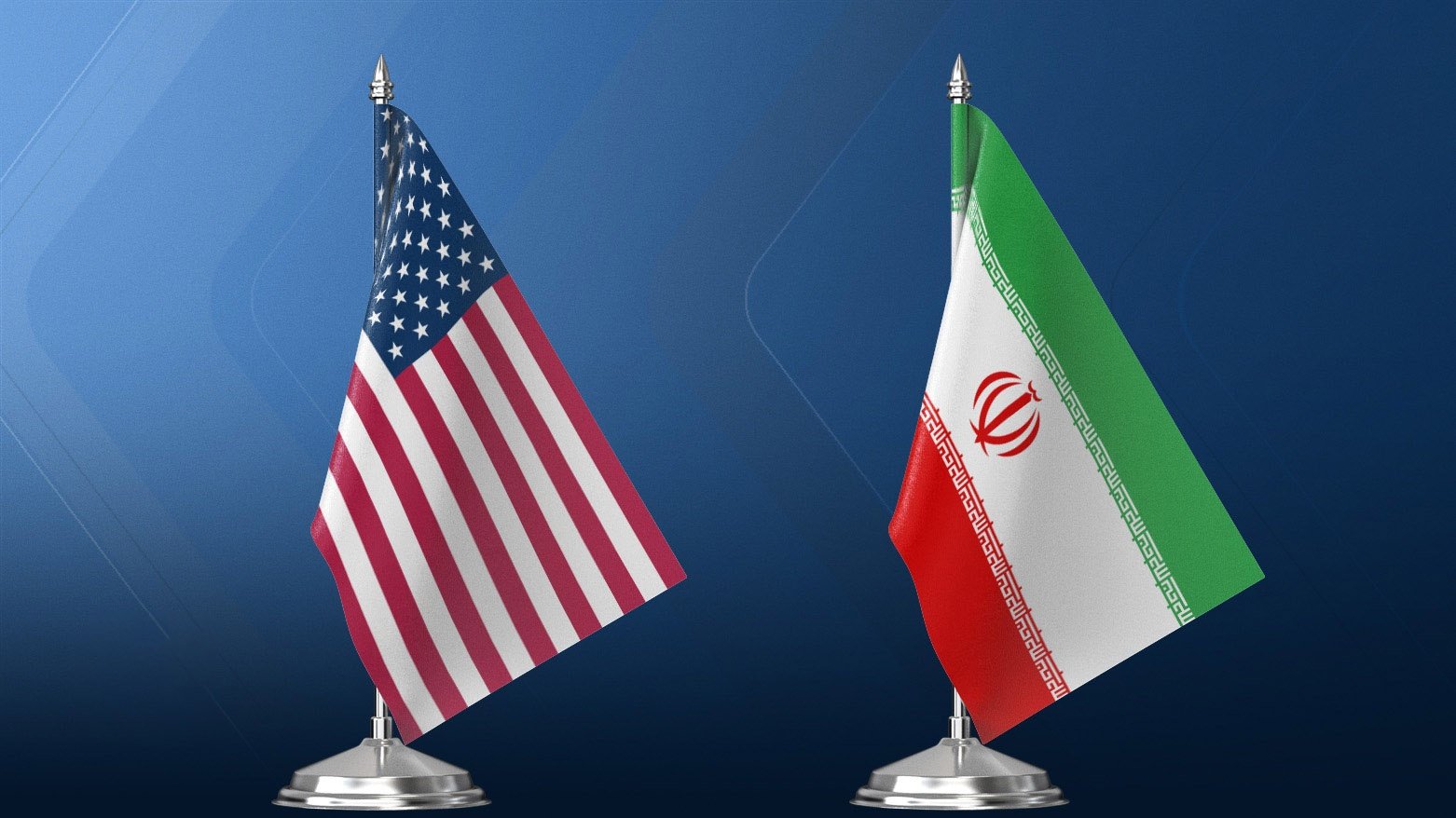
ISLAMABAD – Pakistan is bracing for a massive security operation as preparations begin for a second round of direct negotiations between the United States and Iran, scheduled for Monday, April 20, 2026.
The talks, mediated by Pakistan, follow a first round held on April 12 that ended without a breakthrough. The upcoming summit is seen as a critical opportunity to finalize a peace deal and end the regional conflict that has severely disrupted global energy markets and trade since late February.
Optimism from the White House
Speaking to reporters on Saturday, President Donald Trump expressed confidence that a deal is within reach. “The Iranians want to meet,” the President stated, adding that a meeting would likely take place over the weekend or early Monday. Trump has even suggested he might travel to Islamabad himself if a final agreement is ready for signature.
The U.S. delegation, previously led by Vice President JD Vance and special envoy Steve Witkoff, is expected to return to the table to discuss core issues, including:
-
Maritime Security: The immediate and permanent reopening of the Strait of Hormuz.
-
Nuclear Constraints: Commitments regarding Iran’s uranium enrichment.
-
Economic Relief: The potential unfreezing of Iranian assets in exchange for peace guarantees.
A City Under Lockdown
To accommodate the high-profile summit, authorities in Islamabad and Rawalpindi have activated a massive security grid. Over 10,000 security personnel, including Islamabad Police and the Federal Constabulary, are being deployed across the twin cities.
Key measures for the coming week include:
-
Traffic Restrictions: Severe limitations on vehicles entering or leaving the capital.
-
School Closures: Educational institutions may remain shut to ease congestion.
-
Market Shutdowns: Businesses near the airport and key venues are expected to close for the duration of the talks.
Residents have been advised to avoid non-essential travel as the “Islamabad Lockdown” measures, similar to those seen during the first round, take full effect.
The April 22 Deadline
The urgency of these talks is underscored by the current temporary ceasefire, which is set to expire on April 22. Iranian officials, led by Parliament Speaker Mohammad Bagher Ghalibaf, have maintained that a permanent peace is dependent on the lifting of naval blockades and regional security assurances.
With Pakistan acting as the “only mediator,” the world is watching Islamabad to see if this second round can deliver a landmark settlement to one of the most volatile conflicts of the decade.